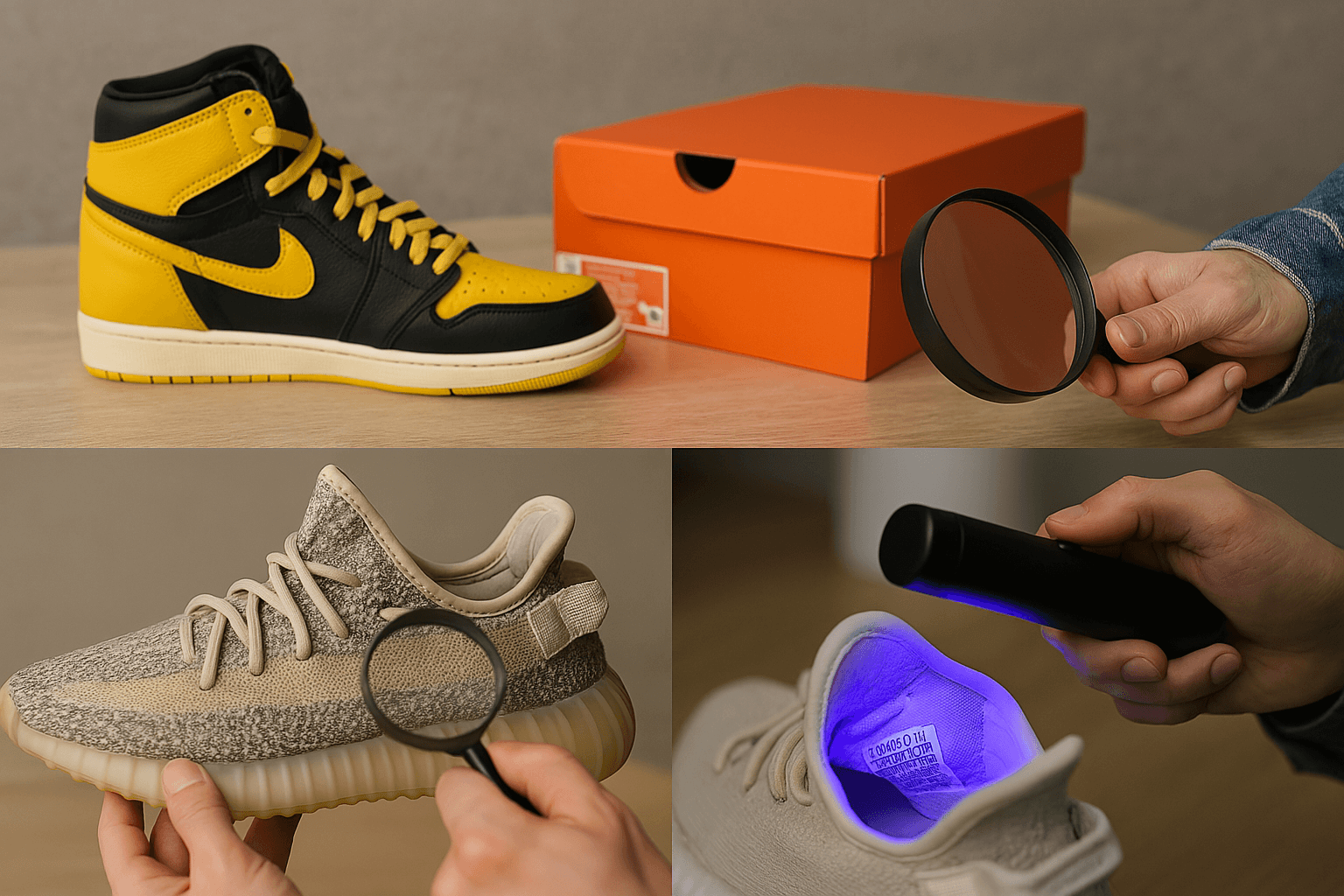
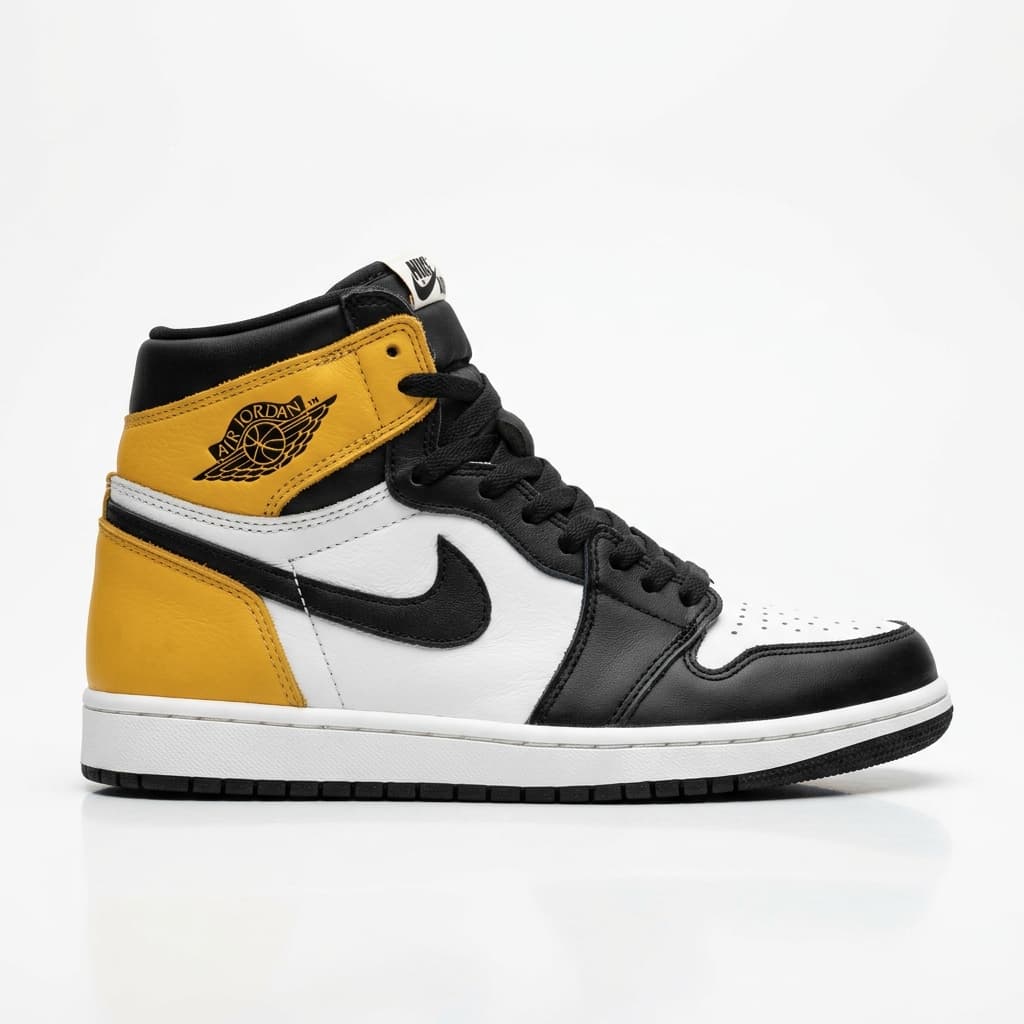
Counterfeit consumption is not merely an issue of affordability or lack of knowledge; it’s a complex psychological phenomenon. Understanding why consumers purchase counterfeit goods requires exploring deeper motivations that go beyond economics. Research has pointed to several psychological factors that influence these decisions.
Beyond Price: Motivational Factors 💡
While many assume that the primary driver of counterfeit purchases is price, a variety of motivations are at play.
Status Signaling 🏅
For many, owning luxury items is a way to signal status and project success. Research published in the Journal of Marketing Research found that social motives, such as wanting to make a certain impression on others, play a large part in whether people want counterfeit luxury brands.
Source: Wilcox, Kim and Sen, “Why Do Consumers Buy Counterfeit Luxury Brands?”, Journal of Marketing Research, 2009.
Anti-Corporate Attitudes ✊
Some consumers actively rebel against the high price points of luxury goods. Some buyers who knowingly purchase counterfeit goods say they resent the pricing strategies of luxury brands.
Situational Ethics ⚖️
Many counterfeit consumers justify their purchases through selective morality. Some people who would never shoplift may still not see buying a counterfeit luxury item as wrong.
The Counterfeit Consumer Spectrum 🌐
Consumers who buy counterfeit products generally fall into three distinct categories:
- Deception Victims: These consumers unknowingly purchase counterfeits.
- Complicit Consumers: These consumers know or strongly suspect the items they are buying are counterfeit.
- Deliberate Seekers: These individuals actively look for counterfeit products as affordable alternatives.
Psychological Impact of Authentication 🔍
Learning that a product is a counterfeit can change how a buyer feels about it. Buyers who find out often:
- Feel let down or misled.
- Feel less satisfied with the product.
- Start noticing quality issues they had previously overlooked.
Industry Response Strategies 💼
- Educational Campaigns: Educating consumers on the connections between counterfeiting and criminal organizations.
- Emphasizing Experiential Luxury: Highlight the intangible benefits of purchasing authentic items.
- Entry-Level Authentic Products: Introduce more affordable authentic options.
Understanding Consumer Motivation 💭
Understanding the psychology of counterfeit consumption is crucial for both consumers and brands. By recognizing the underlying motivations, consumers can make more informed choices.