The market for counterfeit luxury watches is more sophisticated than ever. If you're looking to verify the authenticity of a timepiece, here's how to go about it:
Start by examining the movement
Authentic watches have smoothly operating, finely crafted movements, often with intricate decorations that aren't visible to the owner. Mechanical watches should have a seamless, fluid second-hand movement, while cheap fakes often feature a jerky motion or rattling sounds.
Another key indicator is the weight and balance
Luxury timepieces are made from high-quality metals, which gives them a noticeable heft that cheap imitations can't replicate. If the watch feels unusually light, it's likely a fake.
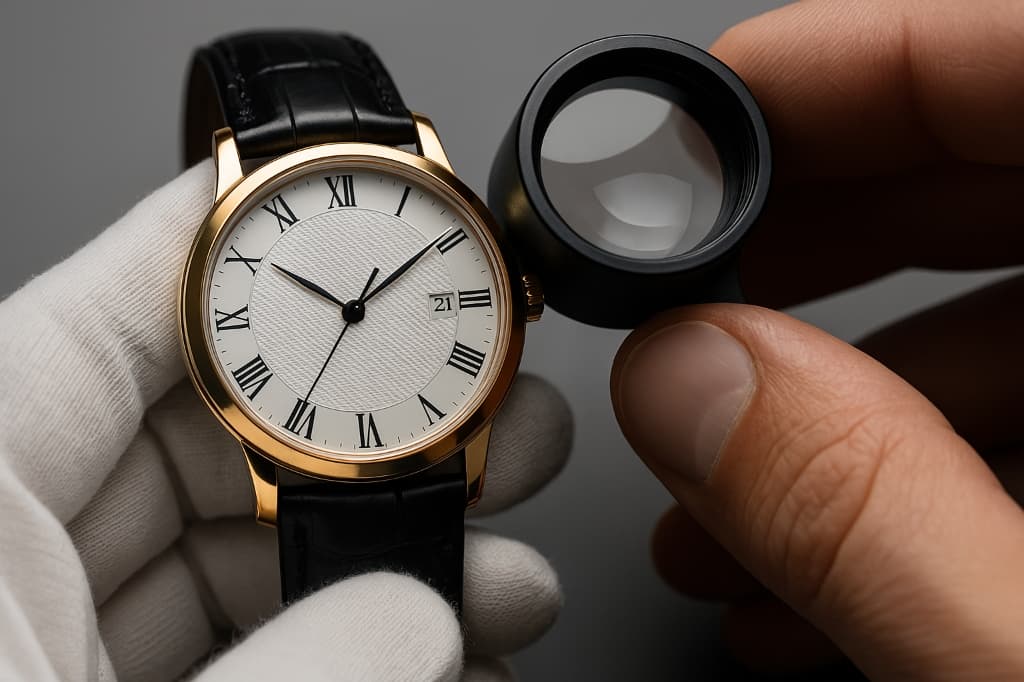
The dial also provides clues
Under magnification, authentic watches exhibit sharp, clean printing, perfectly aligned hour markers, and a clear brand logo. Fake watches often show flaws in these details.
For additional verification, check the serial number
Authentic watches have unique serial numbers that match the manufacturer’s records. These numbers are usually located in specific places, like between the lugs or on the case back.
Finally, don't overlook the documentation
Genuine luxury watches come with certificates of authenticity, warranty cards, and original receipts. Be cautious if these documents seem off or missing.