
Insights
Digital passports, NFC tags and NFTs: what they prove
More products now come with chips, QR codes and digital certificates. What these technologies can prove, where they fall short and how to check them safely.

Why brands are adding digital IDs
Brands are linking physical products to digital records so owners can check where an item came from. Luxury groups including LVMH, Prada Group and Cartier founded the Aura Blockchain Consortium in 2021 for this purpose, and the European Union is introducing digital product passports for many product groups under its rules on sustainable products.
The main technologies
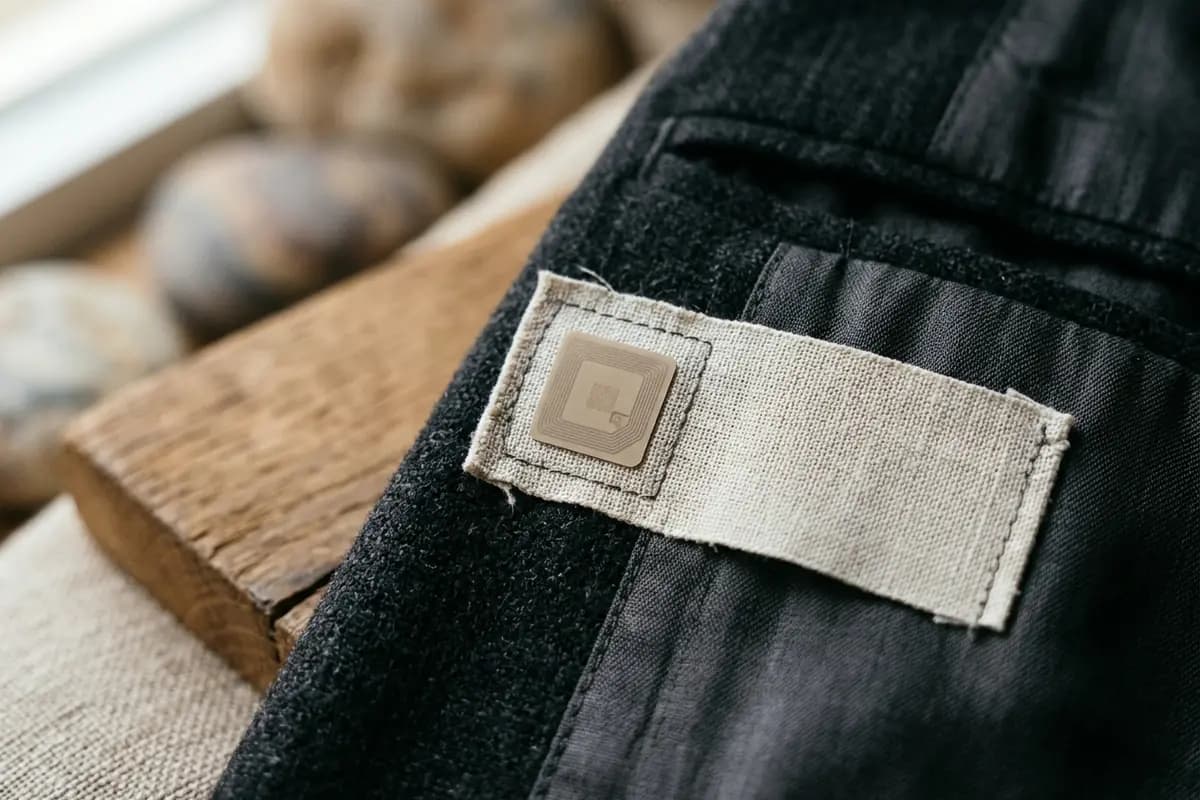
- NFC chips: a small chip, often hidden in a label or the lining, that a phone can read by touch
- QR codes: printed codes that open a page about the product
- RFID tags: radio tags mostly used for stock and supply chain tracking
- Digital twins and NFTs: a digital record on a blockchain that represents the physical item and its ownership history
What they can prove
Where they fall short
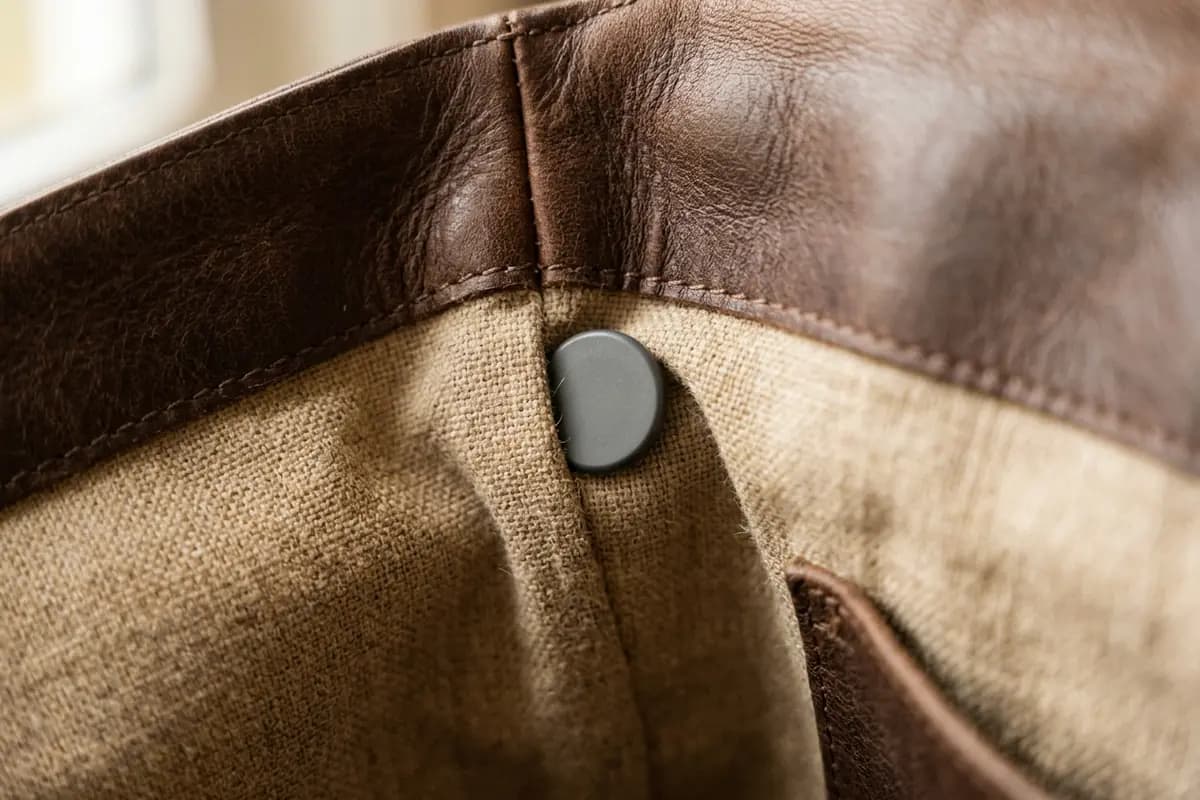
- A chip proves the chip, not the product around it: genuine tags can be removed and moved to a fake
- QR codes can be copied, or replaced with codes that open a lookalike page
- Older items and many brands have no digital ID at all
- Digital records depend on the brand's system staying online
Use digital IDs with physical checks
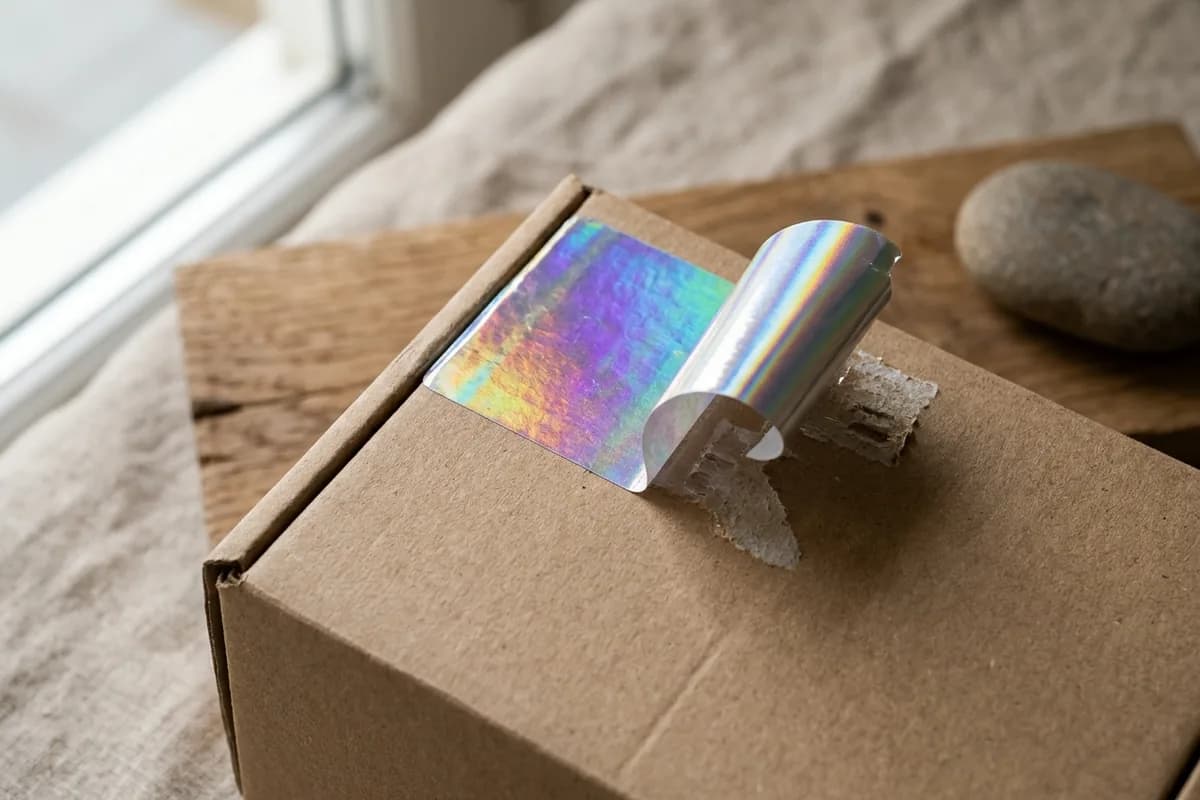
A digital ID is one strong piece of evidence, not the whole answer. Combine it with the physical details: materials, stitching, logos, serial numbers and the seller's documents. A photo-based check covers those details, and works for items that have no chip at all.
Next up

What a VerifAI check can and can't see
3 min read
Related reading

Handbags
Leather, canvas, stitching, hardware, heat stamps and codes: a practical checklist for designer bags, with brand notes for Chanel, Louis Vuitton, Hermès and Gucci.

Clothing
Brand labels, care tags, RN numbers, fabric, buttons and zips: a checklist for designer jackets, shirts, knitwear and streetwear.