Spot fakes
Buying vintage: period details, repairs and provenance
Vintage luxury needs a different eye: details change by decade, codes may be missing and honest repairs are common. How to judge a vintage piece fairly.
In short
- Brands change their logos, fonts, materials and codes over the decades.
- Many brands only started using serial numbers or date codes at some point in their history.
- Vintage items are often repaired: new zips, replaced hardware, restitched handles or a new lining.
Know the period
Brands change their logos, fonts, materials and codes over the decades. A vintage piece should match how the brand made that item at the time, not how it makes it today.
Codes may be missing
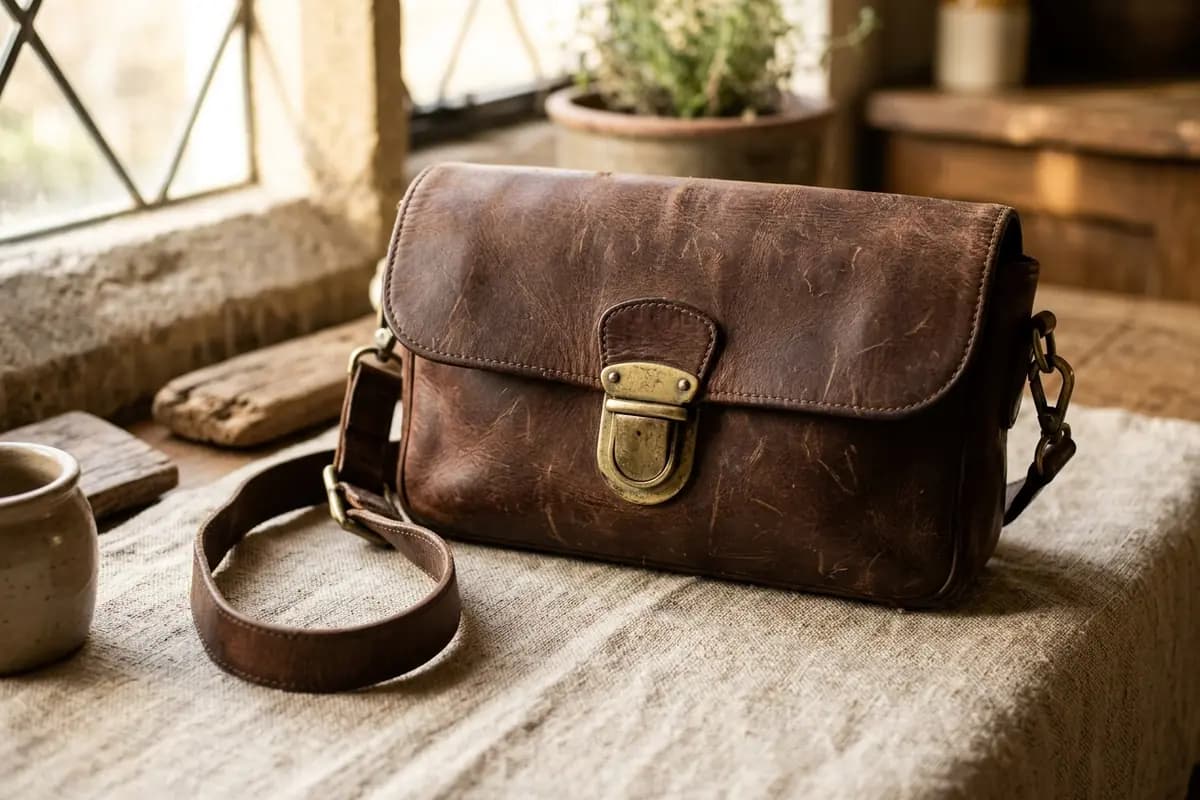
Many brands only started using serial numbers or date codes at some point in their history. Louis Vuitton date codes, for example, appear on bags from the early 1980s onwards. An older piece with no code may be entirely genuine, while a code in the wrong format for its age is a warning sign.
Age should look natural
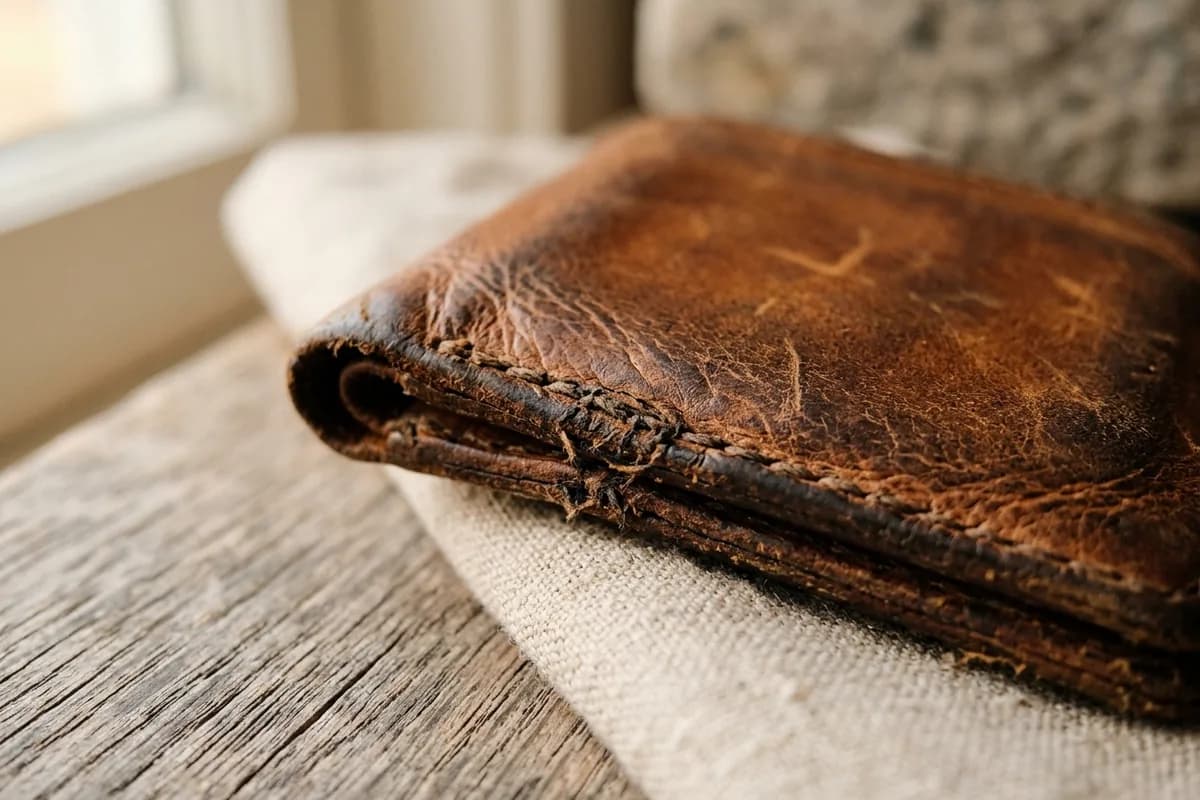
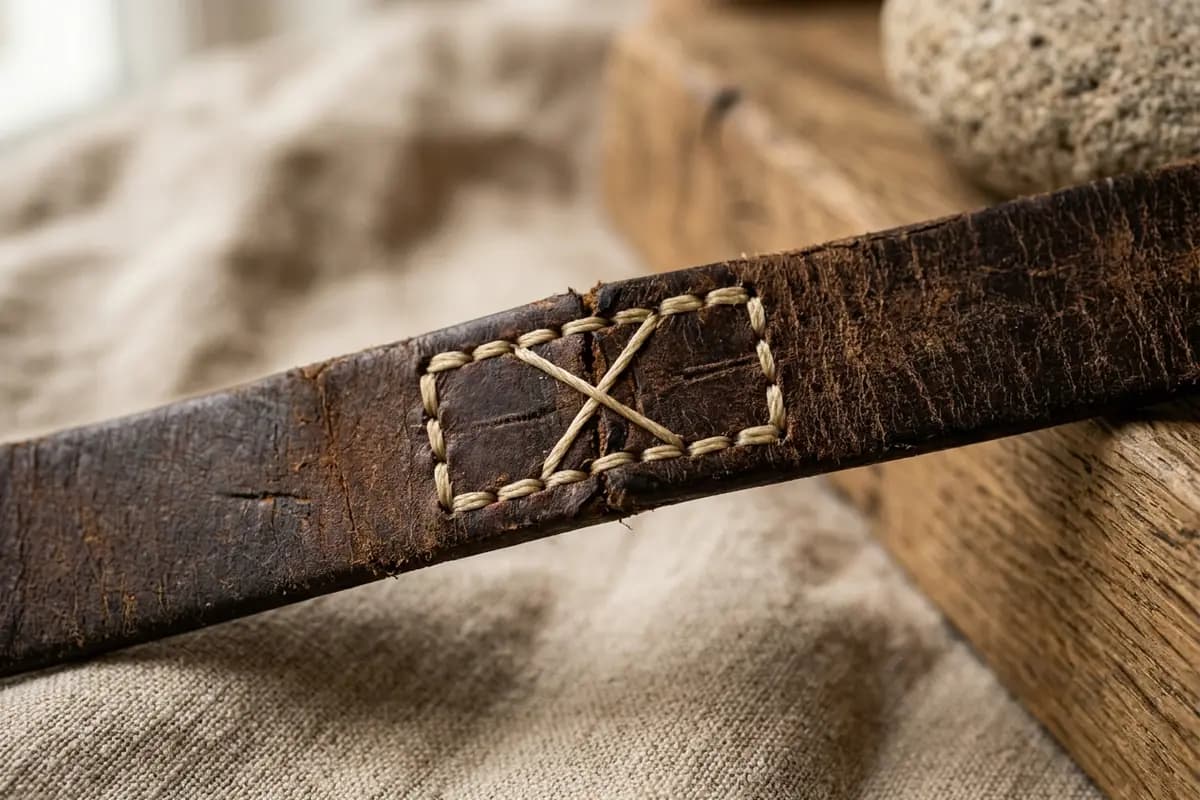
- Natural leather trim darkens with use and light into a honey-coloured patina
- Hardware may show soft wear and slight tarnish, consistent across all the pieces
- Wear sits on corners, handles and bases rather than spread evenly
- Hand-stitched seams on older pieces may be a little less uniform than modern ones
Repairs are not fakes
Vintage items are often repaired: new zips, replaced hardware, restitched handles or a new lining. Repairs by the brand or a good artisan do not make a piece fake, but they change its value and should be disclosed.
Provenance and experts
Old receipts, photos of the item being worn years ago, or a record from a previous sale all add confidence. For valuable pieces, ask a specialist in that brand and period: vintage authentication depends on knowing many small details that changed over time.
Next up
How to check antiques: age, wear and repairs
4 min read