VerifAI Logo
VerifAI
How it worksFor businessesFor buyers & sellersPricing
Sign inRequest a demo
Sign in
HomeBlogAntiques

Authentication

How to check antiques: age, wear and repairs

Furniture, clocks, ceramics and metalwork: how construction, wear, marks and repairs reveal whether a piece is as old as it is claimed to be.
4 min readUpdated 22 October 2026
An antique clock, leather-bound book, keys, magnifier and carved boxes on a yellow background.
4 min left
ContentsWear should make sense
  1. 1Wear should make sense
  2. 2Construction tells the date
  3. 3Marks and labels
  4. 4Repairs, replacements and marriages
  5. 5Photos to take for a check

Contents

  1. 1Wear should make sense
  2. 2Construction tells the date
  3. 3Marks and labels
  4. 4Repairs, replacements and marriages
  5. 5Photos to take for a check

In short

  • Genuine age leaves wear where hands, feet and use touch a piece over many years.
  • How a piece was made can date it more reliably than how it looks.
  • Maker's marks on ceramics, silver and furniture are useful, and also among the most copied details.

Wear should make sense

Genuine age leaves wear where hands, feet and use touch a piece over many years. Faked age tends to be even, random or in places nobody would touch.
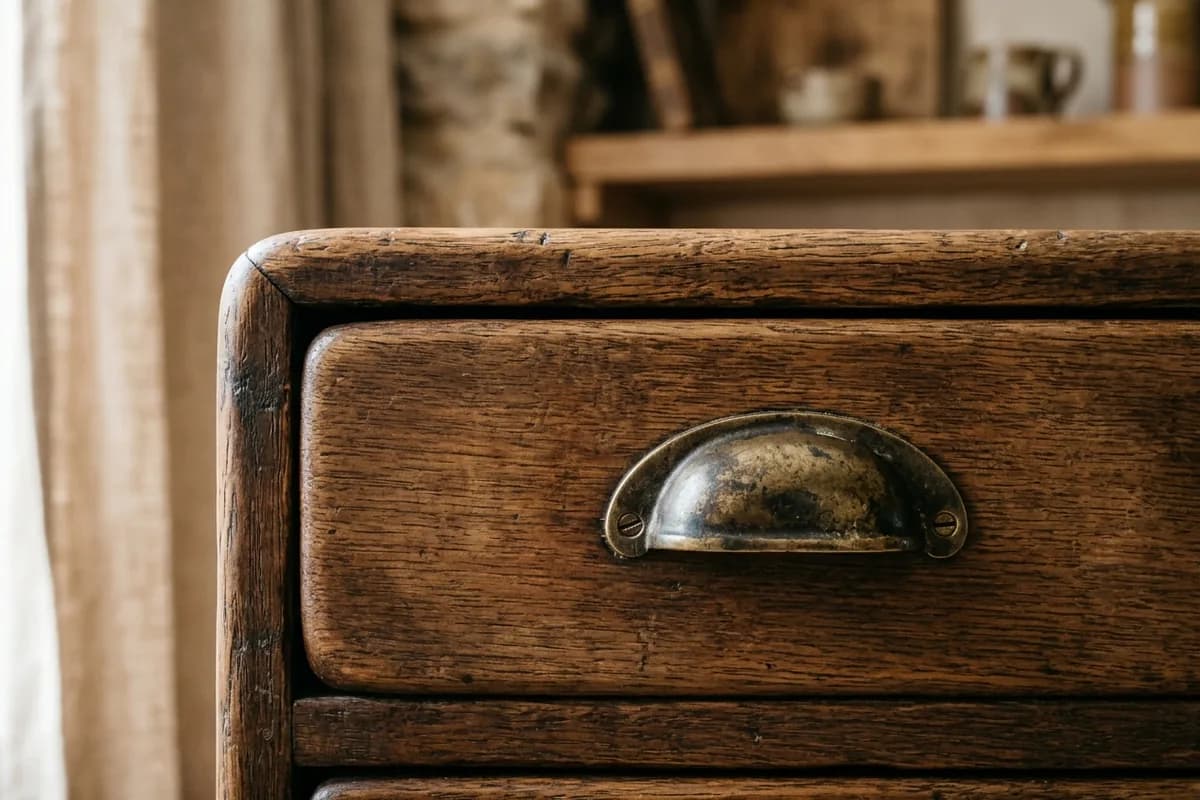
Natural wear where hands touch
  • Wear is heaviest on handles, edges, feet and other high points
  • Patina on metal and wood is deeper in recesses and softer where it has been handled
  • Scratches and dents look random in direction, not like a regular pattern of distressing
  • Dirt and polish build-up sit in corners and carvings, not spread evenly

Construction tells the date

How a piece was made can date it more reliably than how it looks.
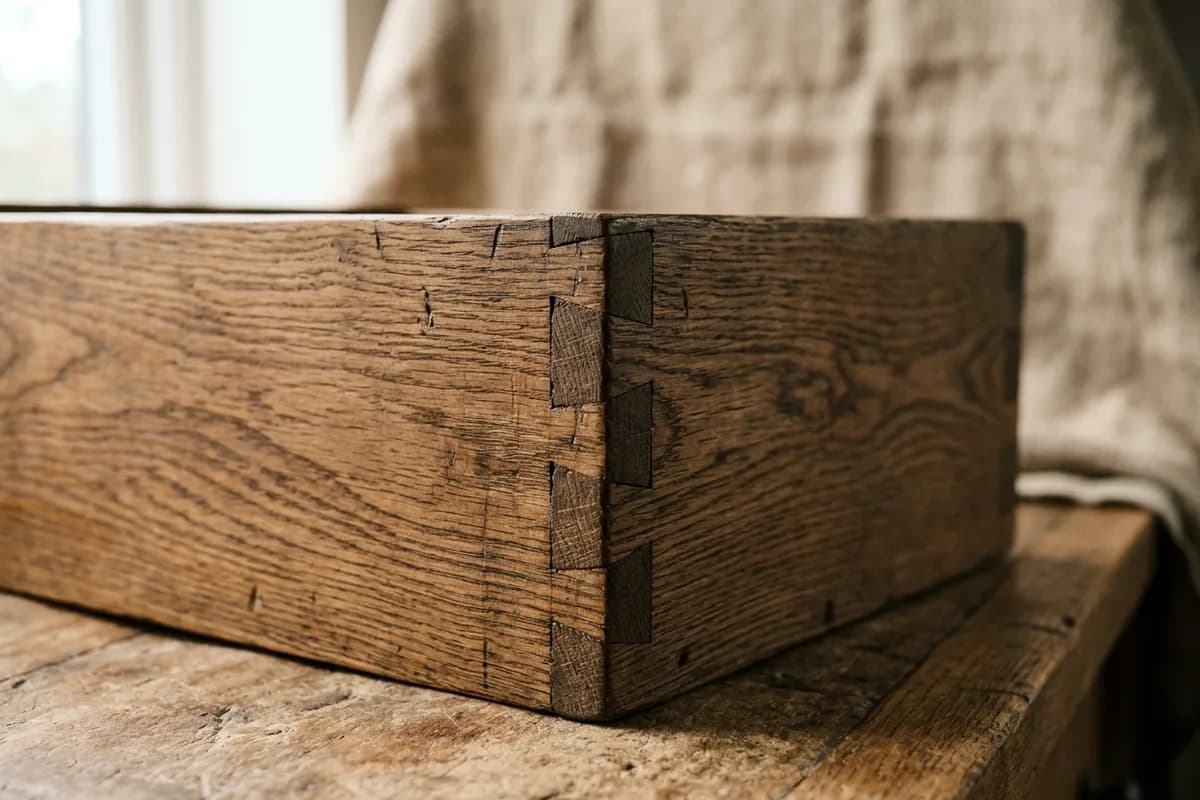
Hand-cut dovetails date a piece
  • Hand-cut dovetail joints are slightly irregular; machine-cut ones are perfectly uniform
  • Hand-made screws have uneven threads and off-centre slots; cross-head screws belong to the 20th century
  • Straight saw marks point to hand or early mill work, while curved marks from a circular saw suggest a later date
  • Old wood shrinks across the grain, so round tops and panels are often slightly oval

Marks and labels

Maker's marks on ceramics, silver and furniture are useful, and also among the most copied details.
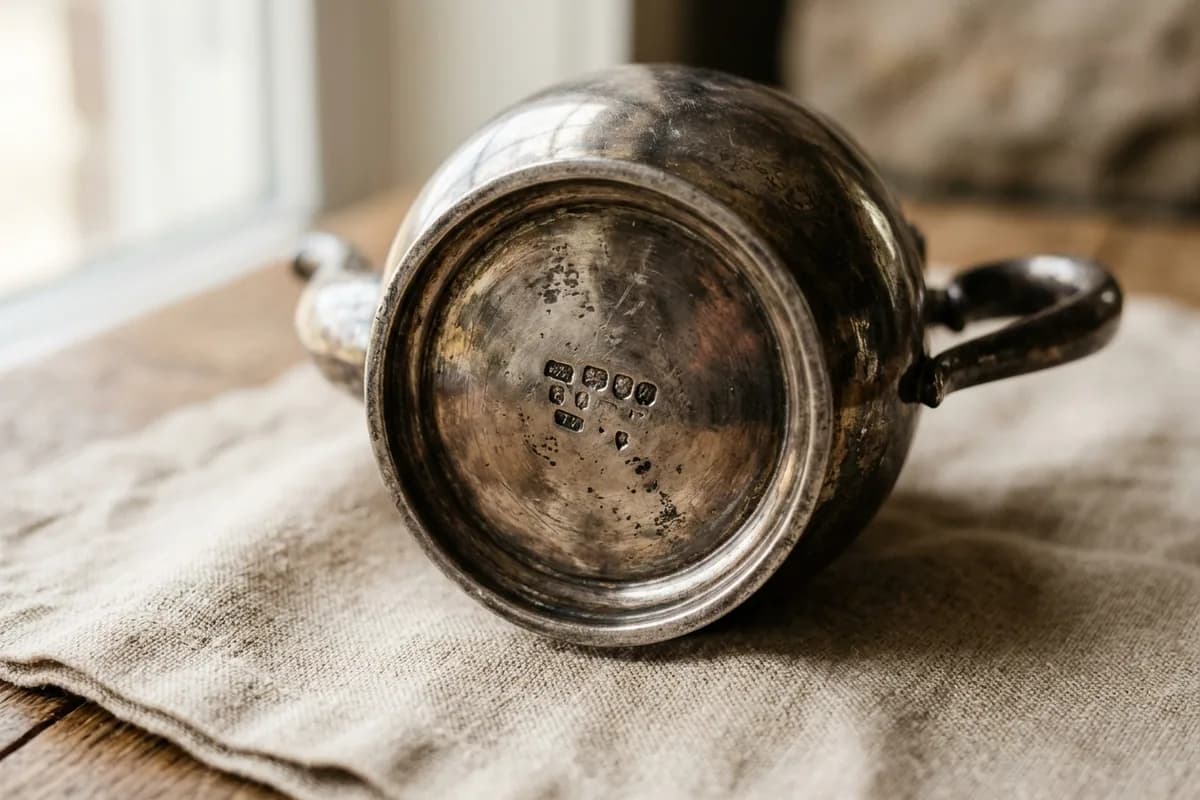
Maker's marks on the base
  • The mark matches published examples for the maker and period, in style, colour and position
  • The mark sits under the glaze on ceramics where it should, not on top
  • A country-of-origin mark fits the claimed date; many goods imported into the US from the 1890s onwards were marked with their country of origin, so such a mark on a piece claimed to be much older deserves a closer look

Repairs, replacements and marriages

Old pieces are often repaired, and honest repairs do not make a piece fake. What matters is whether they are disclosed and how much of the piece is original.

  • Replaced handles, hinges or hardware often leave old holes or marks
  • A “marriage” combines parts of two different pieces, such as a top and a base, that never started life together
  • Fresh wood, new glue or bright metal inside an old piece points to later work
  • Restoration under UV light can show up as areas that glow differently

Ask before you buy

Ask the seller directly what has been repaired, replaced or restored, and get the answer in writing.

Photos to take for a check

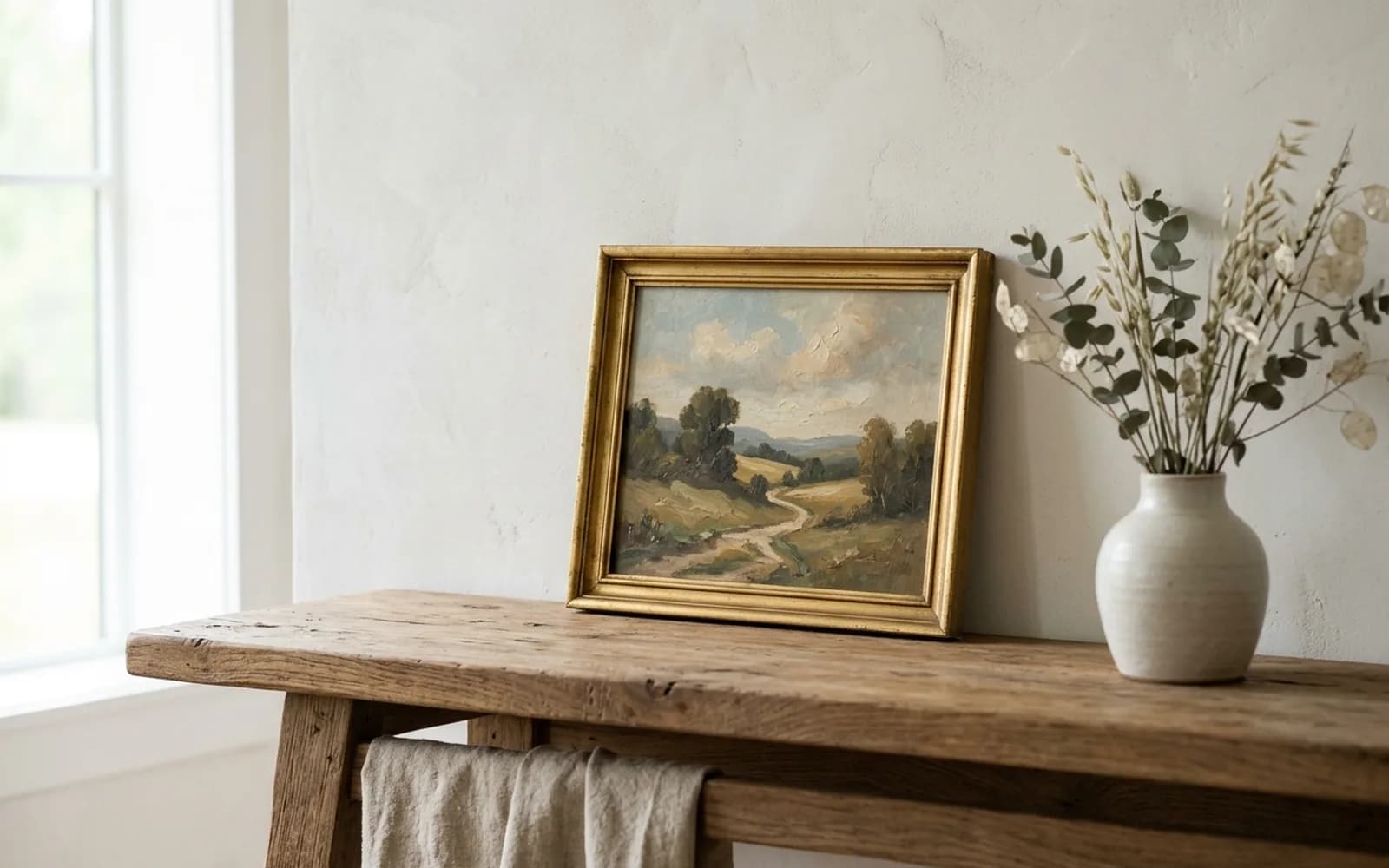
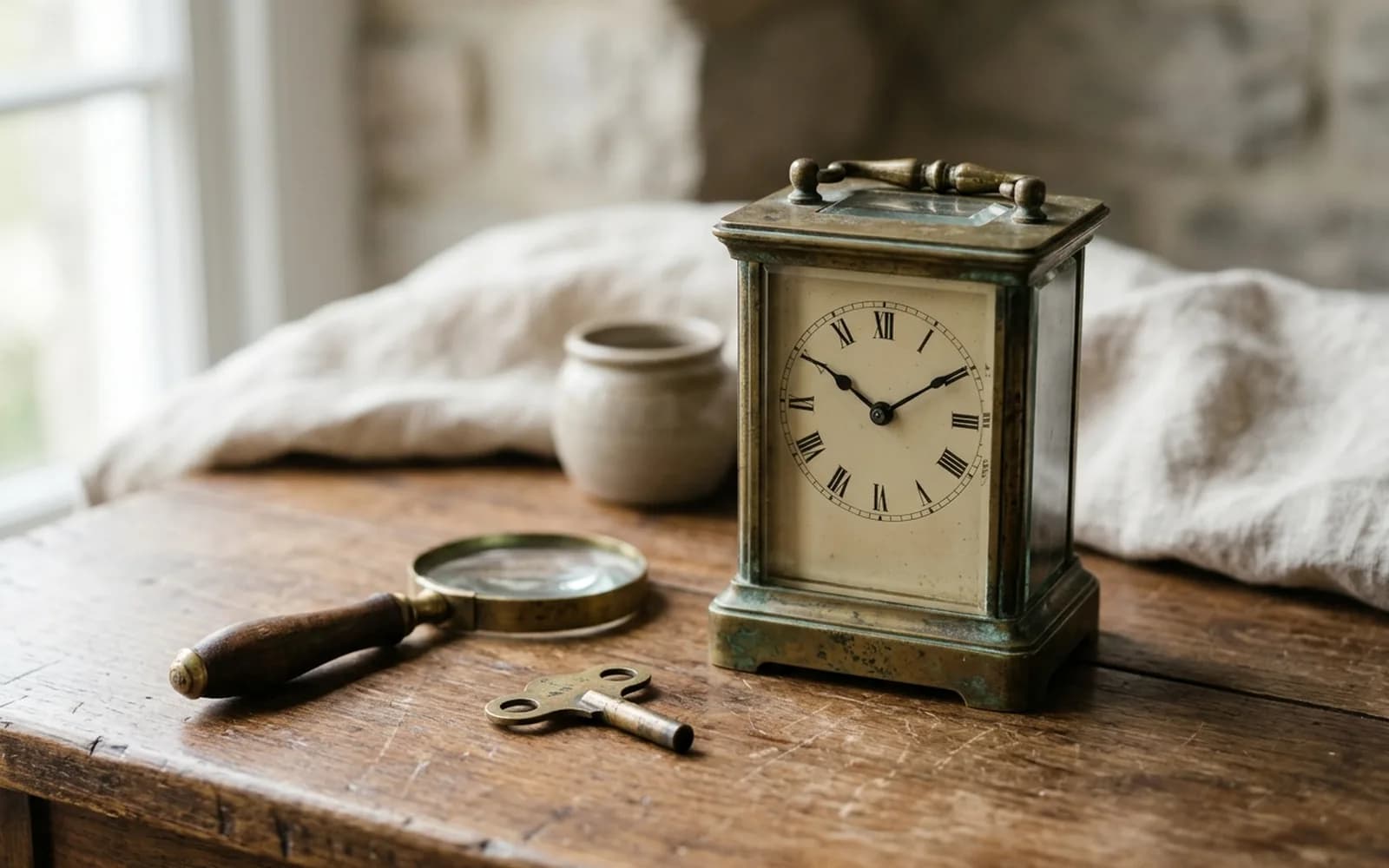
The front, with the dial in focus
The piece at an angle
The back and its markings
  1. 1The whole piece from the front and from an angle
  2. 2Maker's marks, stamps and labels, close up
  3. 3The back and the underside
  4. 4Joints, fixings and any repairs

Check an item with VerifAI

Take the photos this guide describes and get an AI authenticity check in minutes. VerifAI reads only the photos you upload; it is not a physical inspection or a guarantee.

Check an item on the webApp StoreGoogle Play

Was this helpful?

Next up

How to check a work of art: signature, back and provenance

4 min read

Related reading
  • Vintage

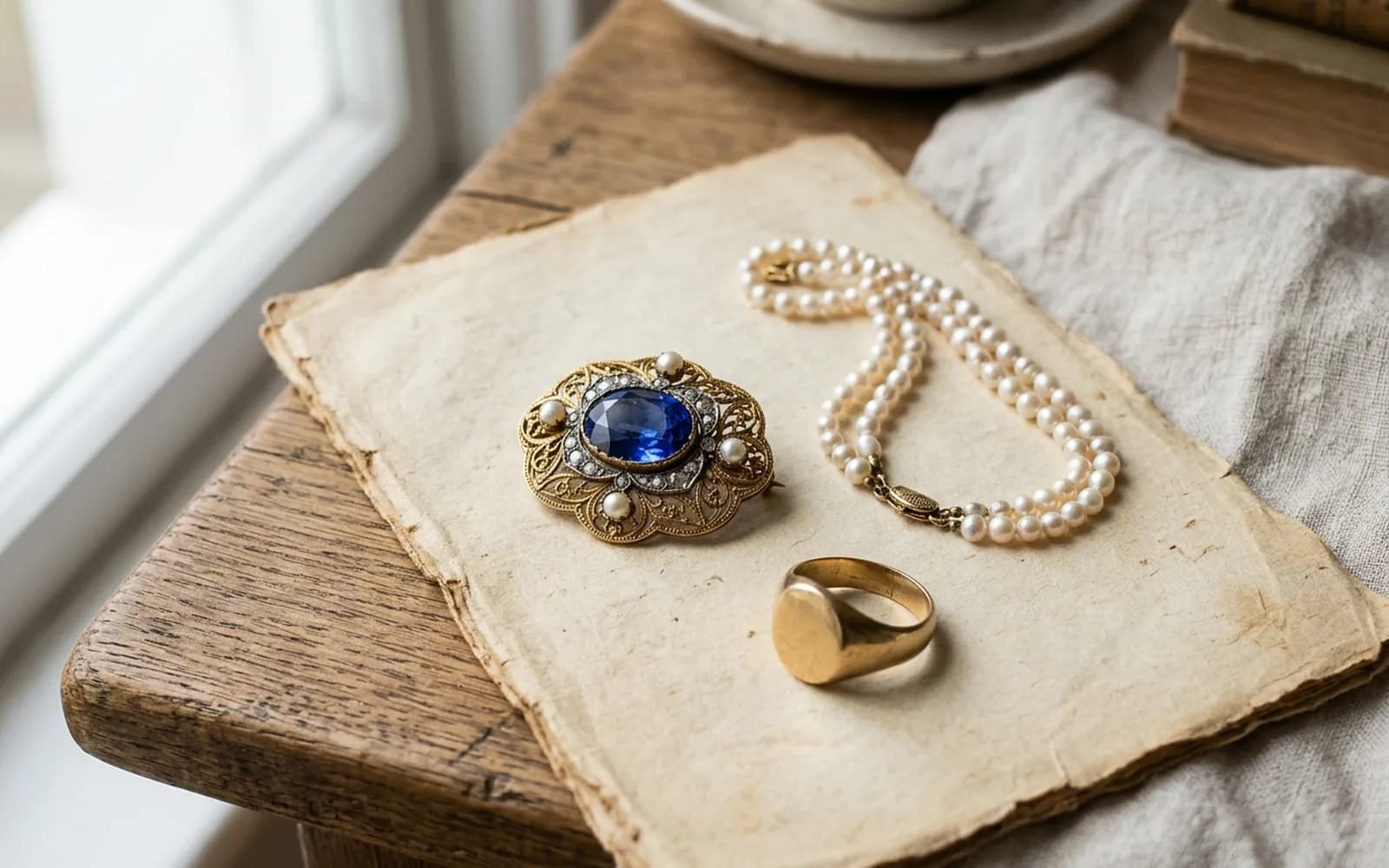
    Vintage luxury needs a different eye: details change by decade, codes may be missing and honest repairs are common. How to judge a vintage piece fairly.
  • Watches

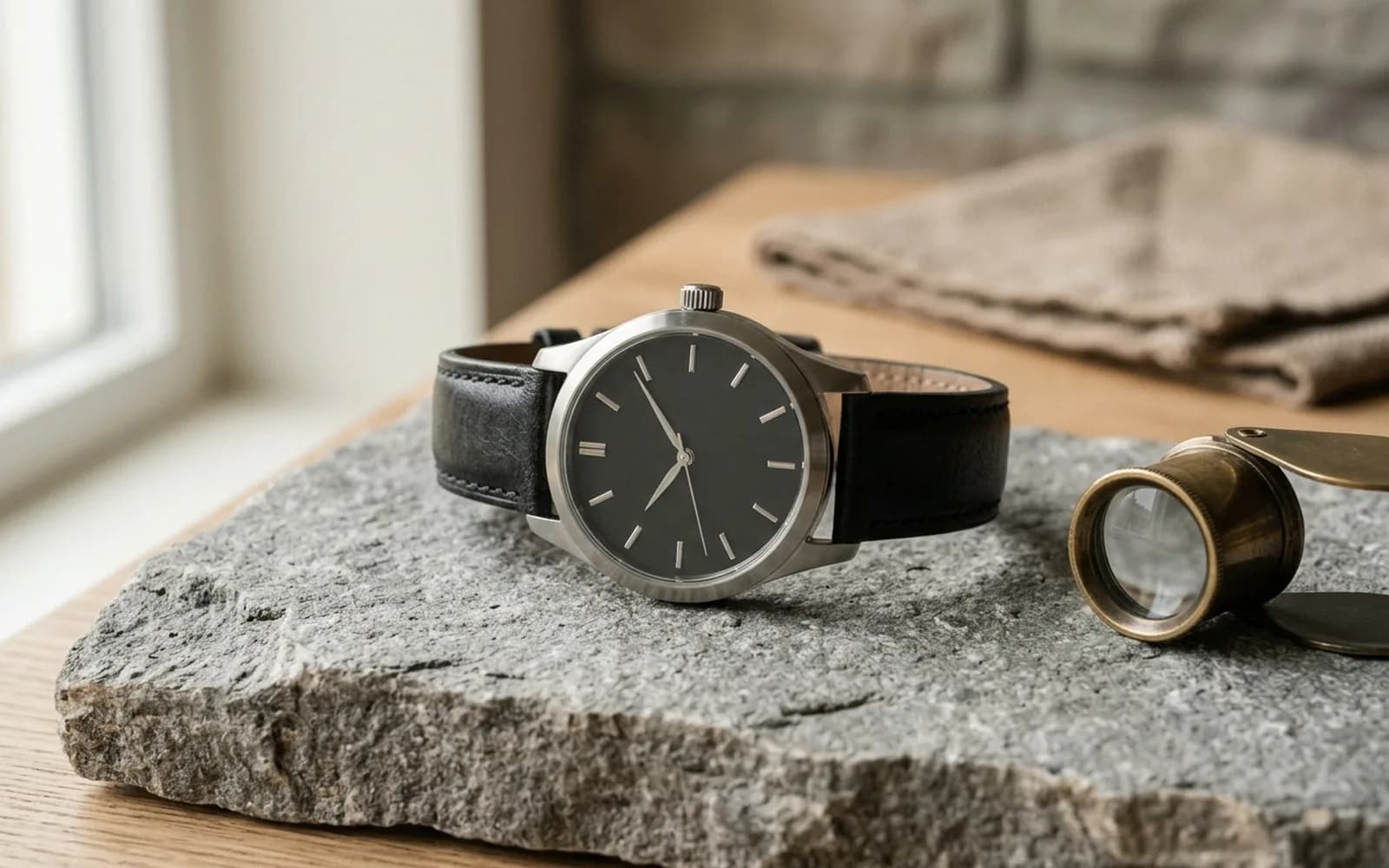
    Movement, weight, dial, case back, serial numbers and papers: how to judge a luxury watch, and which details are worth a close-up photo.

All articles

Product

  • All Products
  • How It Works
  • For Businesses
  • For Buyers & Sellers
  • Sample Report
  • Pricing

Resources

  • Blog
  • Scan Guides
  • Help Center

Company

  • About Us
  • Contact

Get started

  • Check an item
  • Sign in
  • Create account
  • Request a demo

Legal

  • Privacy Policy
  • Delete Account
  • Terms of Service
  • Refund Policy
  • Accessibility
VerifAI Logo
VerifAI

© 2026 Authenticating Solutions LLC (VerifAI). All rights reserved.

Product and company names and logos belong to their owners. VerifAI is not affiliated with or endorsed by them.

VerifAI