VerifAI Logo
VerifAI
How it worksFor businessesFor buyers & sellersPricing
Sign inRequest a demo
Sign in
HomeBlogArt

Authentication

How to check a work of art: signature, back and provenance

Paintings and prints: what the surface, the signature, the back of the work and its paperwork can tell you before you buy.
4 min readUpdated 22 October 2026
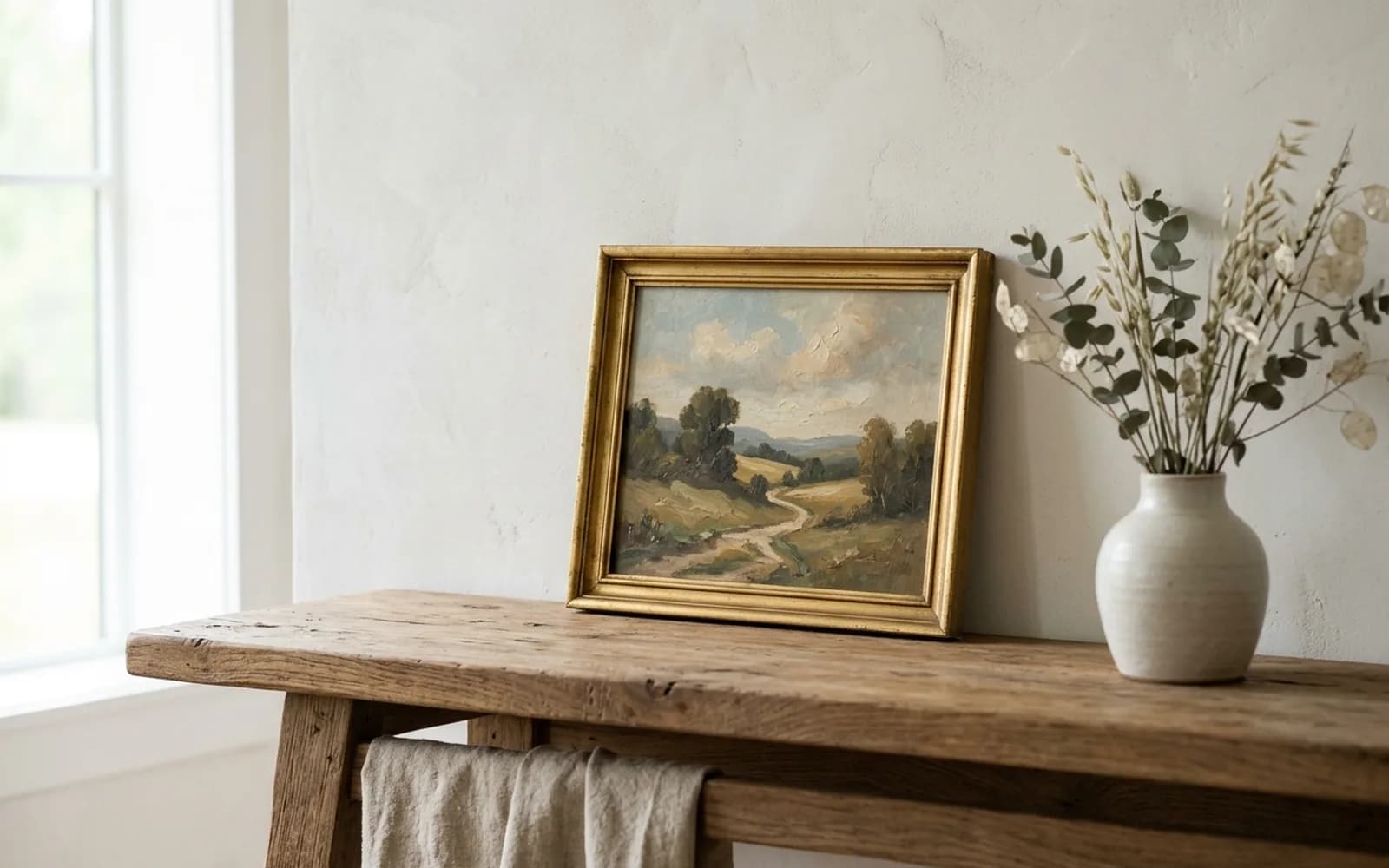
A landscape painting in a gilded frame beside a vase and a carved wall bracket.
4 min left
ContentsProvenance comes first
  1. 1Provenance comes first
  2. 2The signature
  3. 3Original or reproduction?
  4. 4Turn it over
  5. 5Certificates of authenticity
  6. 6Photos to take for a check

Contents

  1. 1Provenance comes first
  2. 2The signature
  3. 3Original or reproduction?
  4. 4Turn it over
  5. 5Certificates of authenticity
  6. 6Photos to take for a check

In short

  • Provenance is the history of a work: who made it, who has owned it and where it has been shown.
  • A signature is easy to add and hard to judge on its own.
  • Many fakes are not painted at all but printed.

Provenance comes first

Provenance is the history of a work: who made it, who has owned it and where it has been shown. For established artists it is often the strongest evidence there is.
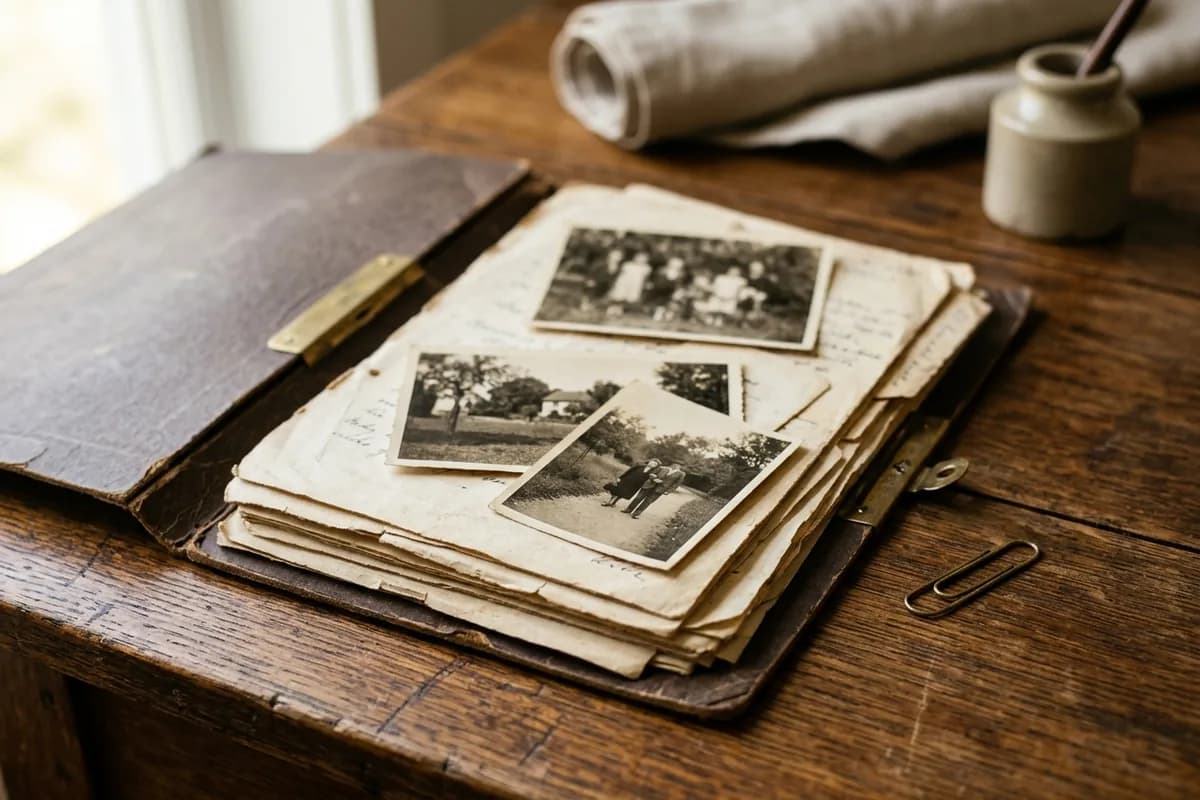
Provenance: papers, photographs, history
  • There is a clear chain of ownership, ideally with receipts, letters or auction records
  • Exhibition labels or catalogue entries match the work's title, size and medium
  • For a well-known artist, the work appears in the catalogue raisonnĂ©, the scholarly list of their works, where one exists
  • The seller can explain how they came to own the work

The signature

A signature is easy to add and hard to judge on its own. Compare it with signatures on accepted works from the same period of the artist's life.

  • Placement and size should be typical for the artist
  • On a painting, a signature should sit in the paint layer, not on top of old varnish or cracks
  • A signature that looks fresher than the rest of the surface deserves a closer look

Original or reproduction?

Many fakes are not painted at all but printed. Look at the surface closely, at an angle and with a loupe.
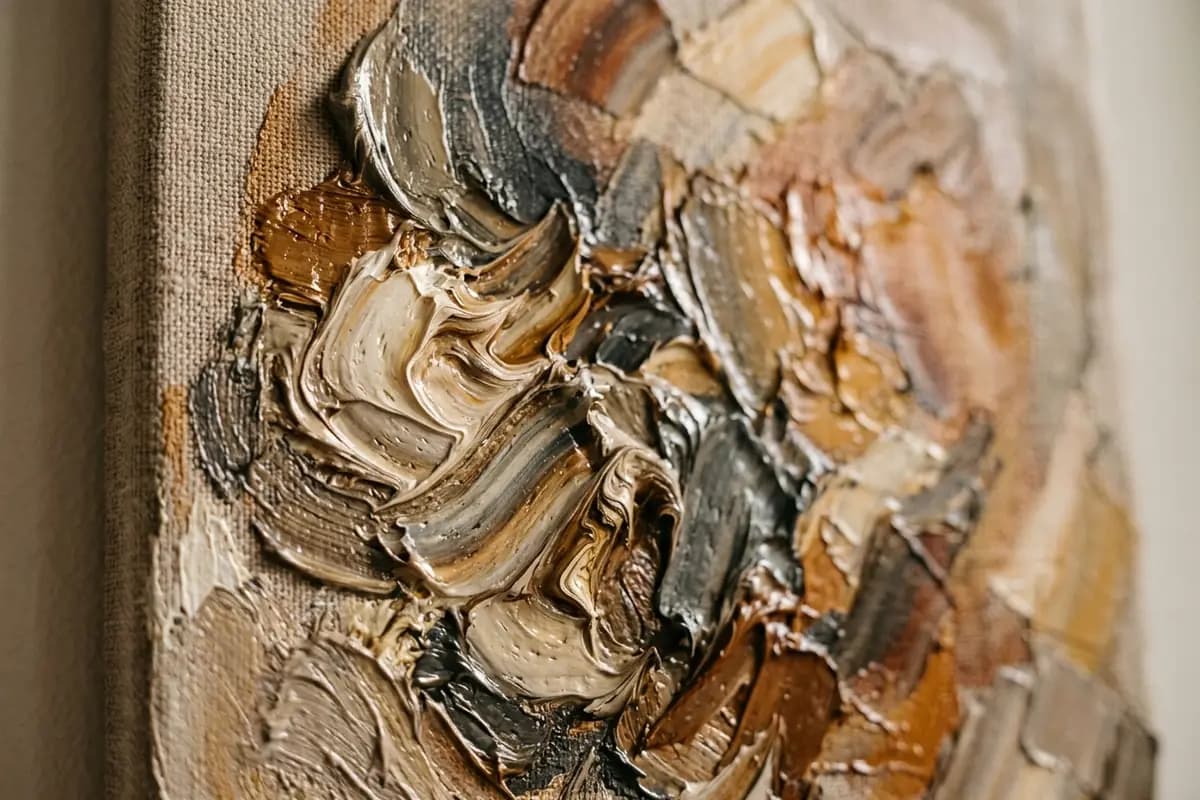
Real brushwork has relief and depth
  • Brushstrokes have real texture and height where the paint is thick
  • Under magnification there is no regular dot pattern, which would point to a printed reproduction
  • Limited-edition prints are numbered and usually signed in pencil, with the edition size stated
  • The paper or canvas edges show the work runs all the way to where it should, without a printed border

Turn it over

The back of a painting or print often says more than the front.
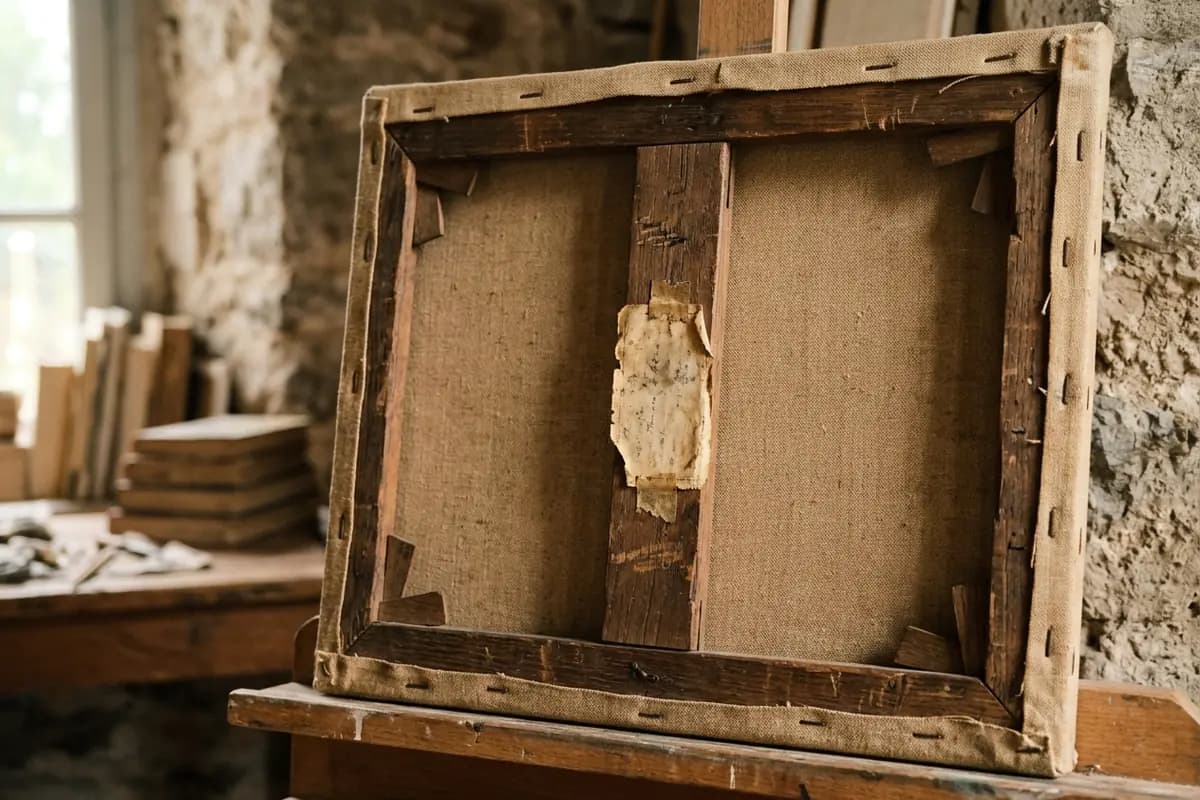
The back of a canvas often says the most
  • Gallery, framer and exhibition labels look old if the work is old, and the details match
  • The canvas, stretcher bars and fixings look right for the claimed age
  • Staples rather than tacks suggest the canvas was stretched, or restretched, more recently
  • There are no signs that a new canvas was attached to an old stretcher, or the reverse

Certificates of authenticity

A certificate is only as good as whoever issued it. A certificate from the artist, their estate or foundation, or a recognised expert carries weight. One printed by the seller does not.

Verify the issuer

Contact the gallery, estate or expert named on the certificate directly, using contact details you find yourself, and ask them to confirm it.

Photos to take for a check

The whole work, straight on
The surface, up close
The edge and the back
  1. 1The whole piece, straight on and evenly lit
  2. 2The signature, close up
  3. 3The back, with any labels and stamps
  4. 4Certificates and provenance documents

Check an item with VerifAI

Take the photos this guide describes and get an AI authenticity check in minutes. VerifAI reads only the photos you upload; it is not a physical inspection or a guarantee.

Check an item on the webApp StoreGoogle Play

Was this helpful?

Next up

How to check antiques: age, wear and repairs

4 min read

Related reading
  • Vintage

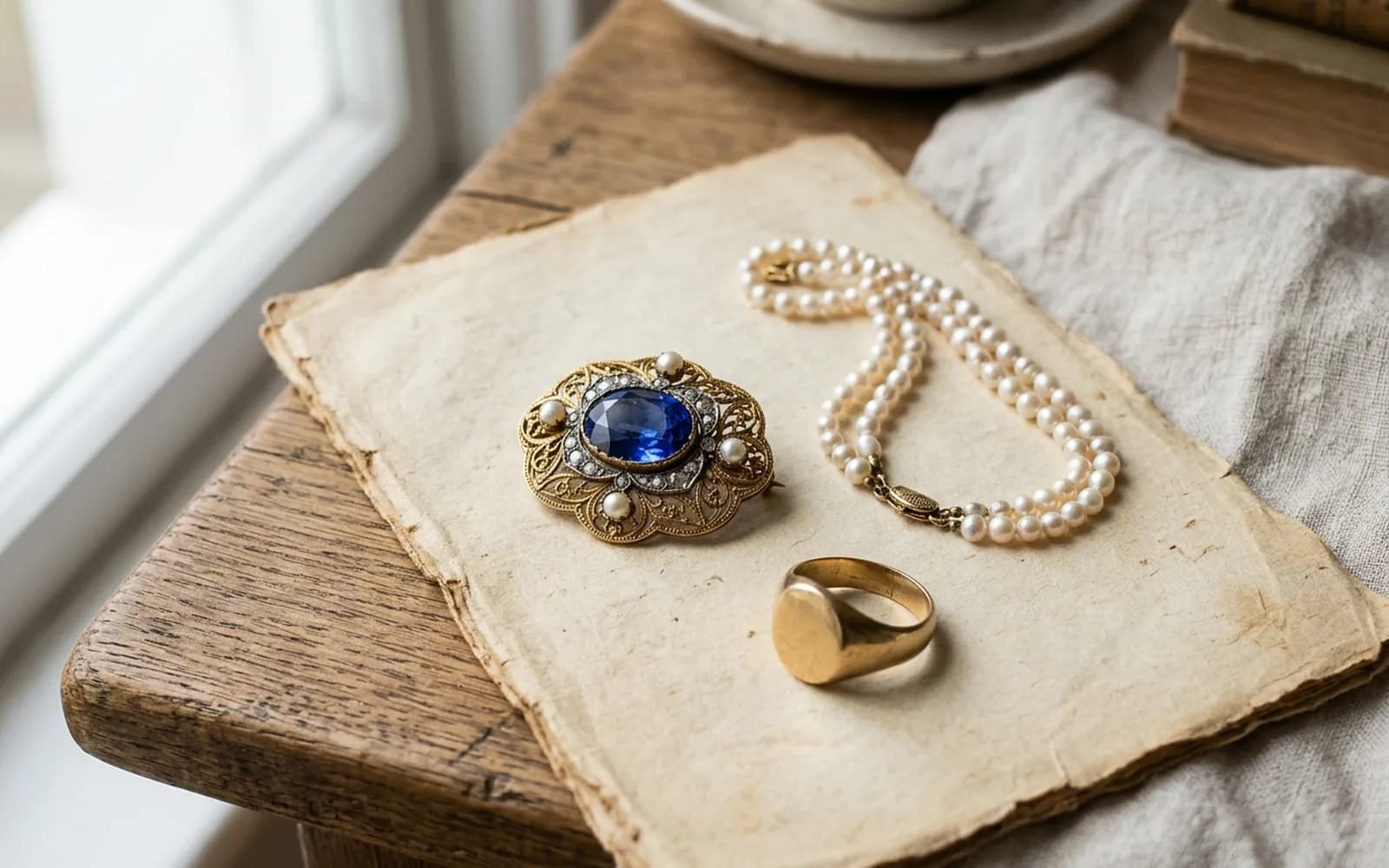
    Vintage luxury needs a different eye: details change by decade, codes may be missing and honest repairs are common. How to judge a vintage piece fairly.
  • Photo basics

    A check can only judge what it can see. The set-up, the shot list and the mistakes to avoid, so VerifAI has the evidence it needs.

All articles

Product

  • All Products
  • How It Works
  • For Businesses
  • For Buyers & Sellers
  • Sample Report
  • Pricing

Resources

  • Blog
  • Scan Guides
  • Help Center

Company

  • About Us
  • Contact

Get started

  • Check an item
  • Sign in
  • Create account
  • Request a demo

Legal

  • Privacy Policy
  • Delete Account
  • Terms of Service
  • Refund Policy
  • Accessibility
VerifAI Logo
VerifAI

© 2026 Authenticating Solutions LLC (VerifAI). All rights reserved.

Product and company names and logos belong to their owners. VerifAI is not affiliated with or endorsed by them.

VerifAI