
Authentication
How to check rare and signed books
First editions, dust jackets, book club copies and signatures: how collectors identify what a book really is.

In short
- The copyright page, on the back of the title page, is where you start.
- On many modern first editions, much of the value is in the jacket, so jackets get swapped and reproduced.
- Book club editions often look like first editions but are worth far less.
Identify the edition
The copyright page, on the back of the title page, is where you start. Publishers mark first editions in different ways, so check the method the publisher used at the time.

The dust jacket
On many modern first editions, much of the value is in the jacket, so jackets get swapped and reproduced.
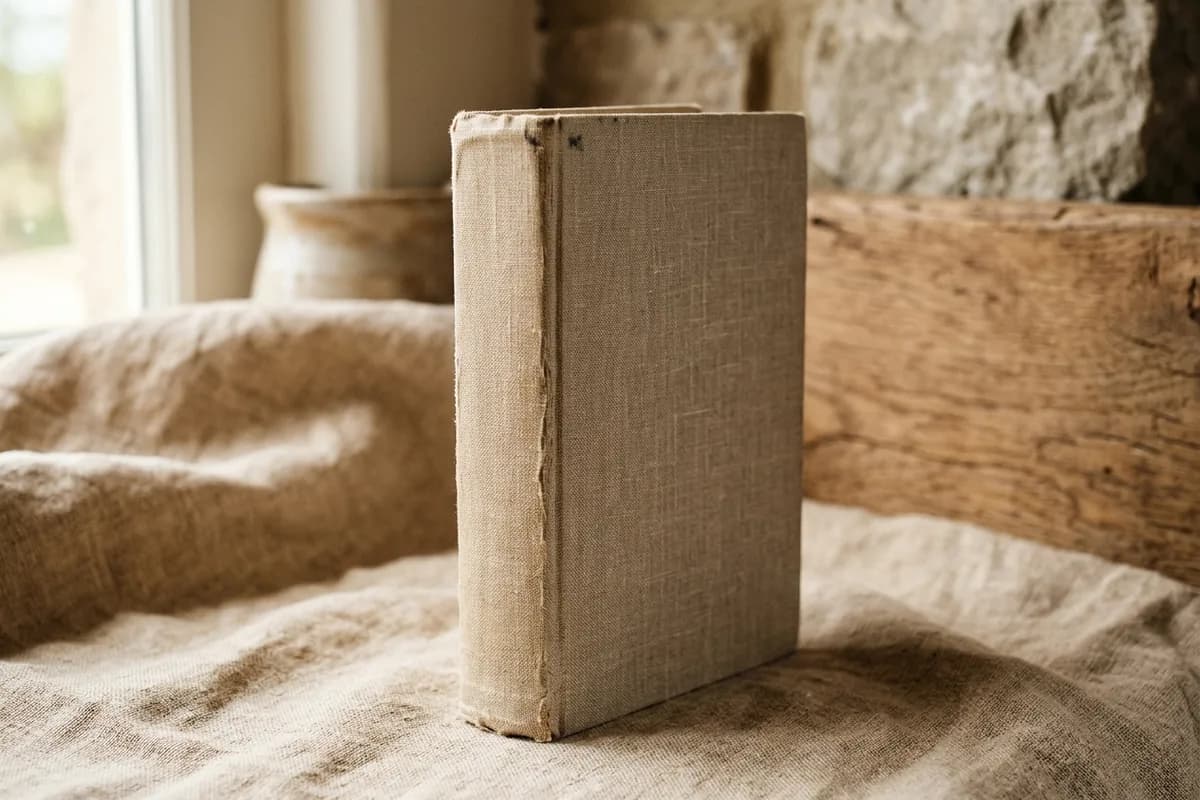
Book club copies
Book club editions often look like first editions but are worth far less. Typical signs include:
- No price on the jacket flap, or “Book Club Edition” printed on it
- A small blind stamp, a dot or shape pressed into the lower corner of the back board
- A slightly smaller size and thinner paper than the trade edition
Signed copies
Condition and repairs
- Look for a rebacked or replaced spine, new endpapers and pages from another copy
- Foxing (brown spots), water stains and fading lower value but are not signs of a fake
- A sharp, unfaded jacket on a worn book can mean the jacket came from another copy
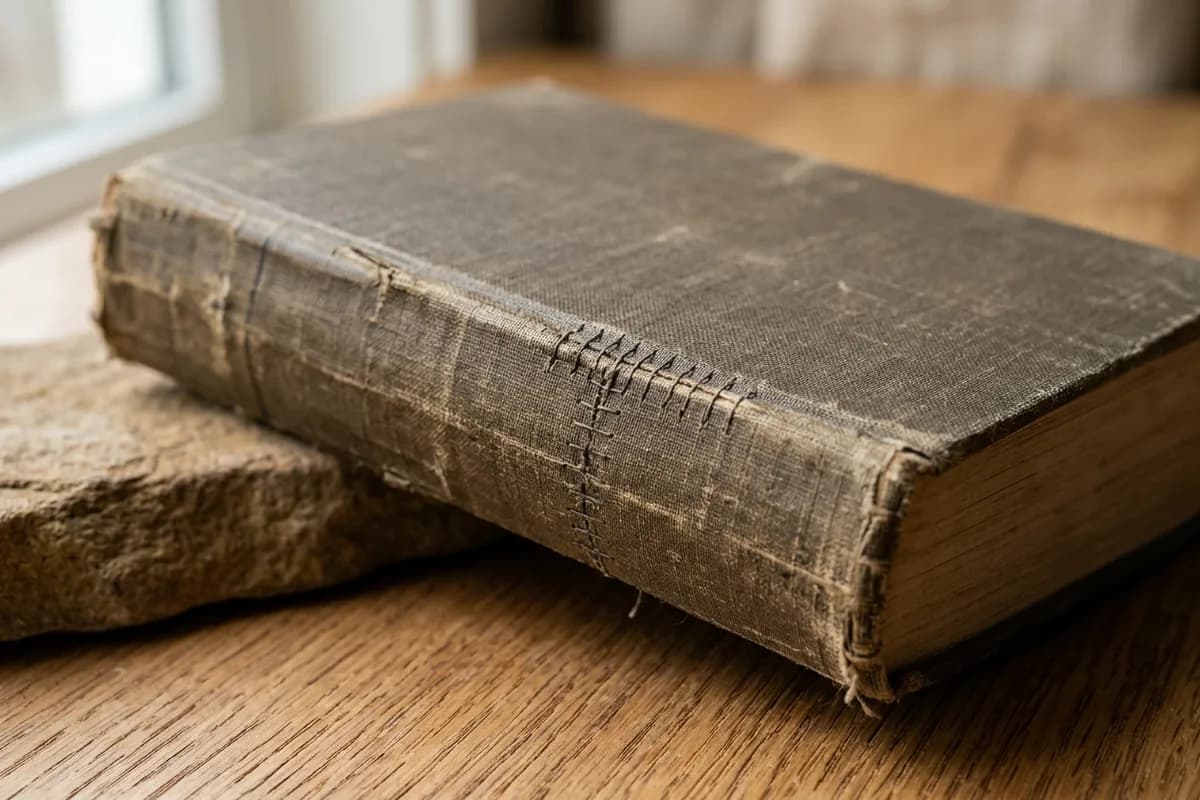
Photos to take for a check
- The front cover, with the jacket if there is one
- The spine
- The title page
- The copyright page and the number line
- The signature or inscription, close up
Next up

How to check a work of art: signature, back and provenance
4 min read
Related reading
Antiques
Furniture, clocks, ceramics and metalwork: how construction, wear, marks and repairs reveal whether a piece is as old as it is claimed to be.
Close-ups
The small details are where genuine and fake items differ most. How to capture logos, engravings, labels and serial numbers sharply enough to read.