
Authentication
How to check perfume and cosmetics
Wrapping, batch codes, bottles, sprayers and scent: how to spot fake perfume and make-up before it goes on your skin.
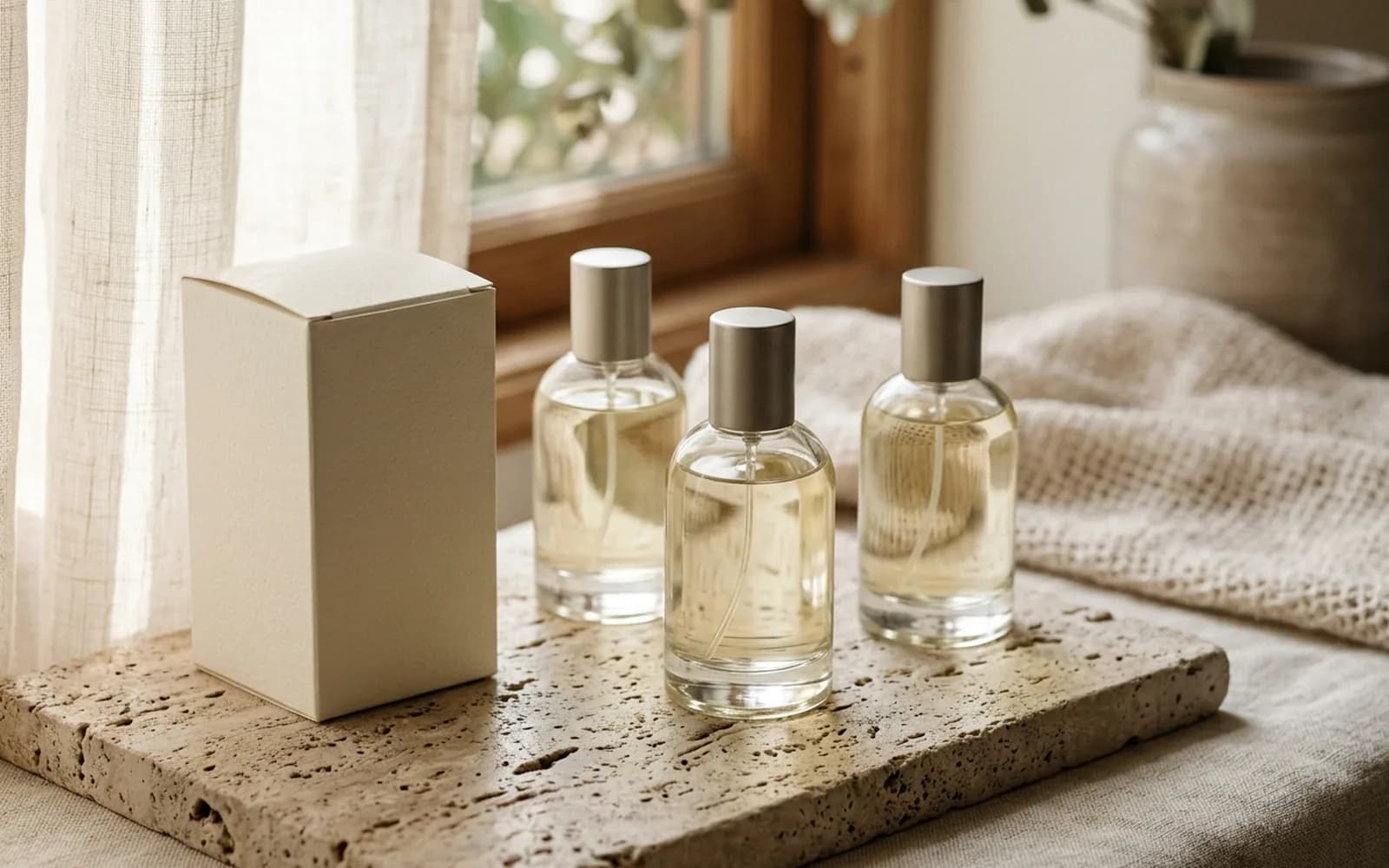
In short
- Fake perfume and make-up are not only a waste of money.
- Genuine testers are real products in plain packaging marked “Tester” or “Not for sale”.
- Most perfumes and cosmetics carry a batch code, a short code of letters and numbers printed or embossed on the box and on the bottle or tube itself.
Why it matters
Fake perfume and make-up are not only a waste of money. Because nobody controls what goes into them, they can irritate the skin or contain contaminants. If you suspect a product is fake, do not put it on your skin or near your eyes.
The box and the wrapping
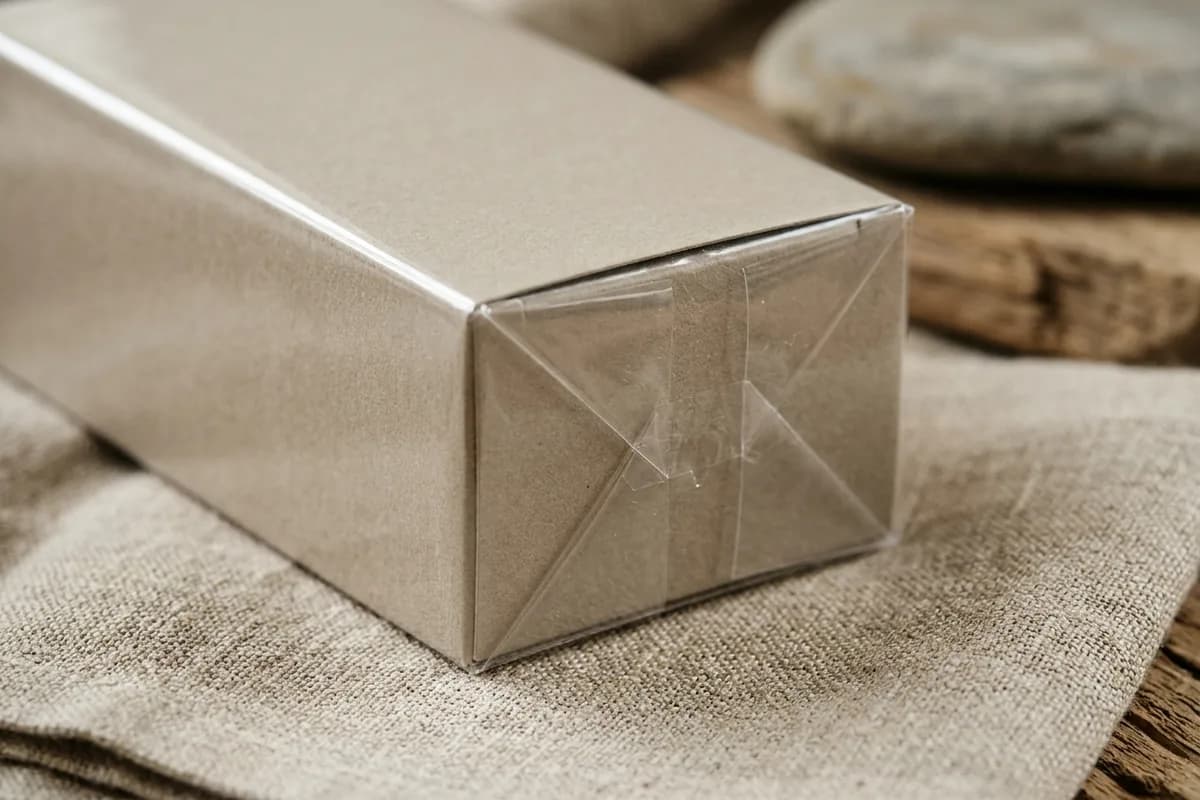
Genuine testers are real products in plain packaging marked “Tester” or “Not for sale”. They are not fakes, but they are sold without the usual box and sometimes without a cap.
Batch codes
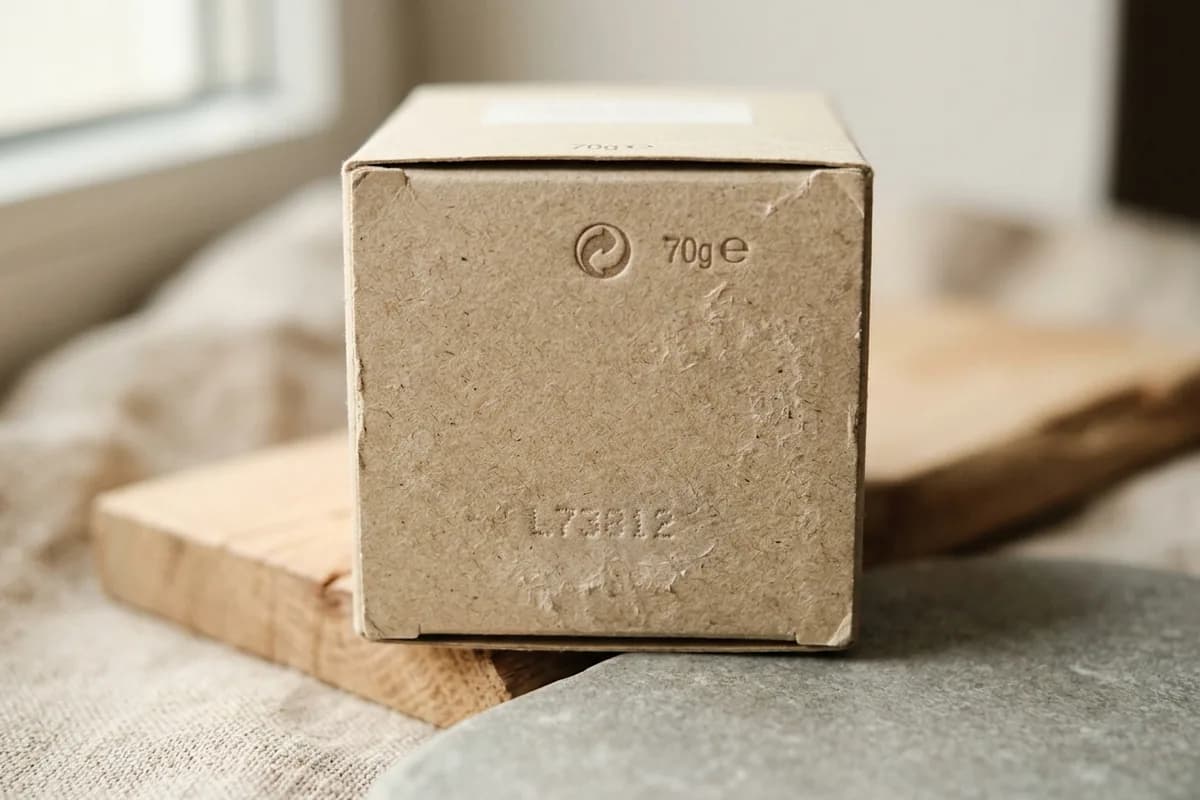
Most perfumes and cosmetics carry a batch code, a short code of letters and numbers printed or embossed on the box and on the bottle or tube itself.
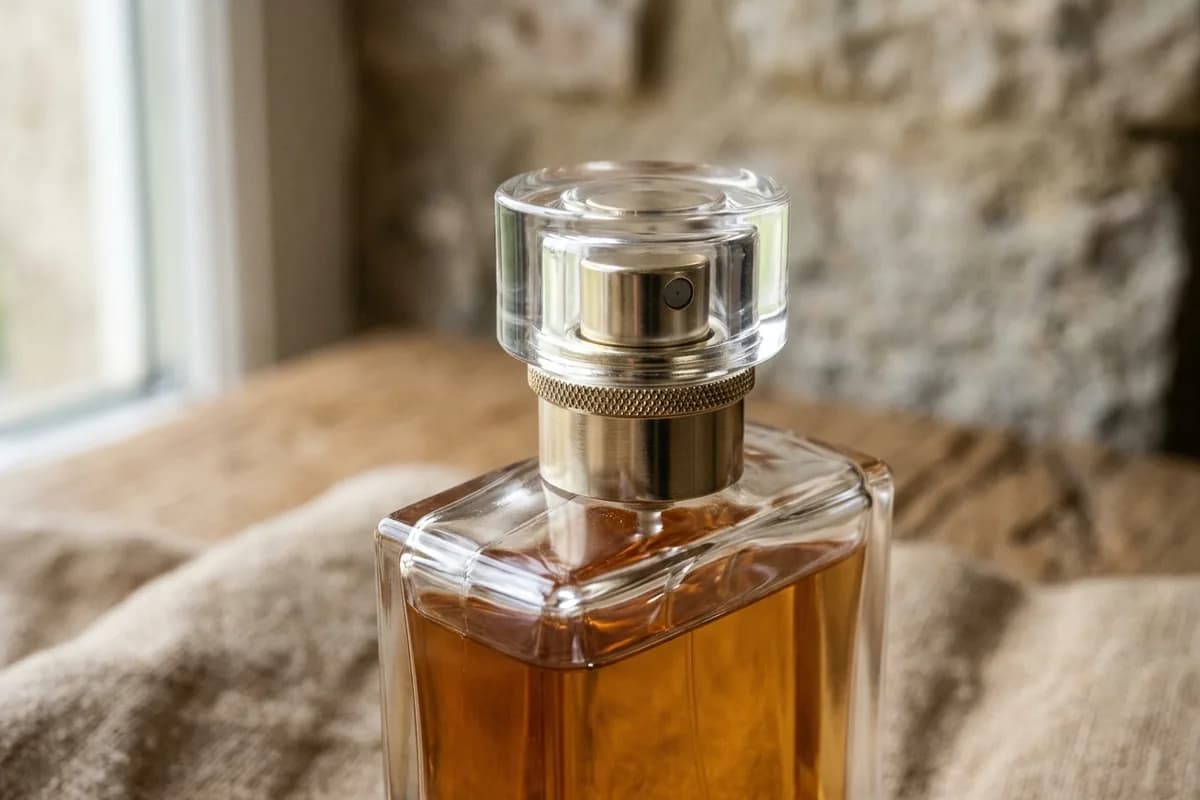
The bottle, sprayer and cap
The scent itself
Fakes often open with a sharp smell of alcohol, then fade quickly. A genuine fragrance changes as it dries and lasts much longer. Compare on a paper strip with a tester in a store if you can, rather than on your skin.
Photos to take for a check
- The front of the box and the bottle
- The batch code on the box
- The batch code on the base of the bottle
- The sprayer and the cap
- The cellophane seams, if the box is still wrapped
Next up
How to spot a fake listing before you pay
3 min read
Related reading
Buying safely
How to protect your money when you buy pre-owned: the proof to ask for, the payment methods that protect you and what to do at handover.
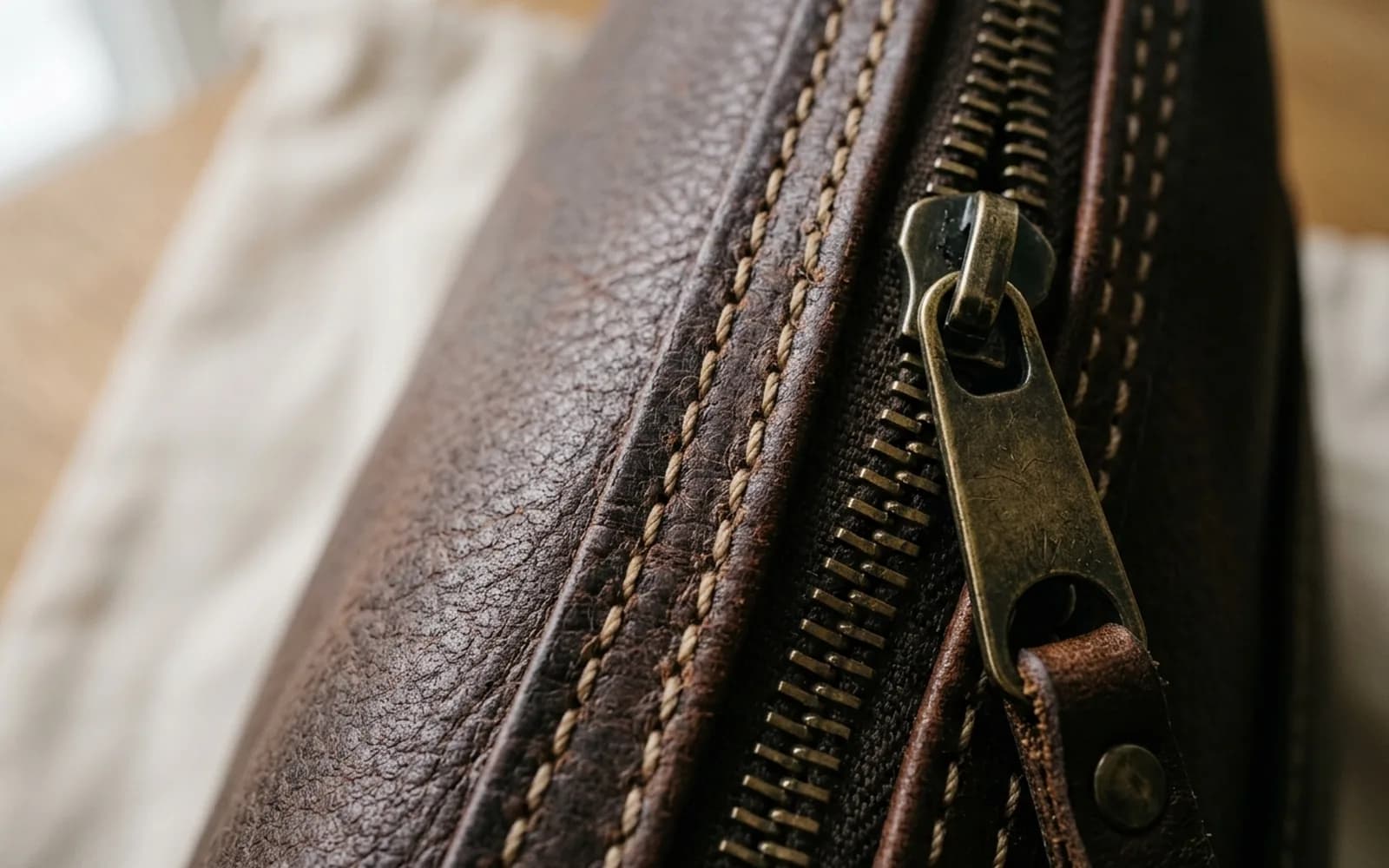
Close-ups
The small details are where genuine and fake items differ most. How to capture logos, engravings, labels and serial numbers sharply enough to read.