
Insights
The psychology behind buying fakes
Price is only part of the story. Research on why people buy counterfeits, the different kinds of buyers, and how finding out changes how people feel.
In short
- It is easy to assume people buy fakes only because they are cheaper.
- Authentication tools exist mainly for the first group: people who want the genuine item and deserve to know what they are buying.
- Learning that something is fake can change how a buyer feels about it.
Beyond price
It is easy to assume people buy fakes only because they are cheaper. Research suggests the motives are more varied, and often social.
A study published in the Journal of Marketing Research found that social motives, such as wanting to make a certain impression on others, play a large part in whether people want counterfeit luxury brands (Wilcox, Kim and Sen, “Why Do Consumers Buy Counterfeit Luxury Brands?”, 2009).
Common motives
- Status: the logo signals belonging or success, whatever the quality behind it
- Resentment of high prices: some buyers see fakes as a protest against luxury pricing
- Situational ethics: people who would never steal may not see buying a fake as wrong
- Curiosity and trend-following: trying a look before committing to the real thing
Three kinds of buyers
- Deceived buyers, who believe they are paying for the real thing
- Complicit buyers, who know or strongly suspect the item is fake
- Deliberate seekers, who look for fakes on purpose as a cheap alternative
Authentication tools exist mainly for the first group: people who want the genuine item and deserve to know what they are buying.
Finding out changes how people feel
Learning that something is fake can change how a buyer feels about it. People often feel let down or misled, enjoy the item less and start noticing quality problems they had overlooked.
Why it matters beyond the wallet
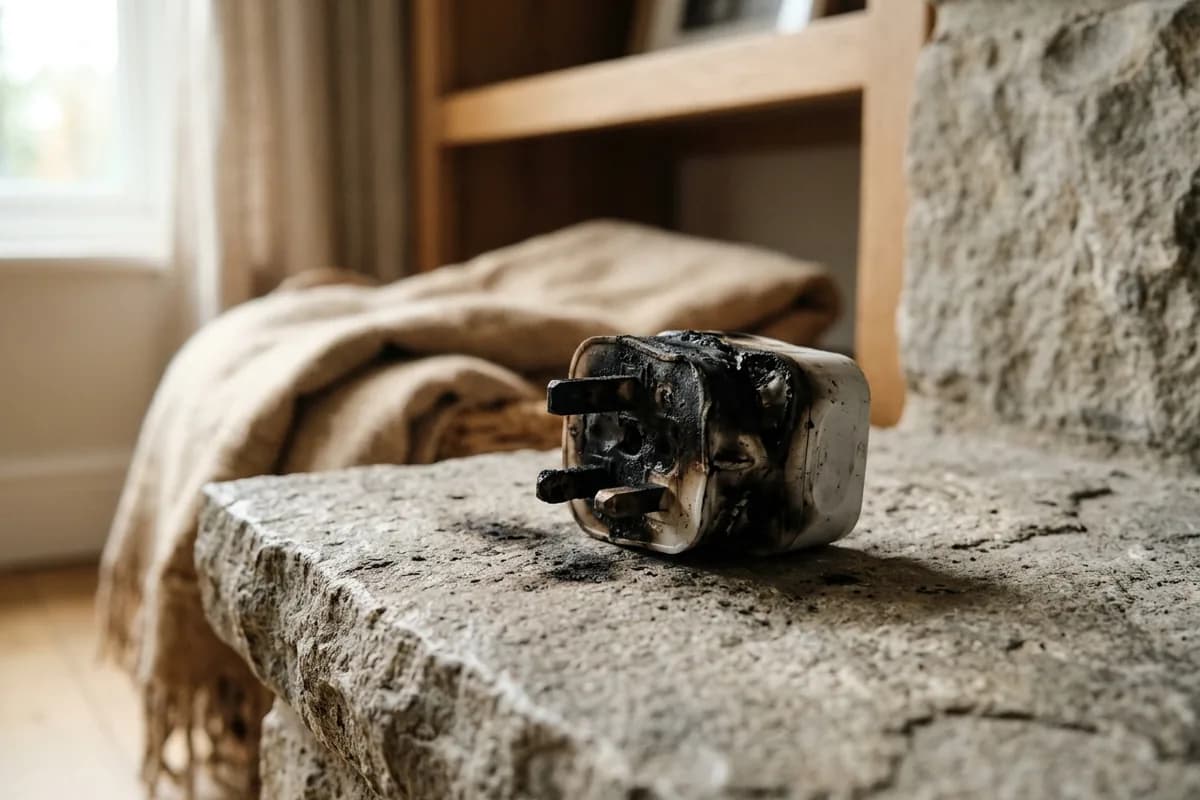
Counterfeits skip the safety testing genuine products go through, which matters most for cosmetics, chargers and toys. Reports by the OECD and the EU Intellectual Property Office have also linked counterfeit trade to organised crime.
Next up
How to spot a fake listing before you pay
3 min read
Related reading
Buying safely
How to protect your money when you buy pre-owned: the proof to ask for, the payment methods that protect you and what to do at handover.
Digital IDs
More products now come with chips, QR codes and digital certificates. What these technologies can prove, where they fall short and how to check them safely.