Authentication
How to check toys and collectibles
Designer figures, blind boxes, building bricks and trading cards: the packaging, safety marks, paint and print details that separate genuine toys from fakes.
4 min readUpdated
Why toy fakes matter
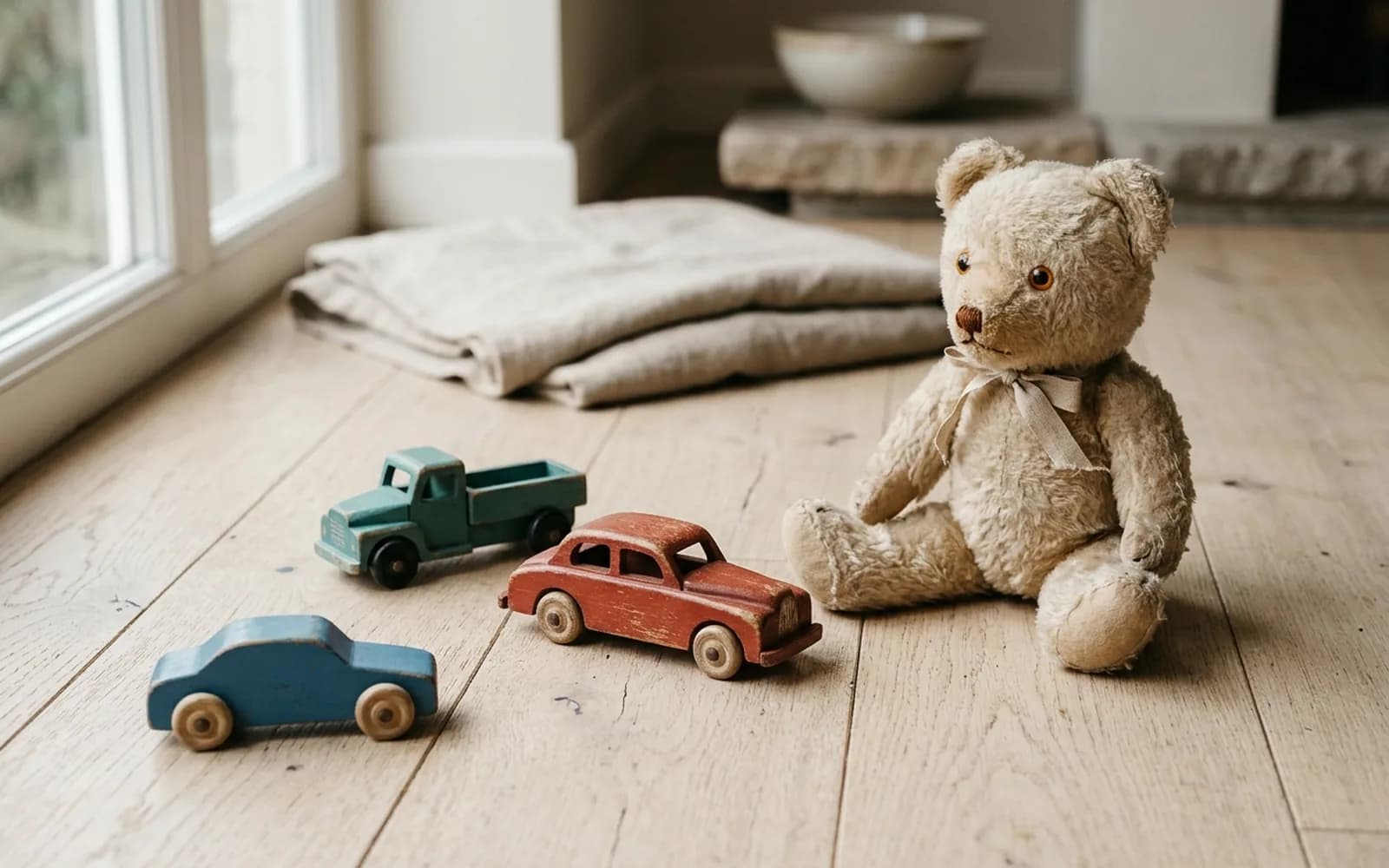
Popular designer figures and collectibles are copied quickly, and fake toys are not only a collecting problem. They skip the safety testing genuine toys go through, so paint, small parts and materials may not be safe for children.
Packaging and labels
The toy itself
Designer figures and blind boxes
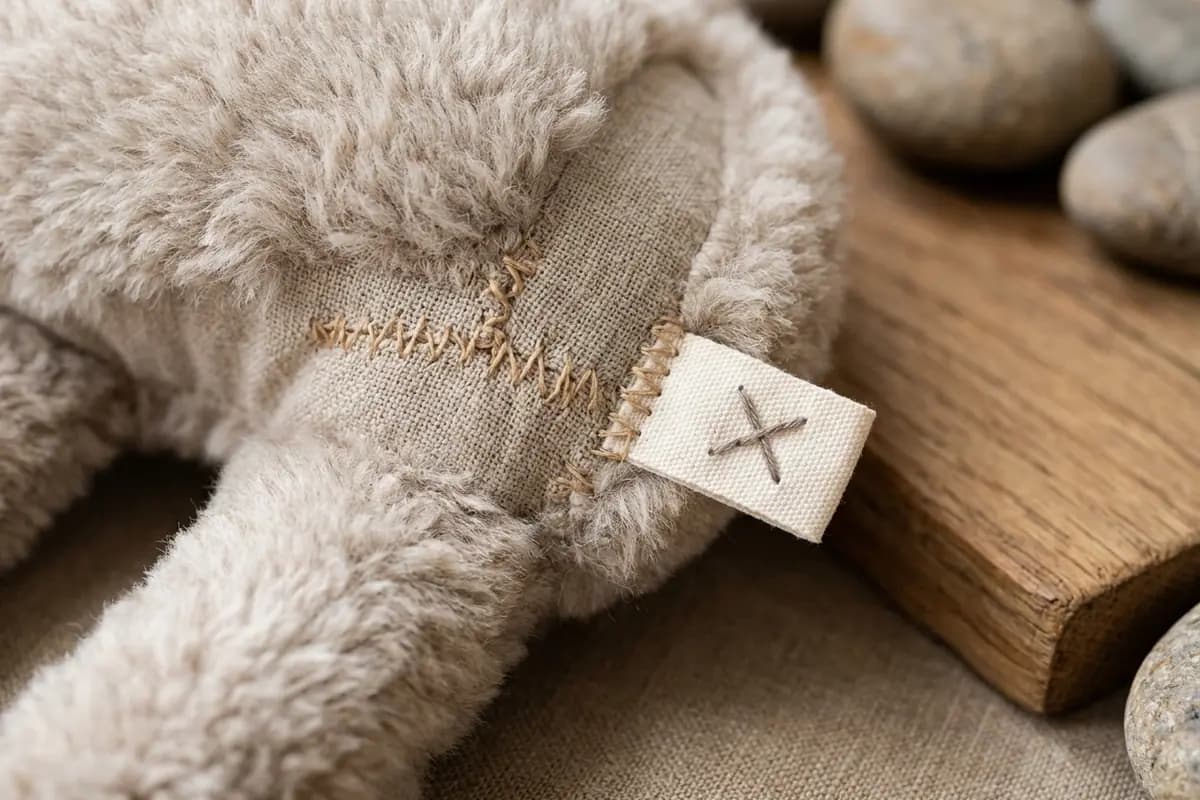
Plush designer figures such as Pop Mart's Labubu became so popular that fakes earned their own nickname. Details collectors check include the face, the feet and the box.
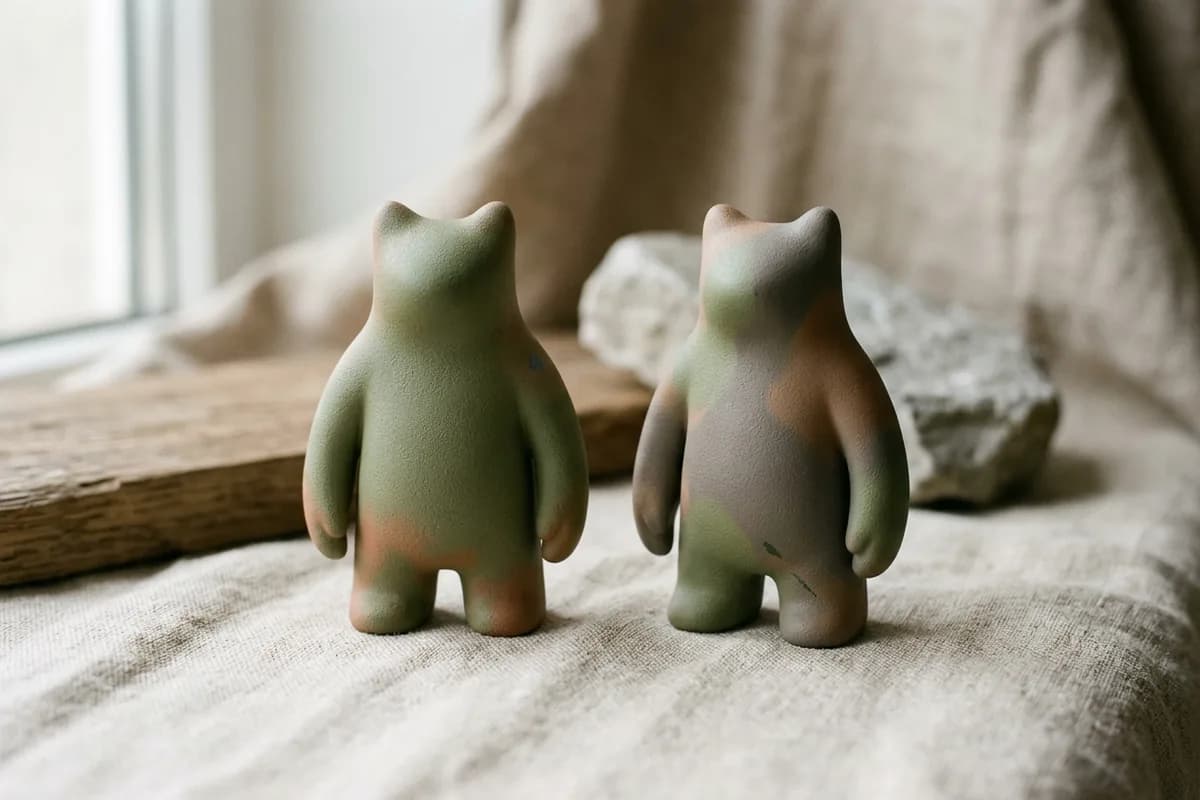
- The face: genuine Labubu figures have nine teeth, and the eyes and mouth are printed cleanly and symmetrically
- The feet and tags: logos and printed details on the soles and tags are sharp and correctly placed
- The box: official boxes have crisp printing and security features from the brand
- The price: a rare or sold-out figure offered cheaply, or in bulk, is a strong warning sign
Building bricks and trading cards
- Genuine LEGO bricks carry the LEGO logo on their studs, and pieces click together firmly with even colours
- Trading cards should have crisp print, the right card thickness and finish, and fonts that match genuine cards of the same set
- Under a loupe, genuine printed cards show a fine, regular dot pattern; fakes are often blurry or too smooth
- Holographic foils should match the pattern used in that set
Photos to take for a check
- The front of the toy, with the face in focus
- The side and the back
- Tags, feet or base markings, close up
- The box, front and back, including any codes and safety marks
Next up
How to spot a fake listing before you pay
3 min read