

How to tell if a Dior bag is real

The interior tag, date code, cannage stitching, D.I.O.R. charms and Oblique embroidery: how to tell if a Lady Dior, Saddle or Book Tote is real.

Authentication8 min readUpdated

A pale grey half-moon leather shoulder bag on a round white pedestal, against a soft blue background.
8 min left
ContentsThe short answer

The short answer

To tell if a Christian Dior bag is real, start inside: the leather tag should be neatly stamped with Christian Dior, PARIS and a country, and on most bags made since the late 1990s the date code should fit the bag's era. Then check the details of the model, such as the cannage stitching and charms on a Lady Dior, the CD hardware on a Saddle or the embroidery on a Book Tote. No single detail proves a bag is genuine, because good fakes copy stamps and codes, so look for a bag where everything agrees.

The interior tag and heat stamp

Almost every Dior bag has a small leather tag sewn inside, usually on the back wall or in a pocket. The front carries a heat stamp with Christian Dior above PARIS. Many bags add MADE IN ITALY or MADE IN SPAIN on the front; others put it on the back, above the date code.
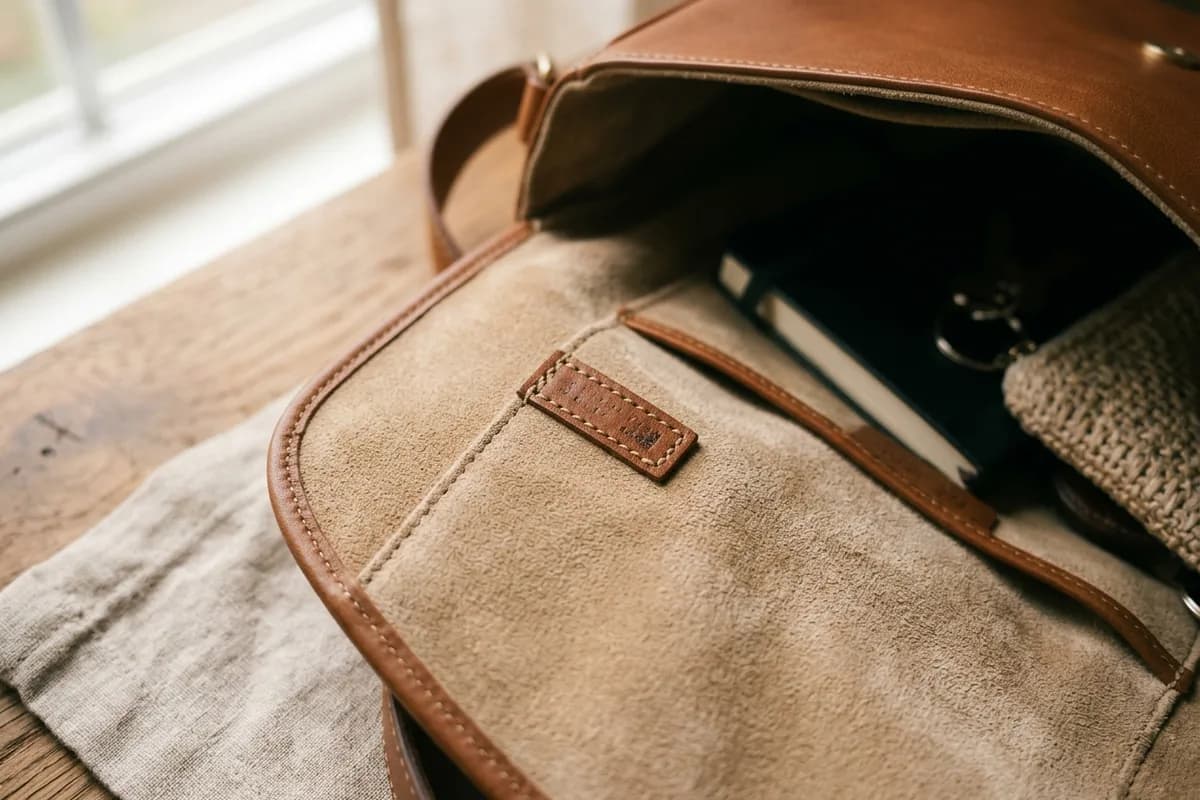
A small stitched leather tab inside a bag with a suede lining
  • The lettering is thin, crisp and evenly pressed, with even spacing; thick, blocky or blurred letters are a warning sign
  • Christian Dior is in upper and lower case with small, neat dots over the i's, and PARIS sits centred below in small, thin capitals
  • The tag has softly rounded corners and is sewn down evenly; on a Lady Dior it is stitched on all four sides
  • Dior handbags have been made in Italy or Spain since about 1990, so a Lady Dior, Saddle or Book Tote stamped MADE IN FRANCE is a red flag, and so is MADE IN PARIS

Date codes: how to read them

On most Dior bags made since the late 1990s, a date code is stamped on the back of the interior tag or on a second small tag in a pocket. It shows when and where the bag was made. It is not a unique serial number, so many bags share the same code.

  • Newer codes have two digits, two letters and four digits, separated by dashes, such as 16-BO-0133
  • Older codes have two letters and four digits separated by a space, such as RU 0928
  • In the four digits, the first and third give the month and the second and fourth give the year: 0133 means March 2013, and 0928 means February 1998
  • The two letters stand for the workshop, and should fit the country stamped on the tag

Lady Dior: cannage, charms and handles

The Lady Dior has been made since the mid-1990s and is widely copied. Fakes often get the cannage pattern right but not the stitching, the charms or the way the handles are fixed.
  • The cannage quilting is centred on the front and back, and the stitches are small, straight and even, in thin thread that matches the leather on most bags
  • The D, I, O and R charms hang from the front handle on small rings shaped like a figure of eight, and the large O sits behind the other letters
  • The O rests against a round piece of leather embossed CHRISTIAN DIOR
  • The handles are stiff and held by large rings through grommets, so they can tip forwards or backwards but should not flop to the side
  • The grommets carry small engraved marks that look like screw heads; blank or sloppy grommets are a warning sign
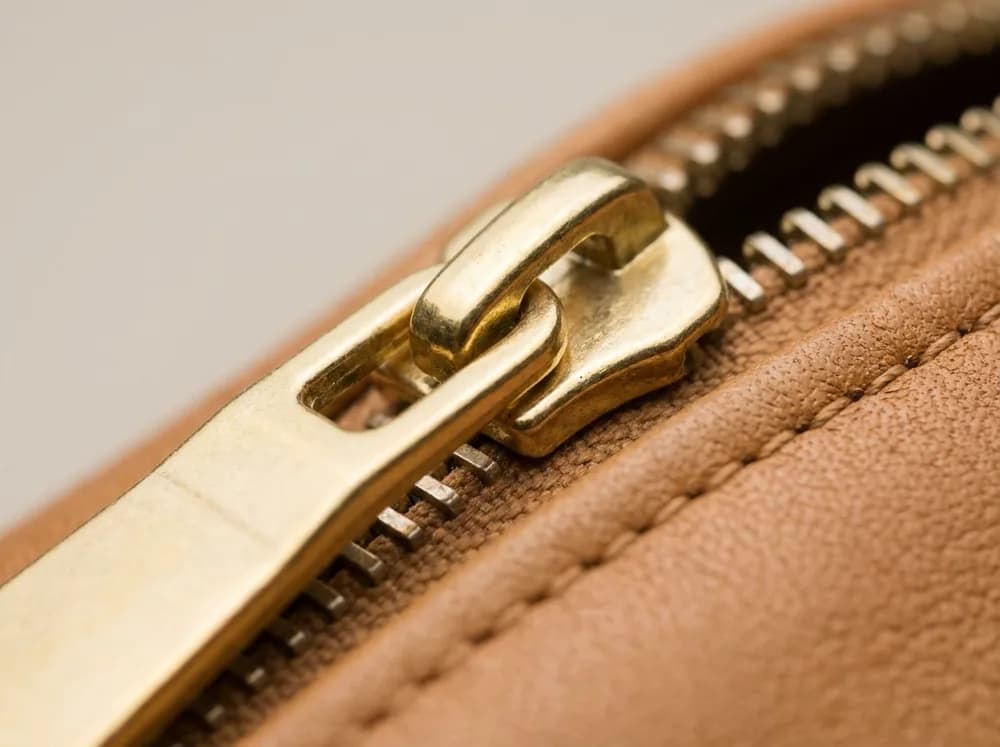
  • On many zip-top bags, the oval CD charm hangs from the zip on a short chain of four links
A gold-tone zip pull on tan leather, up close

Saddle bag: the D and the CD charms

The Saddle was designed by John Galliano around 2000 and brought back by Maria Grazia Chiuri in 2018. The hardware differs between the two eras, so first work out which one you are looking at.

  • The D on the flap feels heavy and solid; on Galliano-era bags it has a small CD engraving on its left leg and sharp serifs, while on reissues it is not engraved and has bold, rounded serifs
  • Separate C and D charms sit on either side of the strap, and the wavy link that joins them is engraved Christian Dior on the back
  • The closure tab sits flat against the front; reissues close with a hidden magnet, and many older bags with a hook-and-loop strip
  • The opening does not run all the way to both sides of the bag
  • The flap edge is finished with neat piping, not just painted

Book Tote and Oblique embroidery

The Book Tote was launched in 2018 and is mostly made of embroidered canvas, with some versions in leather. On the canvas versions, the embroidery is the first thing to check.
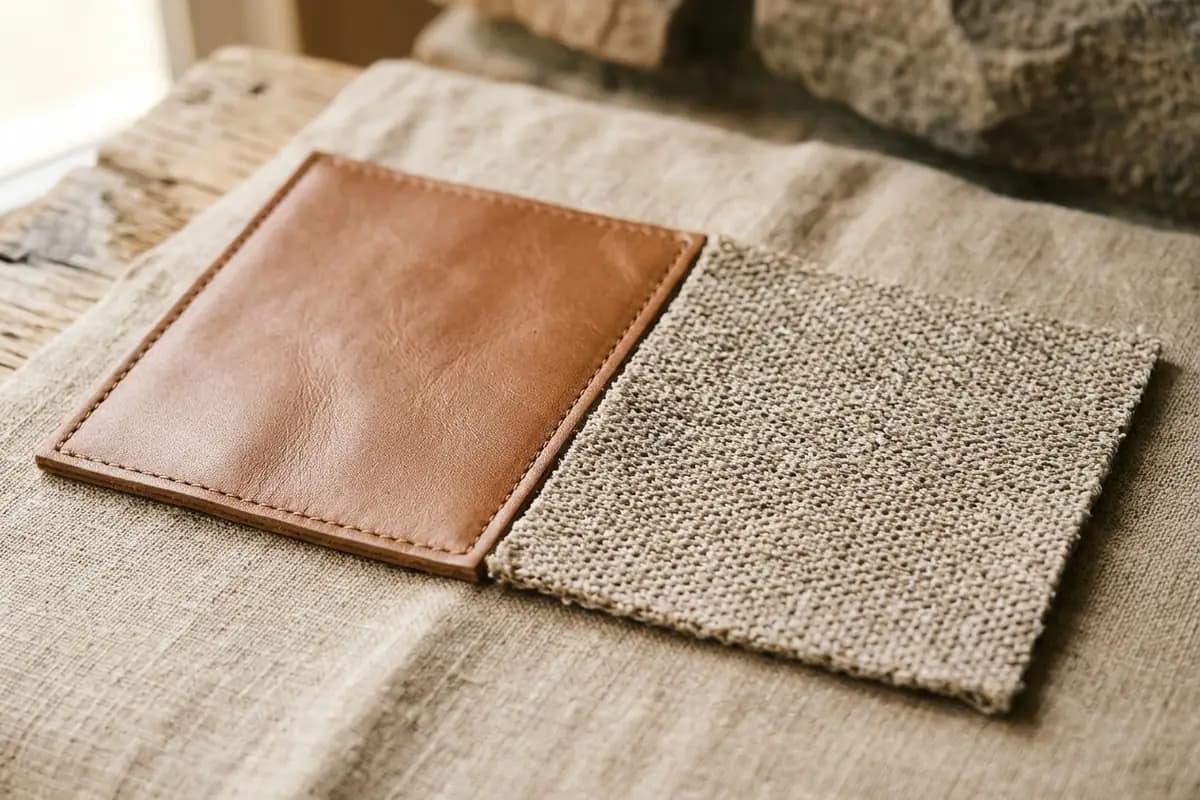
A smooth leather panel beside a piece of woven fabric
  • The Oblique pattern and the CHRISTIAN DIOR lettering are embroidered: run your fingers over them and you should feel dense thread, not a flat print
  • The letters are evenly spaced and in proportion; squashed letters, or embroidery that looks too thin or too heavy, are warning signs
  • The stitching is tight and even in colour, and the canvas colour is rich, not pale or washed out
  • The tote stands straight, with straight handles and crisp corners at the base, and its size matches Dior's measurements for that model
  • Inside, the leather tag has a clean, even foil stamp, with the made-in line and a code on the tag

Photos to take for a check

Use daylight or even indoor light, with no flash and no filters. These are the shots that carry the most evidence:
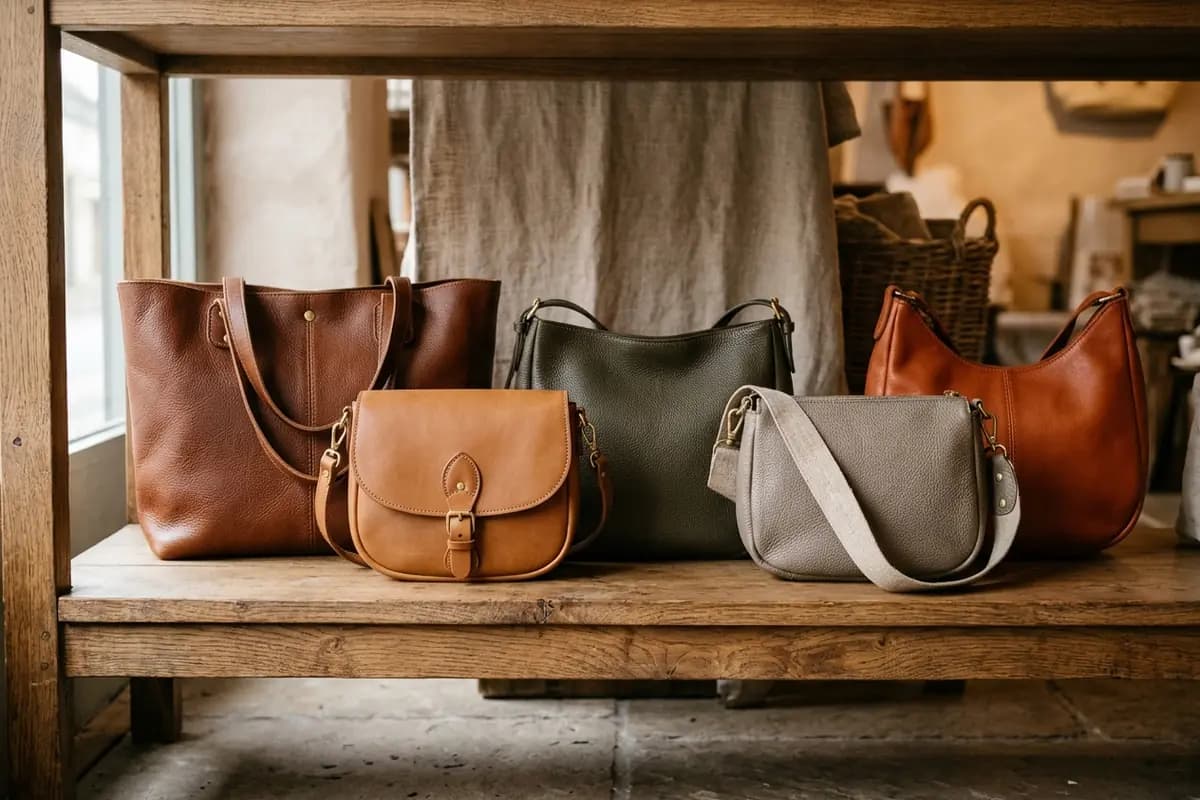
The front of the bag, straight on
The base, its corners and any feet
Inside, with the leather tag
Cards, tags and the dust bag
  1. Add close-ups of both sides of the interior tag, the charms or the flap D, and a stretch of stitching or embroidery
  2. Run a quick VerifAI check for a first verdict and the key findings
  3. For an expensive bag, use Deep VerifAI: it reads up to 8 photos and gives you a full report and a certificate you can share

Was this helpful?