How to tell if Nike Dunks are fake

Box label, size tag, toe box, Swoosh, heel tab, tongue, insole and sole: how to tell if Nike Dunks are fake, including Panda Dunk Lows and SB Dunks.

Authentication7 min readUpdated

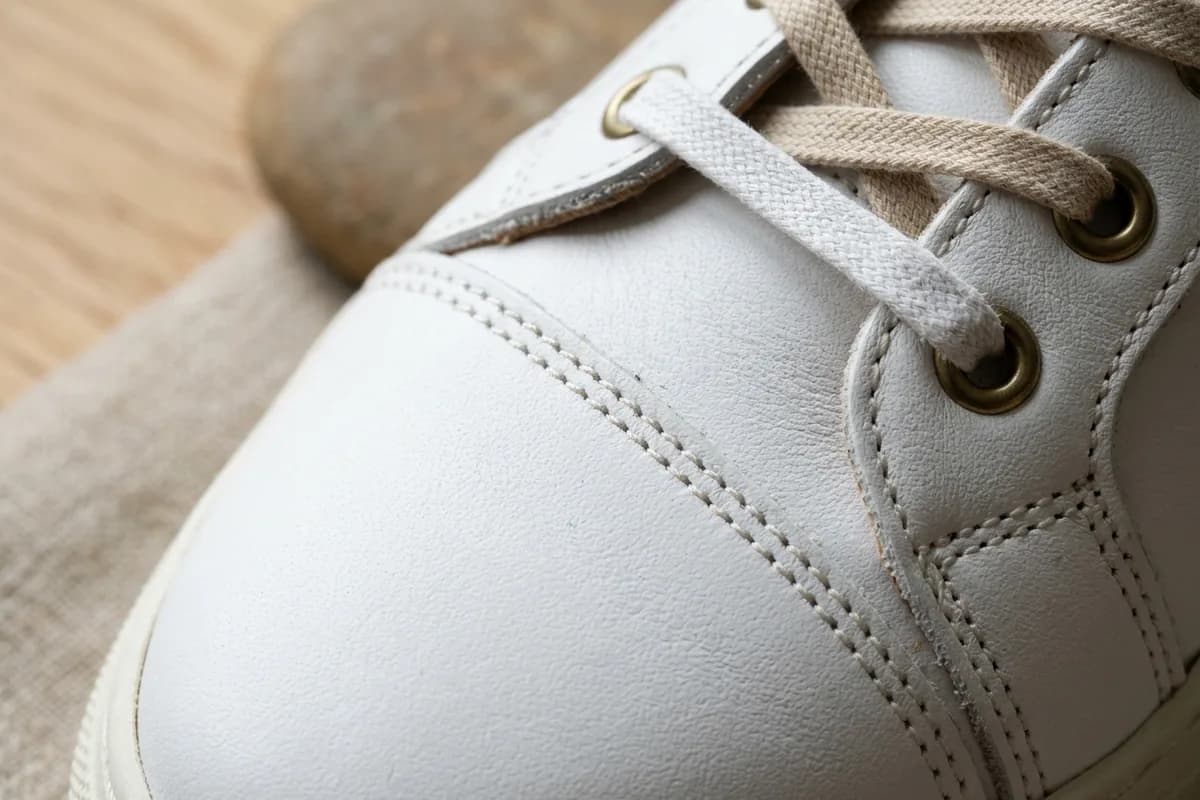
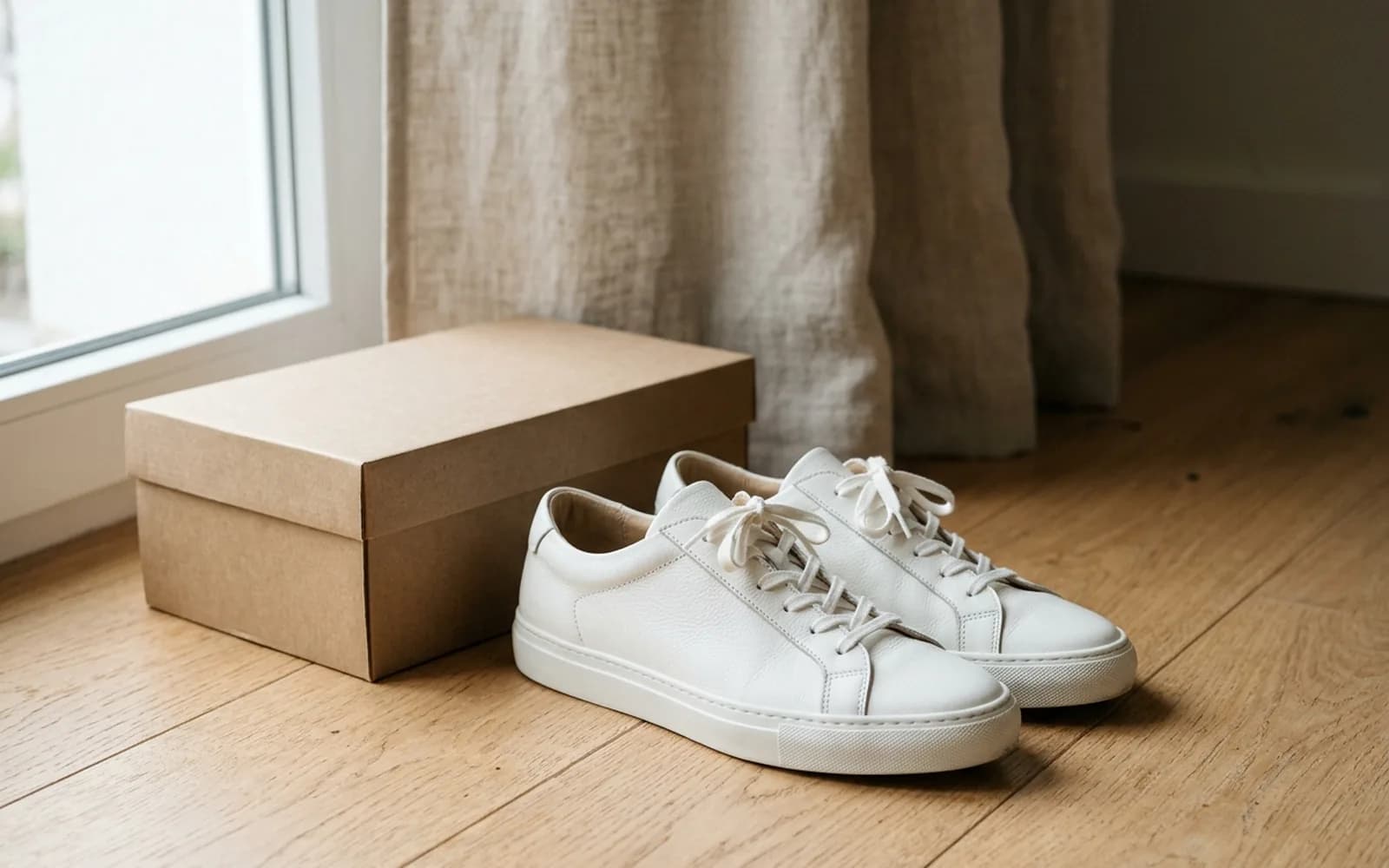
The toe of a white leather sneaker up close, with its stitching and lace eyelets.
7 min left
ContentsThe short answer

The short answer

To tell if Nike Dunks are fake, start with the box label and the size tag inside each shoe: they should carry the same style code and size. Then compare the toe box, the Swoosh, the heel tab, the tongue and the stitching with a genuine pair of the same release. Dunks are among the most faked sneakers and good fakes copy labels, so look for details that all agree, not one perfect detail.

Price and seller

Popular colourways such as the black-and-white Panda Dunk Low have been restocked many times, so they are easy to buy in shops. A new pair far below the shop price is a red flag, not a bargain.

  • The price is in line with recent sold prices for that colourway and size
  • The seller can send new photos of this exact pair, including the box label and size tags
  • The listing does not mention “replica”, “1:1”, “UA” or “reps”
  • A new pair comes in its own box; one sold without a box for no clear reason deserves a closer look

Box label and size tag

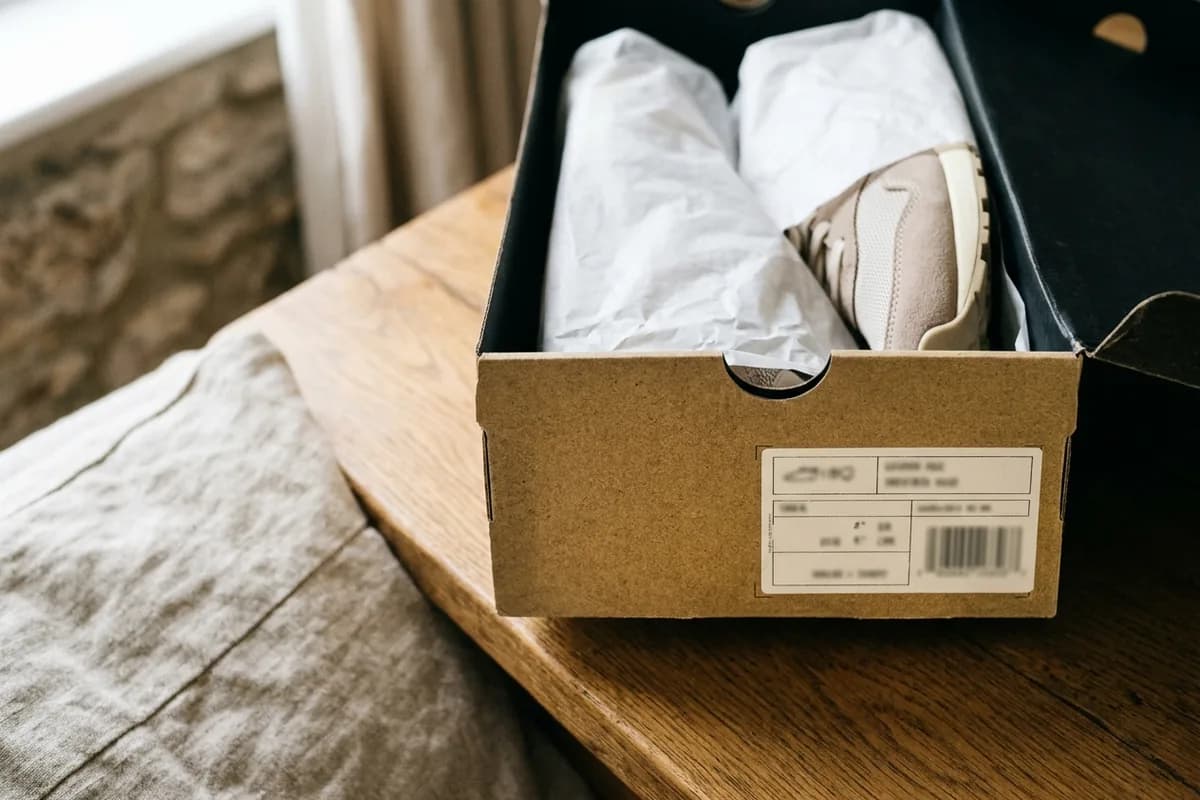
The label on the end of the box and the size tag inside each shoe carry the same details. Fake factories often get them out of step, so put them side by side.

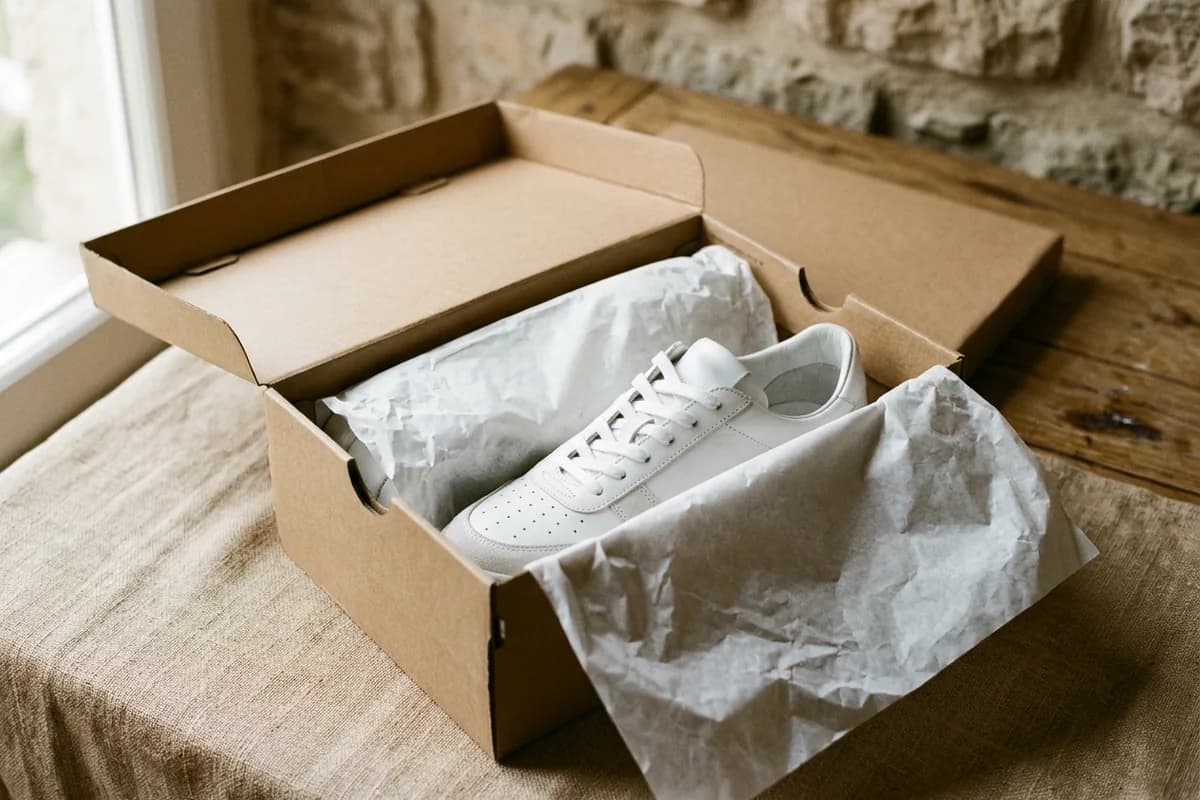
The label on the end of a shoe box, with the shoes inside in tissue paper
  • The style code matches on both; on recent Dunks it looks like DD1391-100, the model part followed by a three-digit colour code
  • Searching the style code brings up exactly this model and colourway
  • The size matches in every size system printed
  • The production dates on the size tag, printed as a range, end before the release date
  • Both shoes have a size tag with the same style code and size

Toe box and perforations

Shape is the hardest thing to copy, because it comes from the brand's own lasts. Look at the shoe from the side and from the front, next to photos of a genuine pair of the same release.

  • The toe box slopes down smoothly to the tip; on many fakes it is tall and boxy, or flattened
  • The perforations on the toe are cleanly punched, the same size and evenly spaced in a regular pattern
  • The stitching around the toe panel follows its edge at an even distance, with no wobbles or gaps

Swoosh and heel tab

  • The Swoosh is a smooth curve with a sharp tip, the right size for the panel and placed where it sits on genuine pairs; on fakes it is often too thick, too short or set too high
  • The stitching around the Swoosh runs close to its edge and stays even, with no double rows
  • On most Dunk Lows, NIKE is embroidered on the heel tab: the letters are the same height, evenly spaced, not touching and centred on the tab
  • Seen from behind, the heel stands straight, and the panels and stitching on both sides mirror each other

Tongue and tongue tag

Most general-release Dunk Lows have a fairly thin nylon tongue with a woven NIKE tag; SB Dunks usually have a thick, padded tongue with a Nike SB tag. Check what your exact release should have.

  • The lettering and the Swoosh on the tag are evenly woven, with clean edges and a clear ® symbol
  • The letters do not touch or blur into each other
  • The tag is sewn on straight, with even stitching all round
  • The tongue sits the same way on both shoes

Insole, stitching and smell

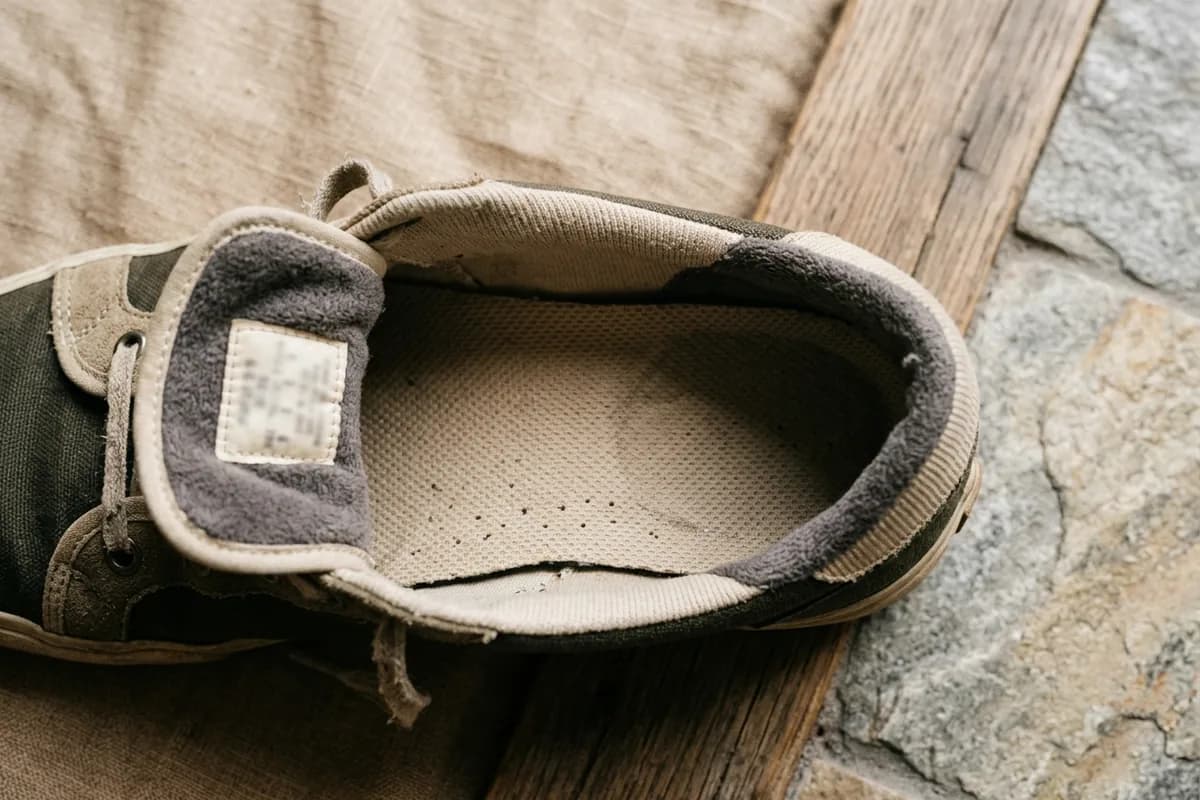
Inside a sneaker: the insole, the lining and the size tag
  • On a new pair, the insole print is crisp and centred, and both insoles match
  • Under the insole, the stitching is tidy rather than buried in glue
  • Stitching on the upper is straight and evenly spaced, with the same stitch length along every panel
  • There is no harsh chemical or glue smell when you open the box

The sole

  • The tread is deep and crisp and identical on both shoes, with a cleanly moulded pivot circle under the ball of the foot
  • The stitching around the sole is even, and the midsole edge is clean, with no glue marks
  • Where the sole has two colours, they meet in a clean line instead of bleeding into each other
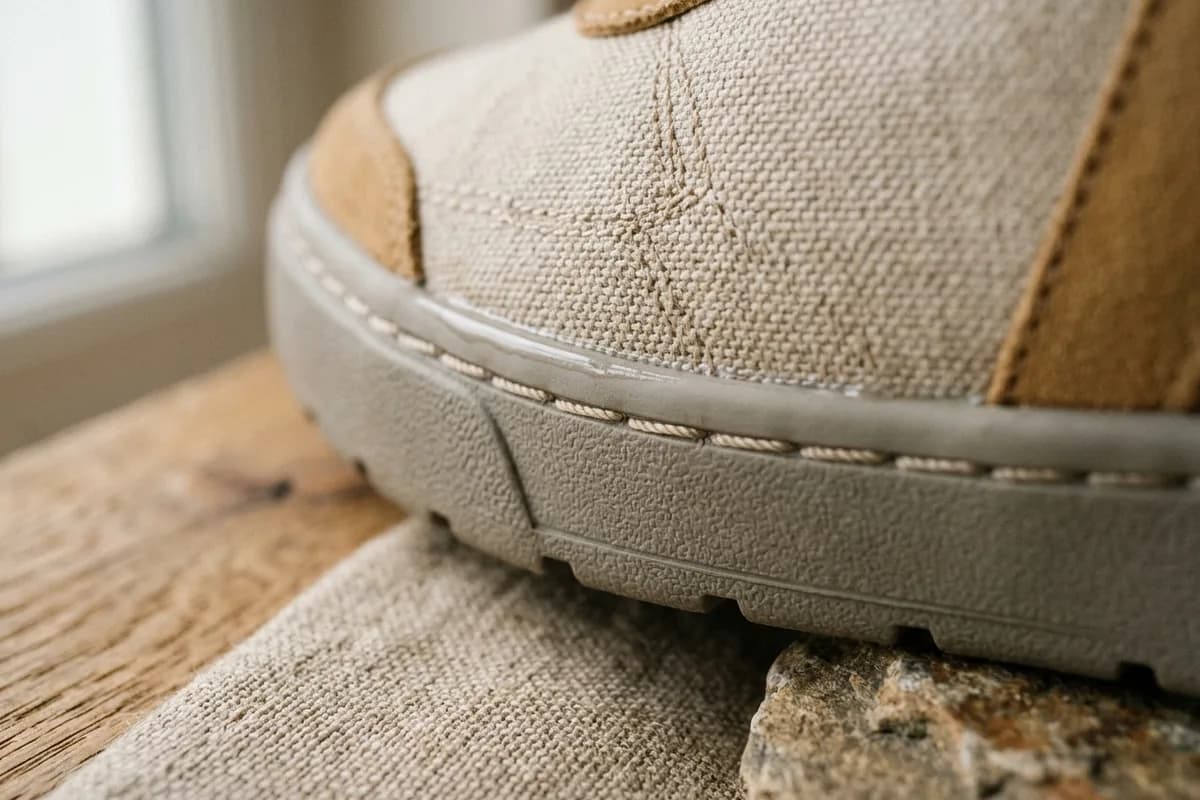
The rubber sole of a sneaker, with its sidewall stitching and tread

Photos to take for a check

Use daylight or even indoor light and no filters. These are the shots that carry the most evidence:

The full side of the shoe
The tongue tag up close
The size tag, with the code readable
The box label beside the shoe
  1. Add the toe box, the heel tab straight on, the insole and the sole
  2. Run a quick VerifAI check for a first verdict and the key findings
  3. For an expensive pair, use Deep VerifAI: it reads up to 8 photos and gives you a full report and a certificate you can share

Was this helpful?