
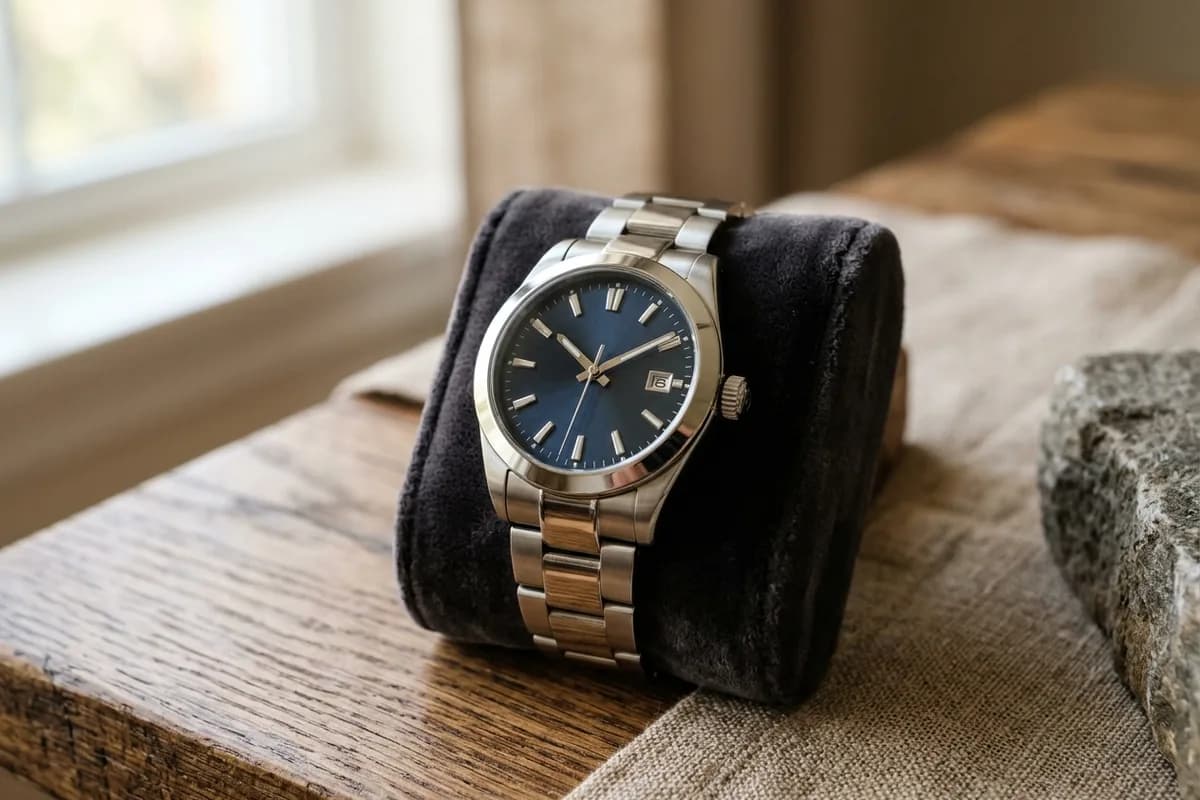
How to tell if an Omega is fake

Serial and papers, movement, Seamaster valve and bezel, Moonwatch pushers and the MoonSwatch: how to tell if an Omega is fake before you buy.

Authentication7 min readUpdated
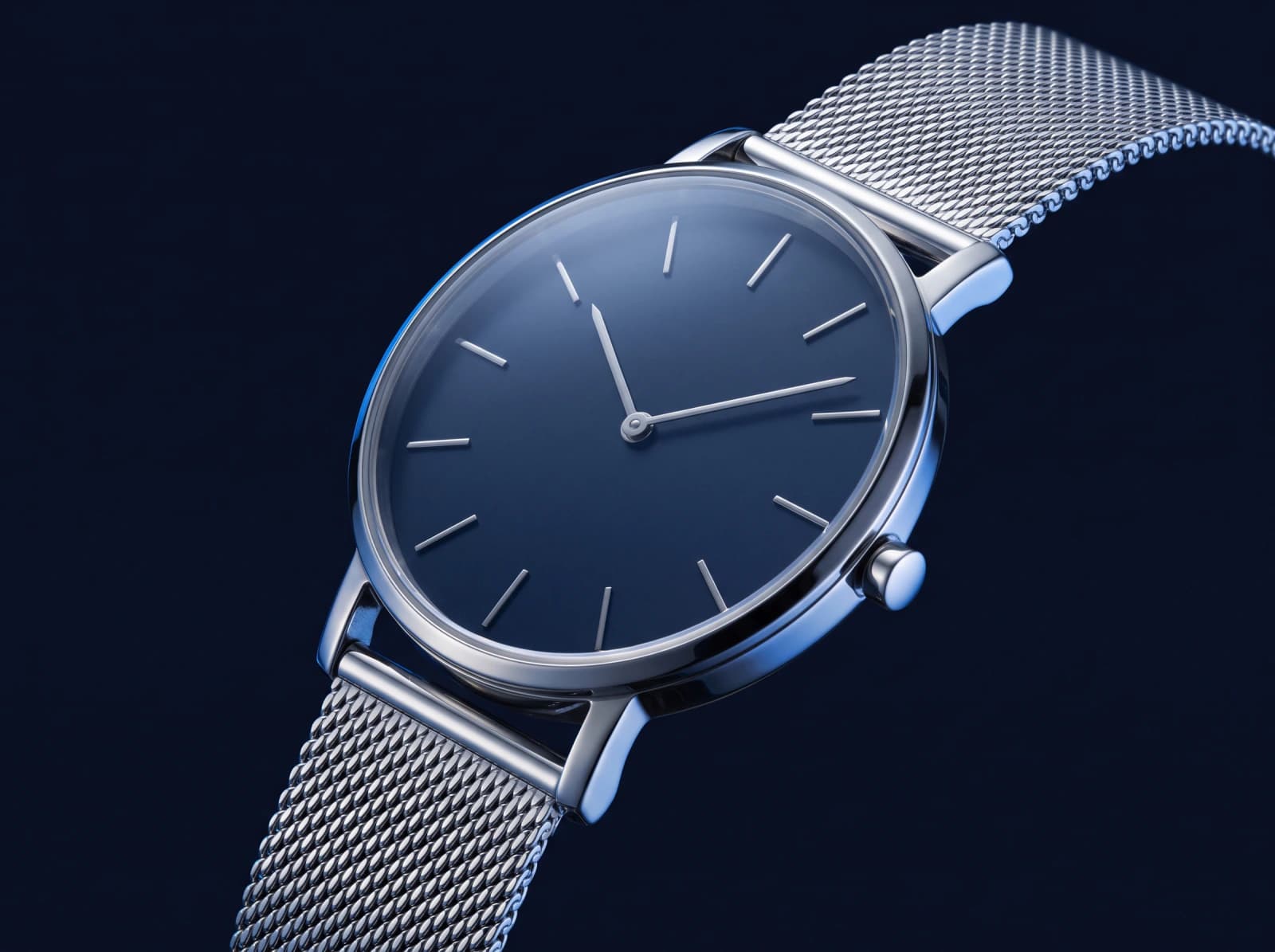
A steel watch with a dark blue dial, slim baton markers and a steel mesh bracelet, against a deep blue background.
7 min left
ContentsThe short answer

The short answer

To tell if an Omega is fake, check that the serial number on the case matches the warranty card, that the movement and the seconds hand behave the way the exact model should, and that the crystal, bezel, crown, case back and dial printing match genuine photos of the same reference. Good fakes copy many of these details, so no single sign is proof. For an expensive Omega, buy from an Omega boutique or authorised dealer, or have a watchmaker open the case.

Serial number and warranty card

Modern Omega watches carry a seven- or eight-digit serial number, laser-engraved on the outside of the case, most often on the back of a lug. On older watches it is on the movement, so you only see it with the case back open.
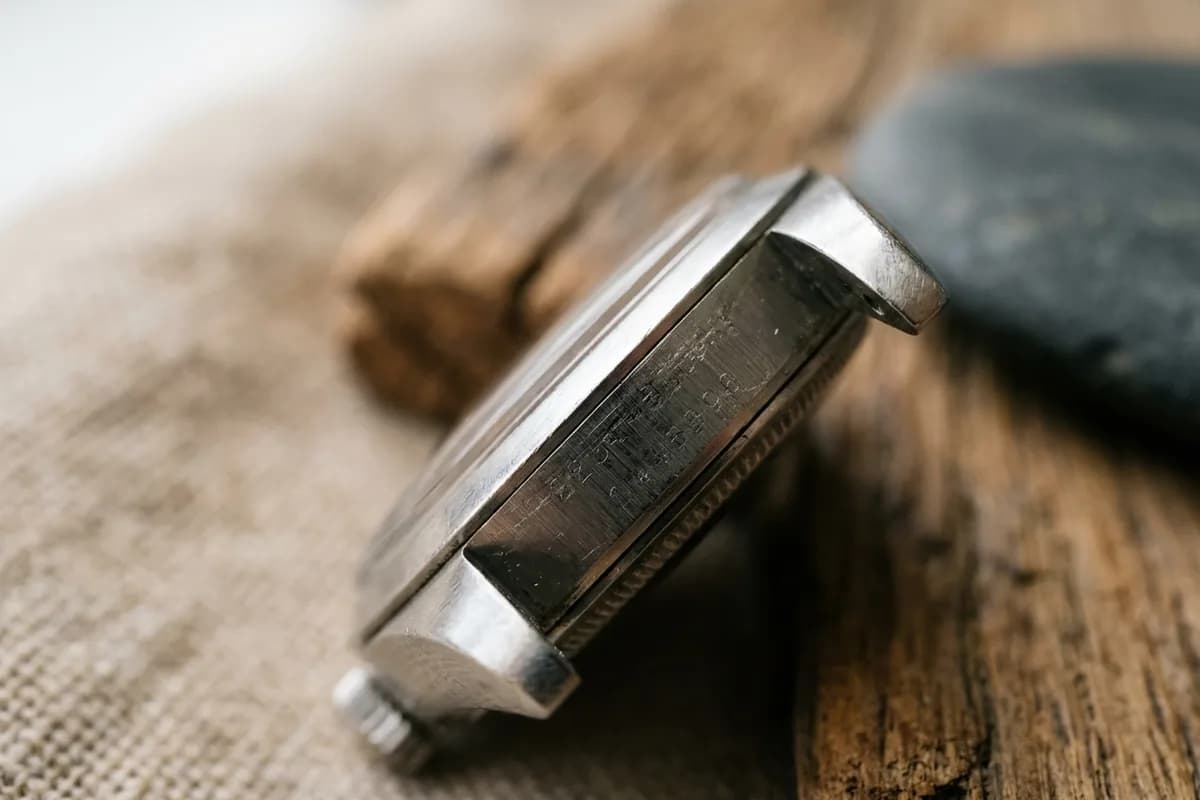
Engraving on the side of a watch case, near the lugs
  • The serial is fine, even and sharp, not shallow, blurry or in a crude font
  • The serial on the case matches the warranty card exactly
  • The reference on the card matches the model, dial, bezel and bracelet in front of you
  • Master Chronometer models also come with a certificate card; its number lets you look up that watch's test results on Omega's website

The movement and the seconds hand

Omega makes automatic, hand-wound and quartz watches, so first find out which movement the exact reference should have.
  • Automatic and hand-wound Omegas move the seconds hand in small, fast steps, so it looks like a smooth sweep
  • Quartz Omegas, such as some Seamaster, Constellation and De Ville models, tick once a second, and that is normal for them
  • A seconds hand that ticks on a model that should be mechanical is a strong warning sign
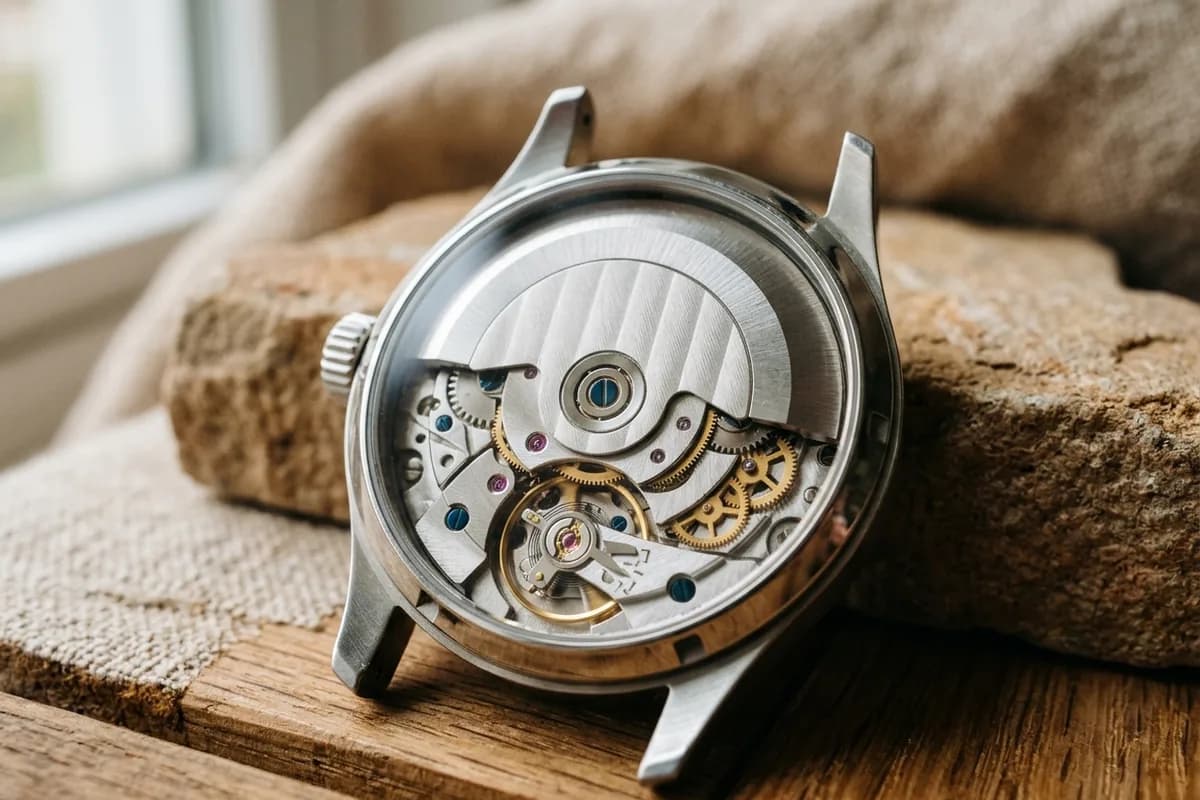
  • Many current models have a see-through case back showing an Omega Co-Axial movement with fine, even decoration and crisp engraved text; rough finishing or a plain, undecorated movement is a red flag
A see-through case back showing an automatic movement

Seamaster: valve, bezel and dial

The Seamaster Diver 300M is one of the most copied Omegas. Check these details against photos of the same reference:

  • The helium escape valve on the left of the case, near 10 o'clock, is a small, neat crown that screws in and out smoothly; on many fakes it is glued on or purely decorative
  • The diving bezel turns one way only, with firm, even clicks, and its markings line up with the minute track on the dial
  • On the ceramic-dial models launched in 2018, the waves on the dial are laser-engraved and crisp, and the case back has a sapphire window
  • Many earlier Diver 300M models have a solid case back, often with an engraved seahorse emblem, so check which back your reference should have

Speedmaster: crystal, pushers and subdials

The Speedmaster Professional, or Moonwatch, is a hand-wound chronograph: there is no rotor, and you wind it by turning the crown. Its layout gives fakes several chances to slip.

  • The small seconds hand in the subdial at 9 o'clock runs all the time
  • The large centre hand belongs to the chronograph and stays at 12 until you press the top pusher
  • Both pushers work: the top one starts and stops the chronograph, the bottom one resets it to zero; stiff, dead or decorative pushers are a clear warning sign
  • The classic version has a domed acrylic crystal called Hesalite, and many have a tiny Omega symbol on its inside near the centre that shows when you tilt the watch; some genuine crystals lack it, so treat it as one clue only

MoonSwatch: a different watch

The MoonSwatch is made by Swatch in collaboration with Omega and was launched in 2022. It has a Bioceramic case and a quartz movement, so a ticking seconds hand is normal here, and it has no Omega serial number or Omega papers.

  • It is sold by Swatch, mainly in Swatch stores, not by Omega boutiques or Omega dealers
  • The battery cover on the back shows a crisp, correctly coloured image for that model's mission and sits neatly in the case; a blurry print, wrong colours or a cover that does not open are warning signs
  • The model name matches a real release, such as Mission to the Moon or Mission to Mars, and the case, dial and strap colours match that release
  • Printing on the dial and case back is sharp and evenly spaced, and the logo on the crown is cleanly engraved, not shallow or raised

Case, bracelet and finishing

Genuine Omega cases, bracelets and dials are finished to a high standard. Use a loupe or your phone's zoom.
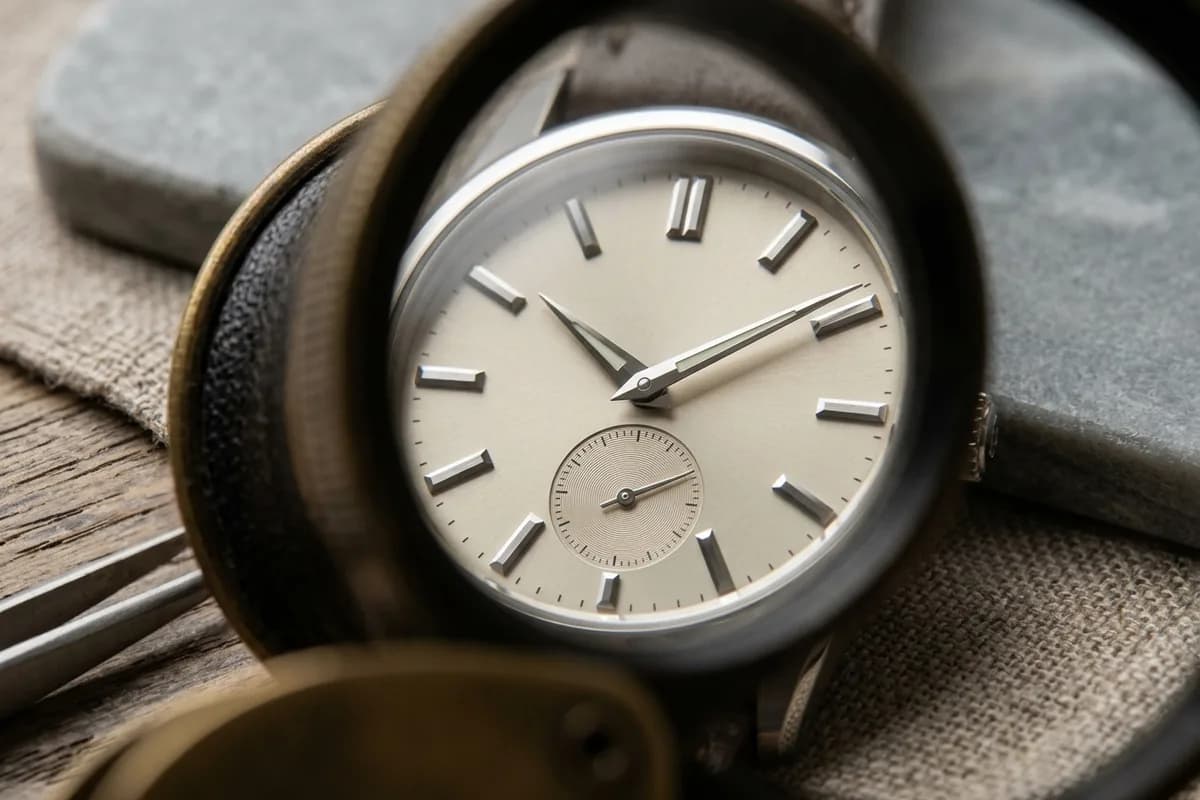
A watch dial seen up close through a loupe
  • Brushed and polished surfaces meet in clean, sharp lines
  • The Omega symbol on the dial is neatly applied and perfectly symmetrical
  • Dial printing is sharp under magnification, with no fuzzy edges or uneven letters
  • Bracelet links feel solid, and the clasp closes firmly and carries crisp engravings

Photos to take for a check

Turn off the flash and tilt the watch slightly so glare does not hide the printing. These shots carry the most evidence:
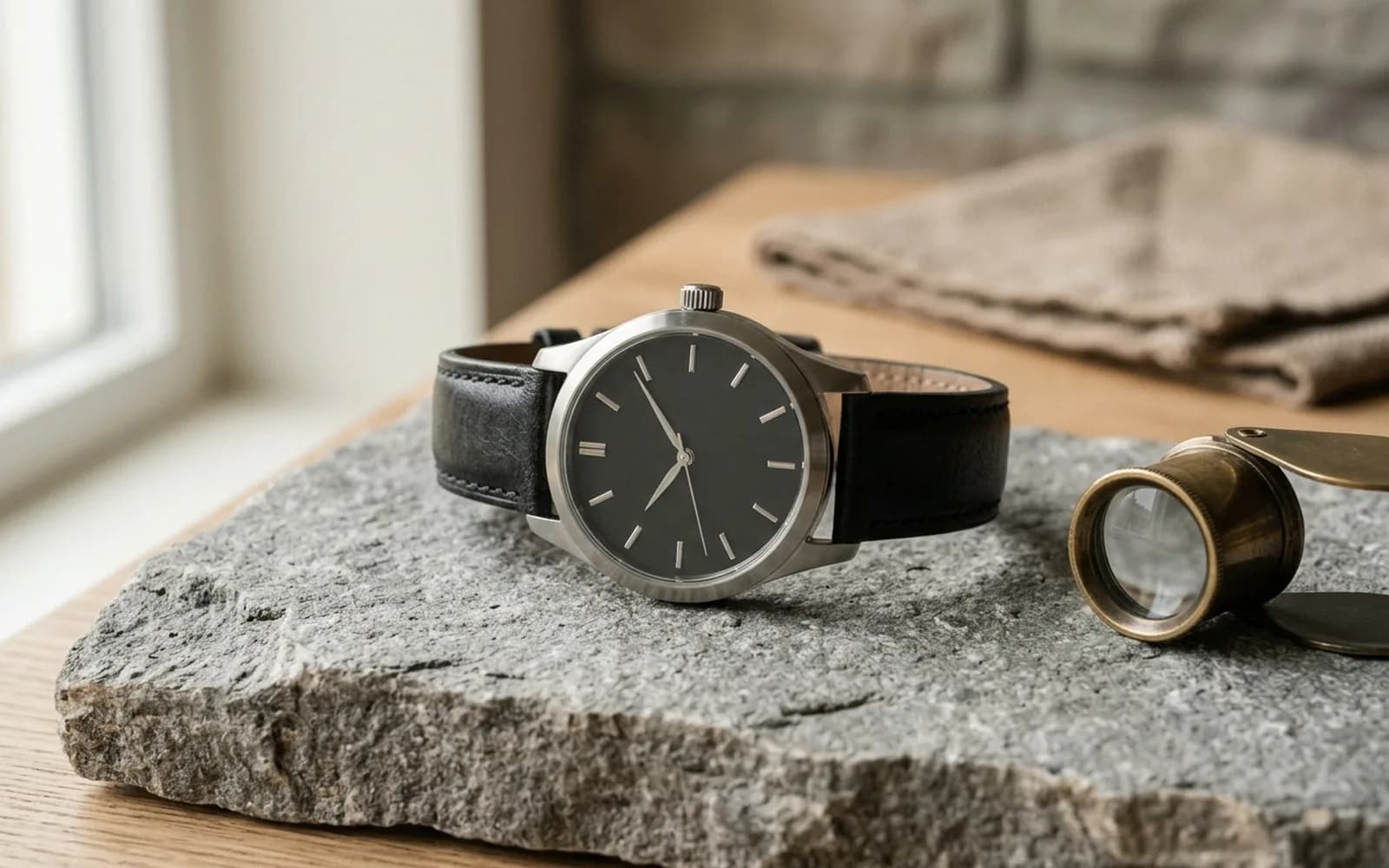
The dial, straight on
The whole watch and bracelet
The case back
The watch at an angle, with the crown
  1. Add close-ups of the serial on the lug, the crystal at an angle, the clasp, the warranty card and, on a MoonSwatch, the battery cover
  2. Run a quick VerifAI check for a first verdict and the key findings
  3. For an expensive watch, use Deep VerifAI: it reads up to 8 photos and gives you a full report and a certificate you can share

Was this helpful?