
How to read a Louis Vuitton date code

Where to find a Louis Vuitton date code, a chart of the formats from the 1980s to 2021, and how to check a code yourself instead of trusting a lookup site.

Authentication7 min readUpdated

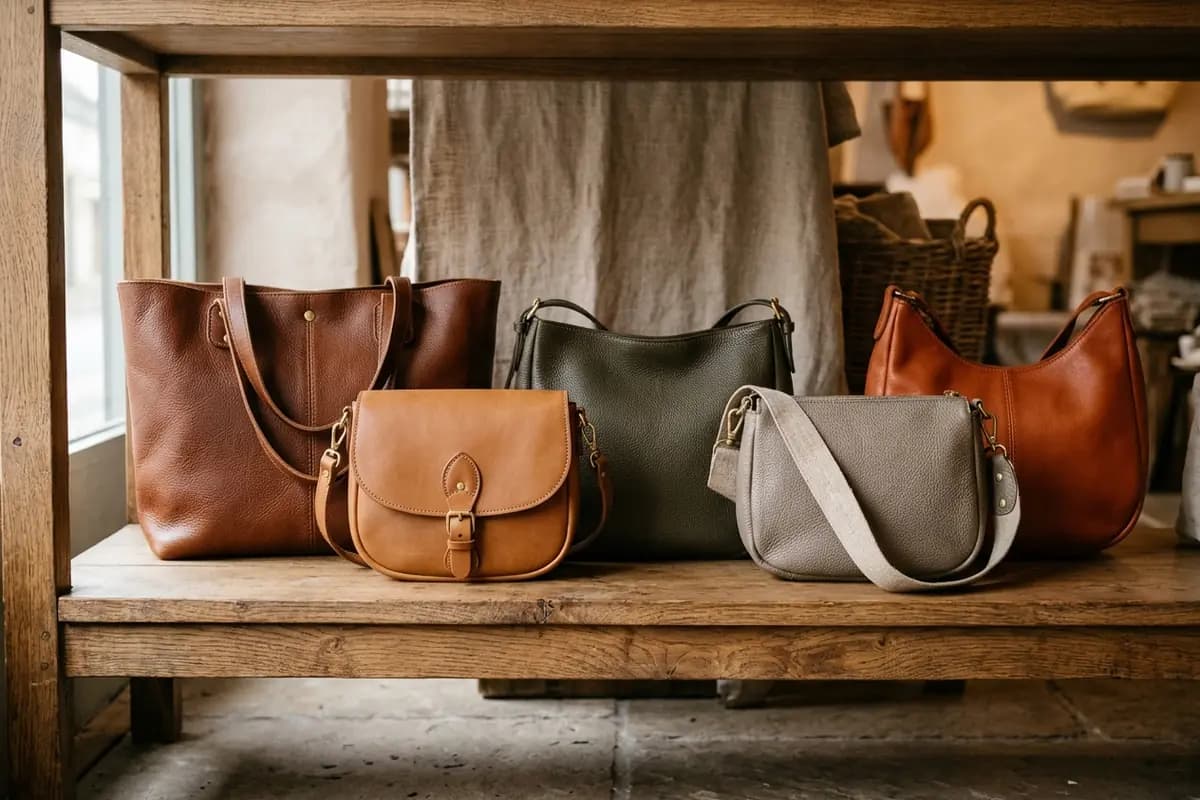
A brown leather shoulder bag on a wooden table, beside a phone and a small magnifying loupe.
7 min left
ContentsThe short answer

The short answer

A Louis Vuitton date code is a short stamp of letters and digits that shows where and when a piece was made. The letters stand for the workshop, and the digits give the year and the month or week. Codes were used from the early 1980s until chips replaced them during 2021. A date code is not a serial number and does not prove a bag is genuine: use it to check that the year fits the model and the country fits the heat stamp.

Where to find the date code

Date codes are small, usually pressed into leather or the lining without any colour, and easy to miss. Hold a torch at an angle so the characters cast a shadow.
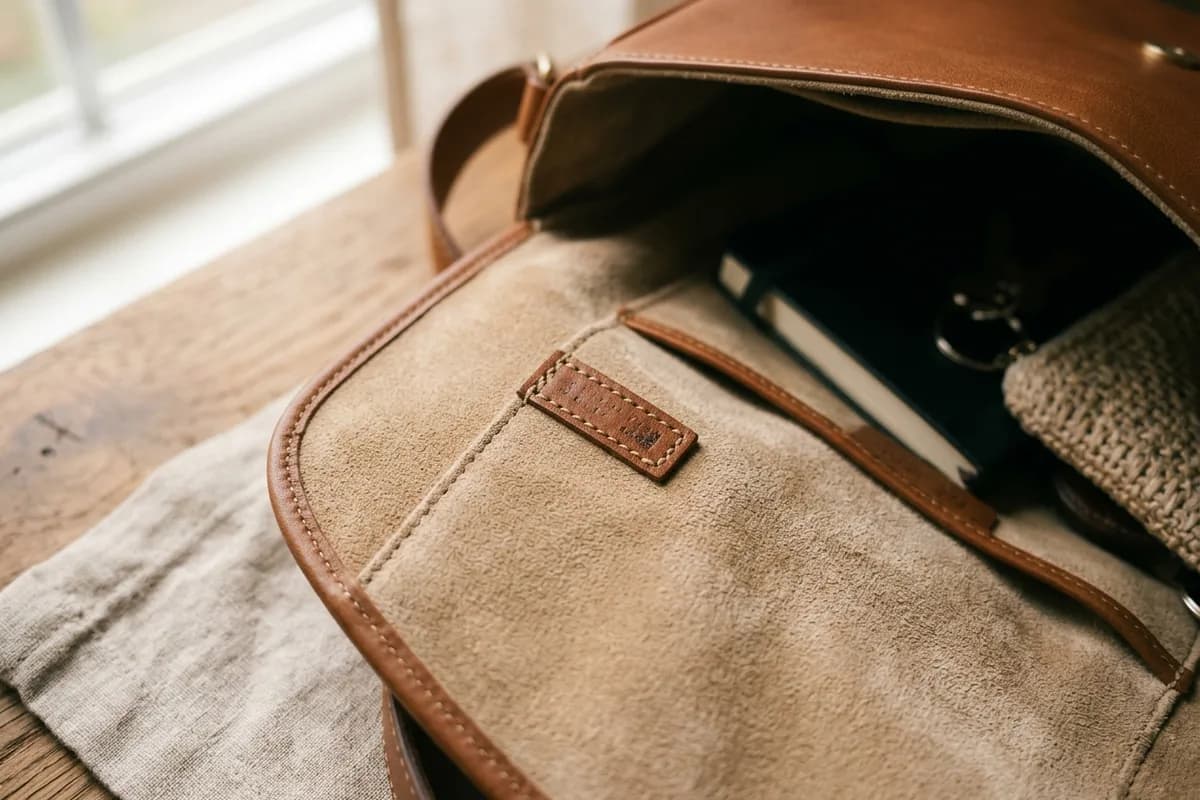
A small stamped leather tab sewn inside a bag
  • On a small leather tab sewn inside, often in a pocket or along a side seam
  • Pressed into the leather or lining along the top inside edge
  • Inside the interior pocket on many totes, such as the Neverfull
  • On wallets and small leather goods, inside a card slot, the coin pocket or along a fold
  • On belts, on the inside of the strap

Date code chart: the formats by era

The format changed several times, so first work out which era a code belongs to. Louis Vuitton does not publish a key: these are the formats collectors and authenticators have worked out from genuine pieces, and sources differ by a year or two on when each change happened.

  • Before the early 1980s: no date code, so a vintage piece without one is normal
  • Early 1980s: three or four digits only; the first two give the year and the rest the month, so 841 means January 1984
  • Mid to late 1980s: the same digits plus two letters for the workshop, placed before or after the digits
  • About 1990 to 2006: two letters and four digits; the 1st and 3rd digits give the month and the 2nd and 4th the year, so in a code ending 1015, the two 1s make November and the 0 and 5 make 2005
  • About 2007 to 2021: two letters and four digits; the 1st and 3rd digits now give the week of the year, so in a code ending 4157, the 4 and 5 make week 45 and the 1 and 7 make 2017
  • From 2021: no date code, because an NFC chip inside the item replaces it

The letters: where it was made

The two letters stand for the workshop, and so the country, where the piece was made. There are dozens of them, the brand does not publish the list, and new ones have been added over the years. Collectors' lists agree on many of the common ones:

  • AR, DU, SP and TH are among the codes used in France
  • CA is a common code for Spain
  • Some letters, such as FL and SD, have been used in both France and the USA
  • Other codes belong to workshops elsewhere, for example in Italy

What matters is that the letters agree with the made in line of the heat stamp. A French workshop code on a bag stamped made in Spain is a red flag, unless the letters are among those used in both countries.

How to check a date code yourself

Online date code checkers and lookup sites apply the same rules as the chart above. Louis Vuitton has no public database to look a code up in, and no checker can tell whether a code was copied. You can do the same check in a minute:

  1. Photograph the code in sharp focus with light from the side, and write down every character
  2. Work out the era from the format, then read the year from the 2nd and 4th digits
  3. Check that the month is between 01 and 12, or the week between 01 and 53
  4. Check that the year falls when the model was actually made: after its launch, and no later than 2021
  5. Check that the country of the letters matches the made in line of the heat stamp
  6. Look at the stamp itself: evenly pressed, clear characters, straight and centred on a neat tab

Red flags in a date code

  • A month above 12 or a week above 53, or 00 in either place
  • A year of 2022 or later, after codes were phased out
  • A year before the model was first made
  • Letters that point to a different country from the heat stamp
  • Characters that are blurred, crooked, much deeper than the rest of the stamp, or in a font unlike genuine codes
  • A model reference given as the date code: Louis Vuitton's model numbers usually look like M or N followed by five digits, and they say nothing about when a bag was made

Since 2021: a chip instead of a code

Since around March 2021, Louis Vuitton has embedded an NFC chip in its items instead of stamping a date code. The chip is meant to be read by the brand; an ordinary phone app cannot confirm a bag with it.

  • A bag made in 2021 or later with no date code is normal
  • A code from early 2021 can still be genuine, because the switch happened during the year
  • A phone that detects a chip shows only that some chip is there, not that the bag is genuine

Photos to take for a check

Use daylight or even indoor light, with no flash and no filters. These are the shots that carry the most evidence:

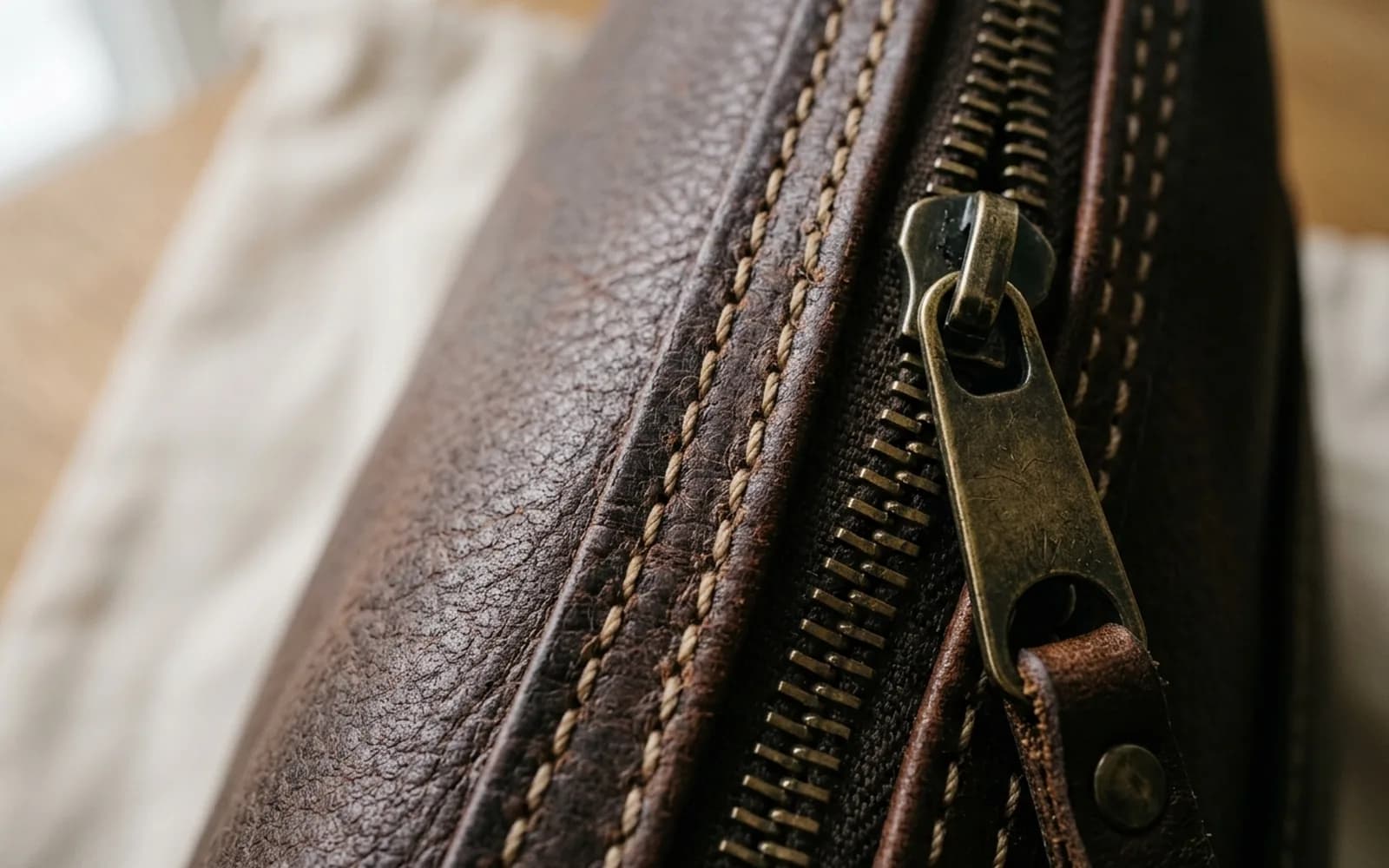
The front of the bag, straight on
The base and its corners
Inside, with the label and any code
Dust bag, cards and tags
  1. Add a sharp close-up of the date code with light from the side, and one of the heat stamp
  2. Run a quick VerifAI check for a first verdict and the key findings
  3. For an expensive bag, use Deep VerifAI: it reads up to 8 photos and gives you a full report and a certificate you can share

Was this helpful?