
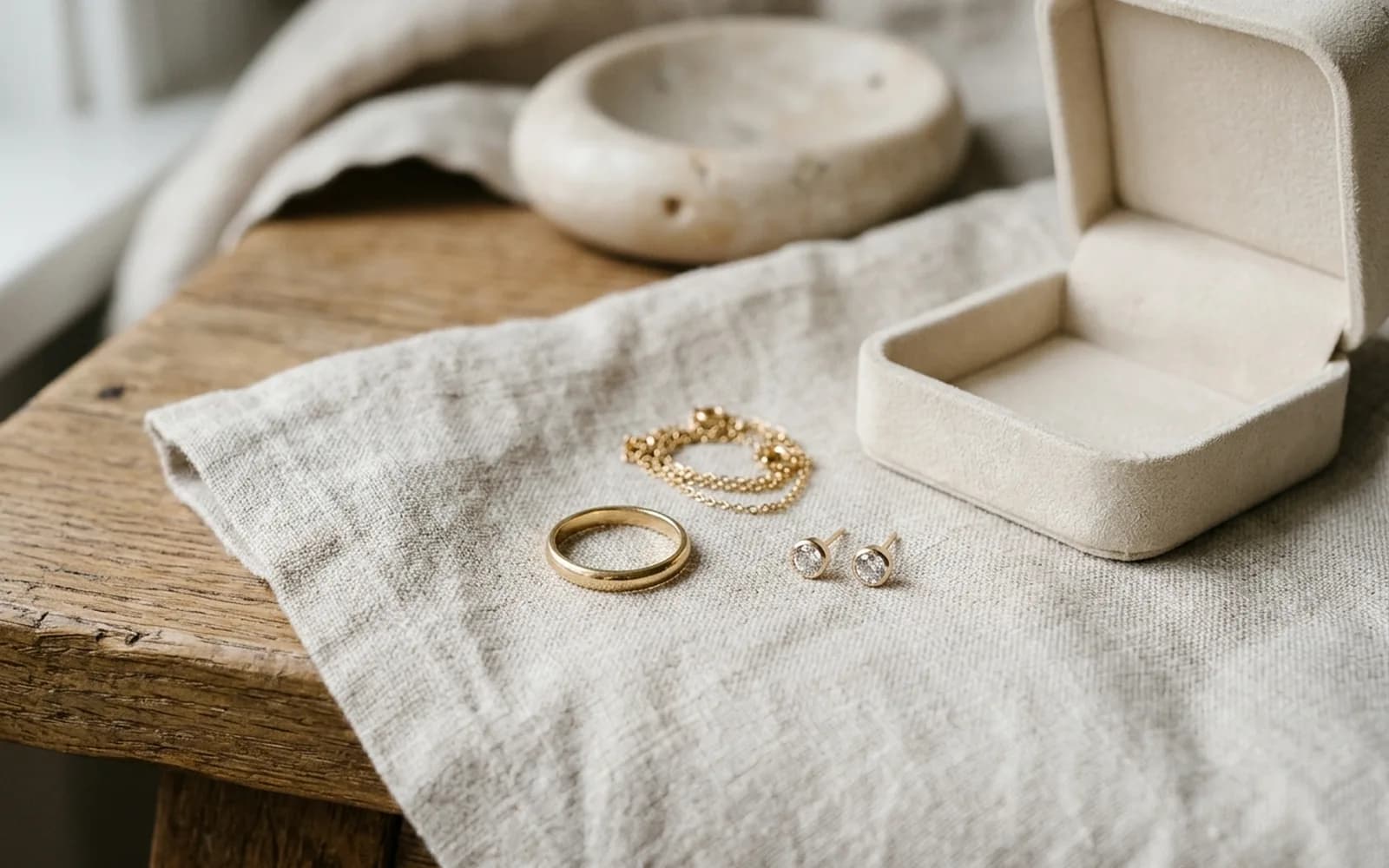
How to tell if a diamond is real

Home tests and their limits, moissanite and cubic zirconia, lab-grown or natural, settings and GIA or IGI reports: how to tell if a diamond is real.

Authentication7 min readUpdated
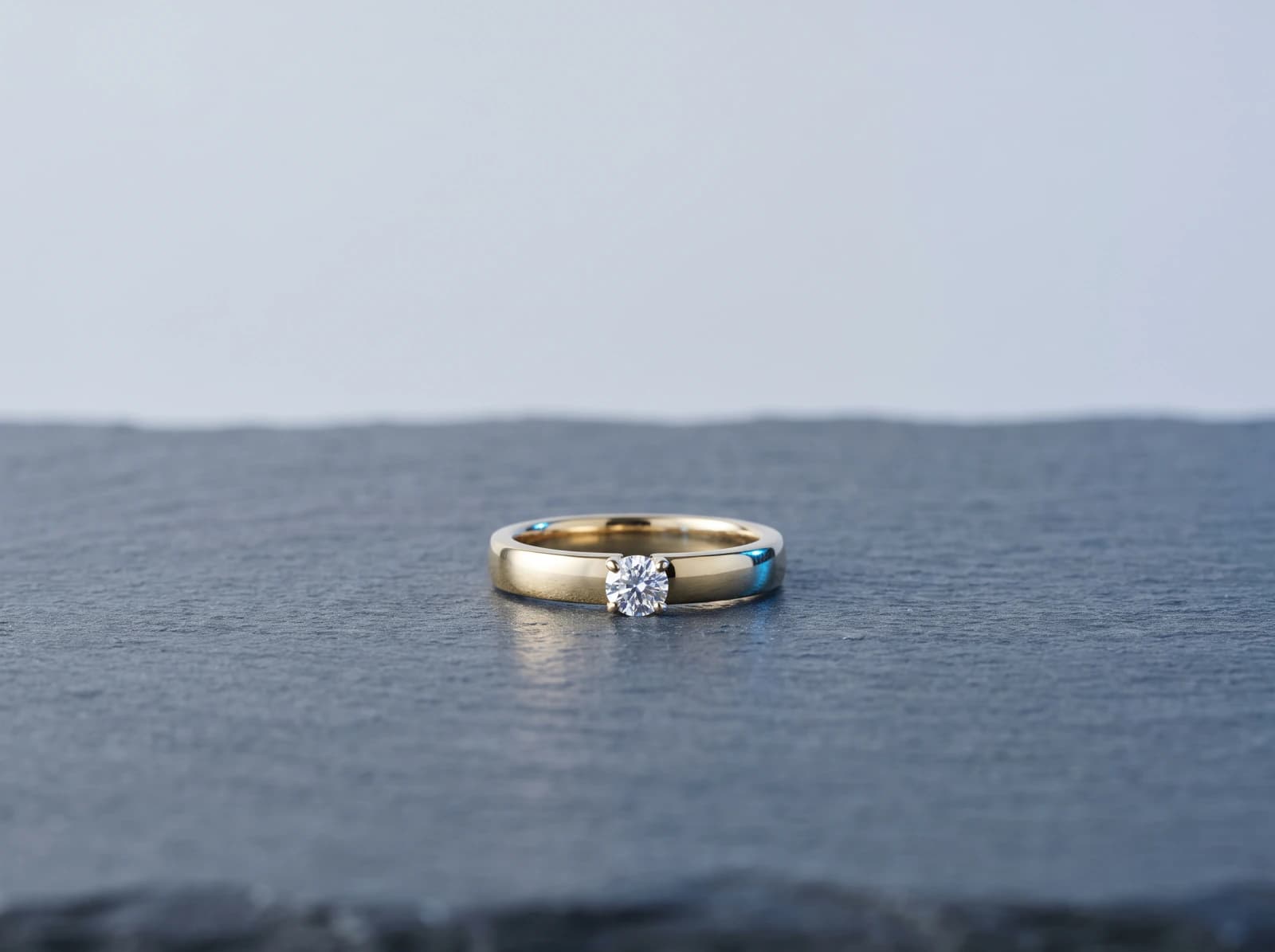
A gold ring with a single round clear stone held by four prongs, standing on dark slate against a pale grey background.
7 min left
ContentsThe short answer

The short answer

To tell if a diamond is real, start with the paperwork and the setting, look at the stone with a loupe, and then have a jeweller test it with a tester that checks electrical as well as thermal conductivity. Home tricks such as the fog test can only rule out some imitations. To know whether a diamond is natural or lab-grown, you need a gem laboratory report or laboratory equipment.

Home tests and their limits

You will find many quick tests online. They can screen out cheap imitations, but none of them proves a stone is a diamond:

  • Fog test: breathe on the stone. A diamond clears in a second or two and glass or cubic zirconia stay fogged longer, but moissanite clears just as fast, and dirt, oil and humidity change the result
  • Read-through test: a loose round stone placed face down on printed text should not let you read the letters, but the test does not work on set stones or many cuts
  • Water test: a diamond sinks, but so does cubic zirconia, so it tells you little
  • UV light: many diamonds glow blue, some glow other colours and many do not glow at all, so no glow proves nothing

Look closely with a loupe

A 10x loupe or your phone's zoom shows details that give many imitations away:
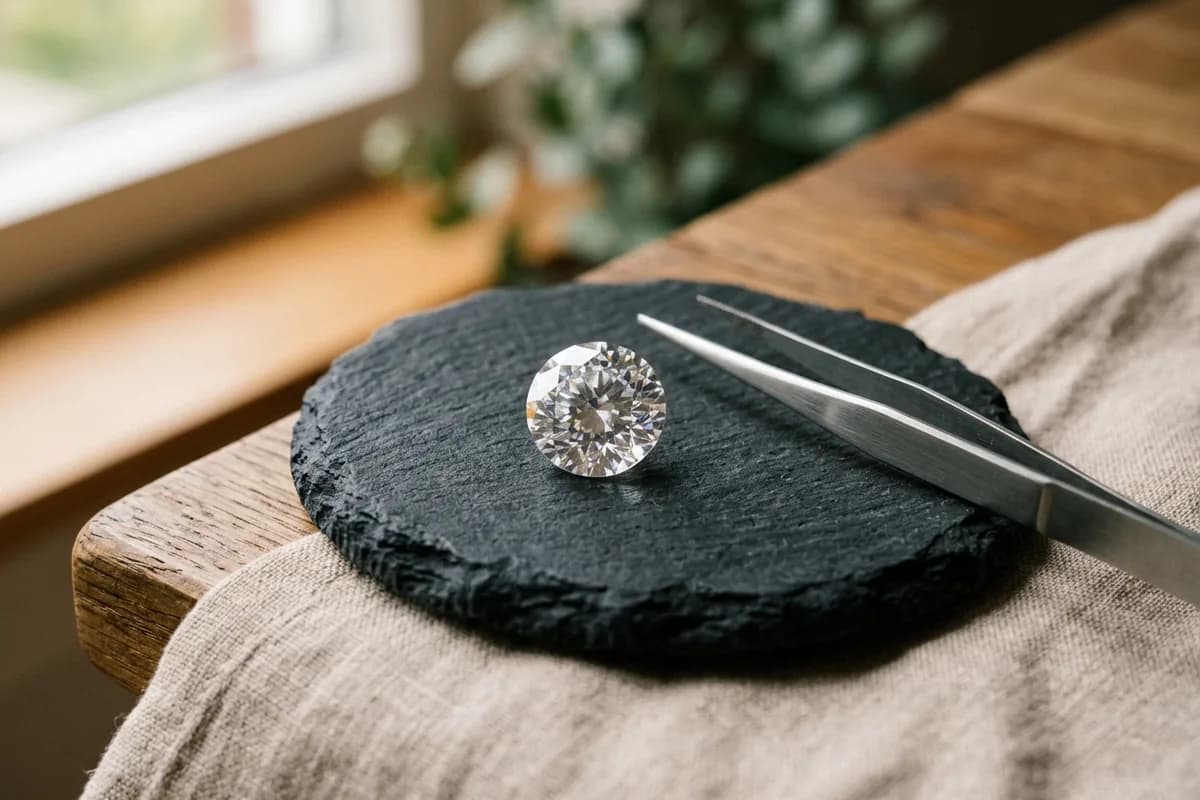
A loose round stone on a slate coaster, beside a pair of tweezers
  • Facet edges are sharp; rounded, chipped or worn edges point to a softer material such as cubic zirconia or glass
  • Looking in at a slight angle, the back facets look single, not doubled; doubled facet lines point to moissanite or another doubly refractive gem
  • There are no round gas bubbles inside, which point to glass
  • Most diamonds have tiny inclusions, while cubic zirconia is usually flawless inside, so a flawless, colourless stone at a low price deserves a closer look
  • The sparkle is lively with crisp contrast; moissanite throws stronger rainbow flashes, especially in sunlight

Moissanite and cubic zirconia

These are the two most common diamond lookalikes. Both are fine stones when sold honestly, but not when sold as diamonds.

  • Cubic zirconia is much heavier than diamond: a loose stone of the same size weighs about 1.7 times as much. It is softer, so its facets scratch and wear with time
  • Moissanite is lighter than diamond for its size, slightly softer, and shows doubled facets when you look in at an angle
  • Moissanite conducts heat almost as well as diamond, so it passes a basic thermal tester; a multi-tester that also measures electrical conductivity separates the two
  • Neither home tests nor standard testers tell a lab-grown diamond from a natural one

Lab-grown or natural?

Lab-grown diamonds are made by the HPHT or CVD process and are chemically the same as mined diamonds. They pass every home test and every standard diamond tester.

  • The seller says clearly whether the stone is natural or lab-grown; in the US, the FTC expects lab-grown diamonds to be described with a term such as laboratory-grown or laboratory-created
  • A grading report states the origin, and labs such as GIA and IGI laser-inscribe lab-grown stones they assess with a lab-grown mark and the report number
  • The price fits: lab-grown diamonds cost far less than natural ones of the same size and quality, so a natural stone at a lab-grown price is a red flag
  • Only a gem laboratory or specialised screening equipment can confirm that a diamond is natural

Check the grading report

A report from a recognised gem laboratory, such as GIA or IGI, describes the stone's shape, measurements, carat weight, colour, clarity and origin.

  • Enter the report number in the laboratory's own online lookup, such as GIA Report Check or IGI's report verification, and compare every field
  • If the report mentions a laser inscription, find the same number on the girdle, the thin outer edge of the stone, with a 10x loupe
  • The shape, measurements and weight on the report match the stone; a jeweller can measure and weigh a loose stone
  • Since October 2025, GIA describes the lab-grown diamonds it assesses as Premium or Standard instead of giving the usual colour and clarity grades

Settings and stamps

The mount can tell you a lot about the stone it holds.

  • The metal is stamped, for example 585, 750 or PT950; a 925 silver mount usually holds an imitation, although gold or platinum proves nothing on its own
  • A stamp such as CZ inside the band names the stone as cubic zirconia
  • Prongs are even and hold the stone securely, with no glue around it
  • On older pieces, a fully closed back can hide foil behind a stone that makes it look brighter, so ask whether the stone has been tested out of the setting or with a tester

Photos to take for a check

Use soft daylight, no flash, and clean the stone first so dust and fingerprints do not hide detail. These shots carry the most evidence:
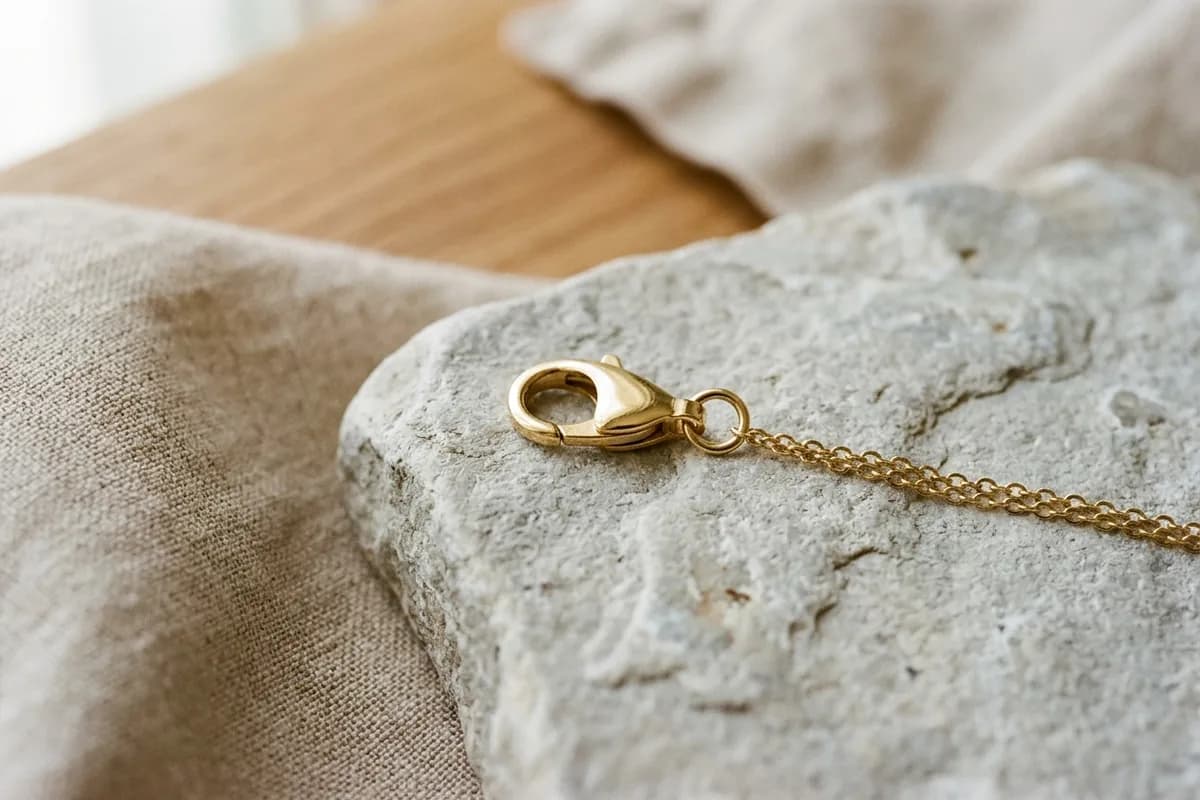
The stone face up, in sharp focus
Each piece laid out on a plain cloth
The stamps inside the band
The piece in its box, with the report
  1. Add close-ups of the girdle inscription if there is one, the prongs from the side and the grading report
  2. Run a quick VerifAI check for a first verdict and the key findings
  3. For an expensive stone, use Deep VerifAI: it reads up to 8 photos and gives you a full report and a certificate you can share
  4. Photos cannot measure how a stone conducts heat or electricity, so pair a high-value check with a jeweller's tester or a lab report

Was this helpful?