Authentication
How to check perfume and cosmetics
Wrapping, batch codes, bottles, sprayers and scent: how to spot fake perfume and make-up before it goes on your skin.
22 Oct 20264 min read
Where to find the batch code on the box and the bottle, why the two must match, what a batch code checker can and cannot tell you, and the code red flags of fake perfume.
Authentication6 min readUpdated
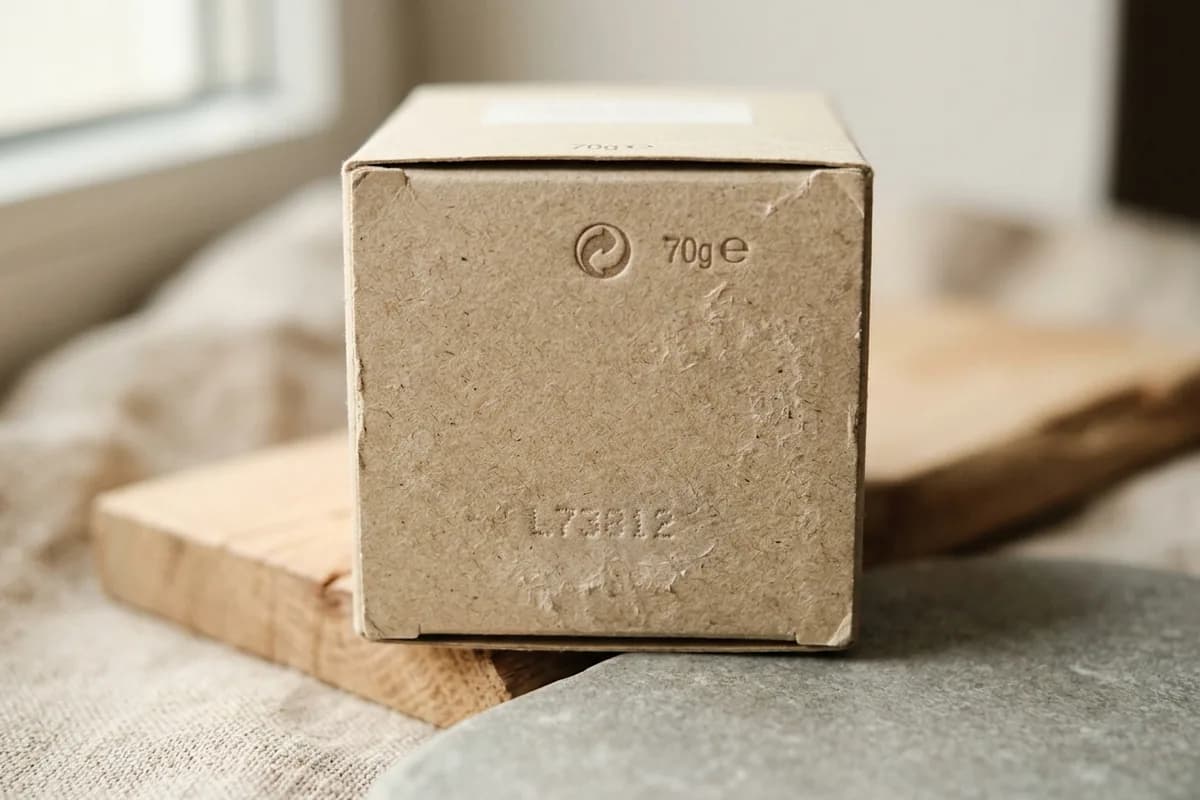
To check a perfume batch code, find the code on the bottom or back of the box and on the bottle, usually on the base or a back label, and make sure the two match exactly. A batch code identifies a production run, not one bottle, and a decoder can only estimate when it was made. Counterfeiters copy real codes, so a matching code means this detail fits; the box, bottle and sprayer still have to agree.
A batch code is a short run of letters and numbers that the maker puts on a product to trace the production run it came from. In the European Union, cosmetics, perfume included, must carry a batch number or a similar reference.
The box and the bottle are packed together at the factory, so their codes should match. This is the most useful check you can do at home.
Free online batch code checkers can turn many codes into an approximate production date, for brands whose formats are known. Use the result only to see whether the date makes sense.
Sometimes the code on the box or the bottle has been scratched off, cut out or covered. Sellers of grey-market stock, genuine perfume sold outside the brand's own shops, sometimes do this to hide where it came from, but a fake can look exactly the same.
Because codes are copied, finish with the packaging and the bottle themselves:
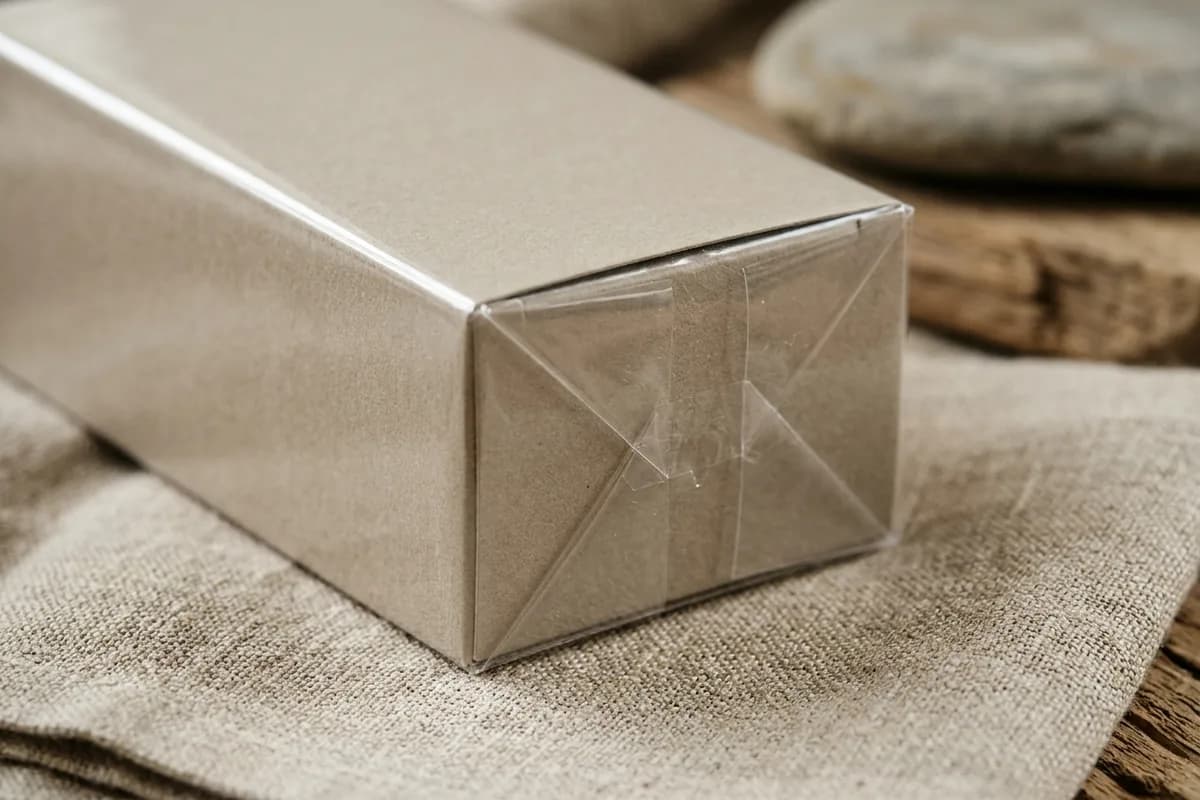
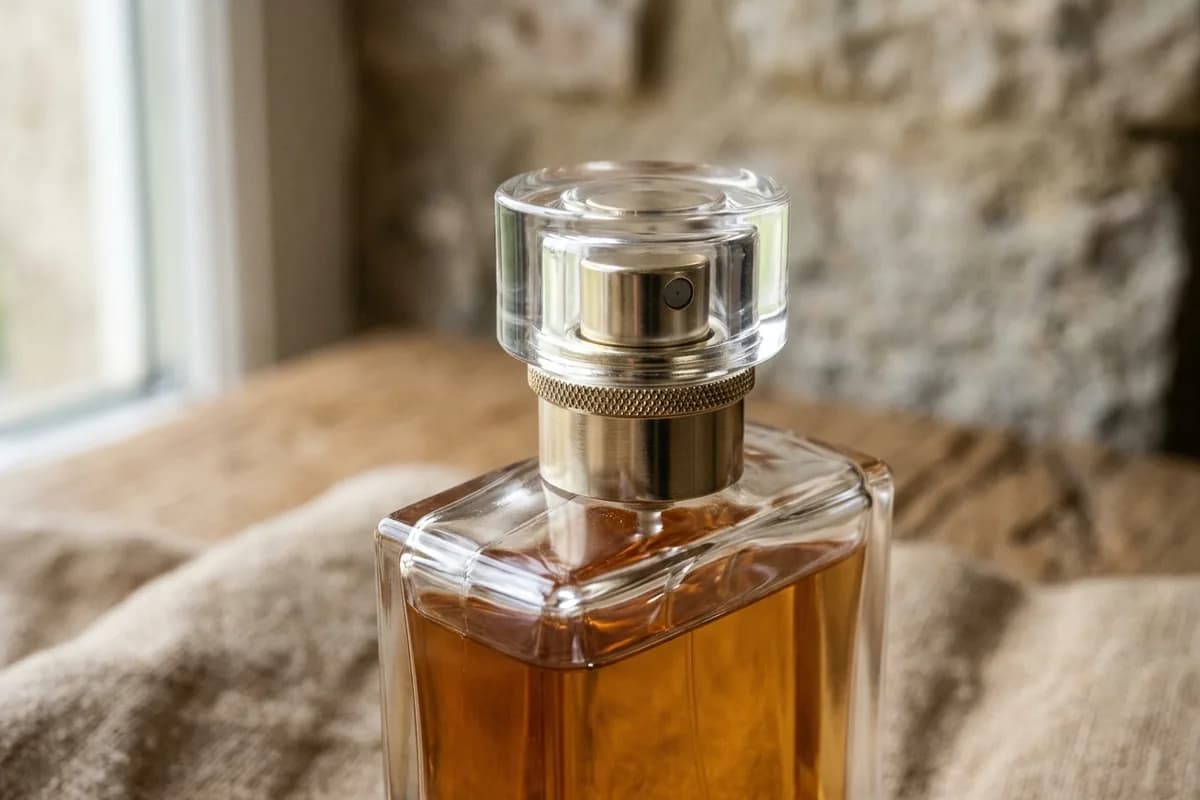
Use daylight or even indoor light and no filters. These are the shots that carry the most evidence: